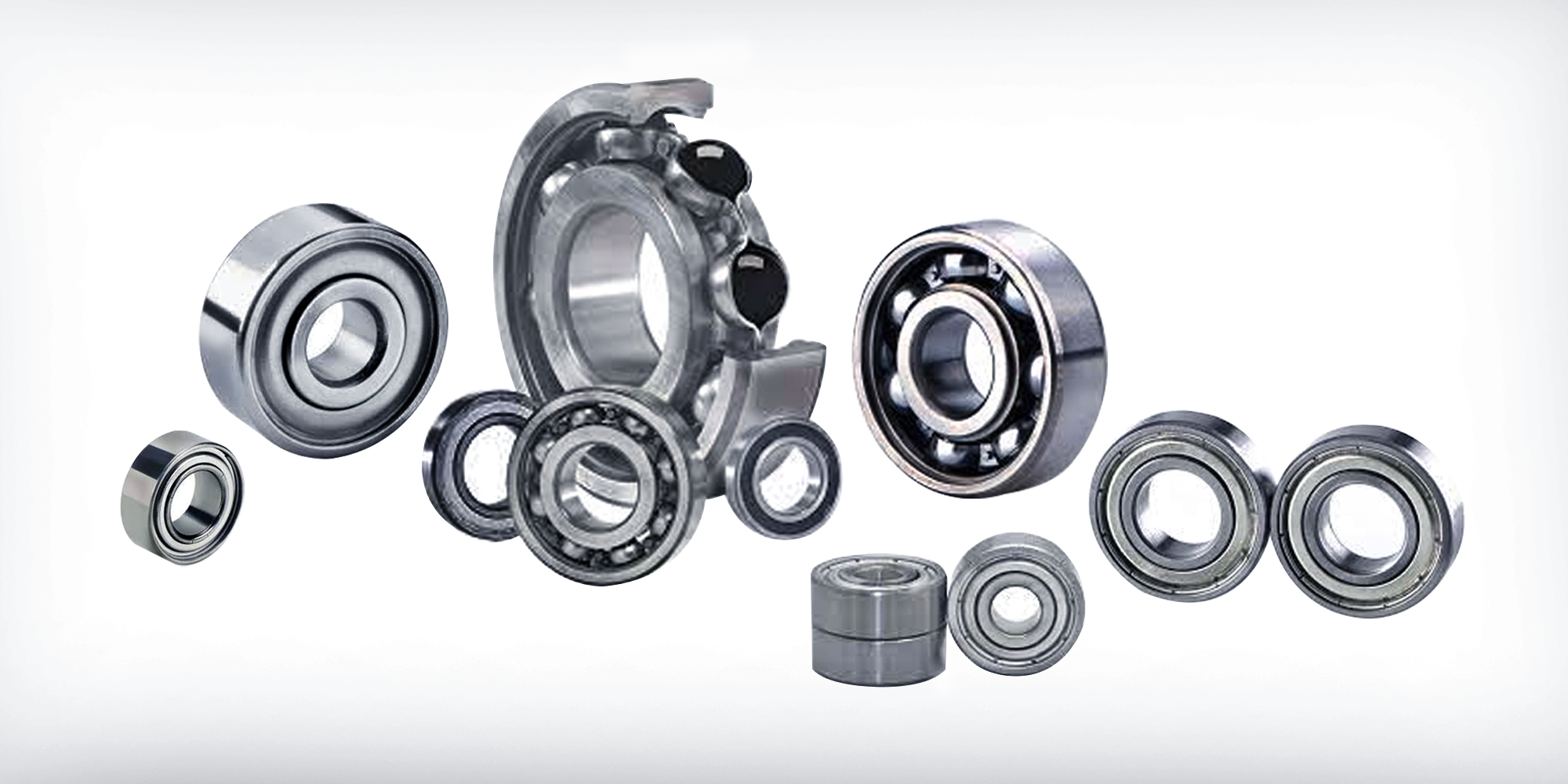


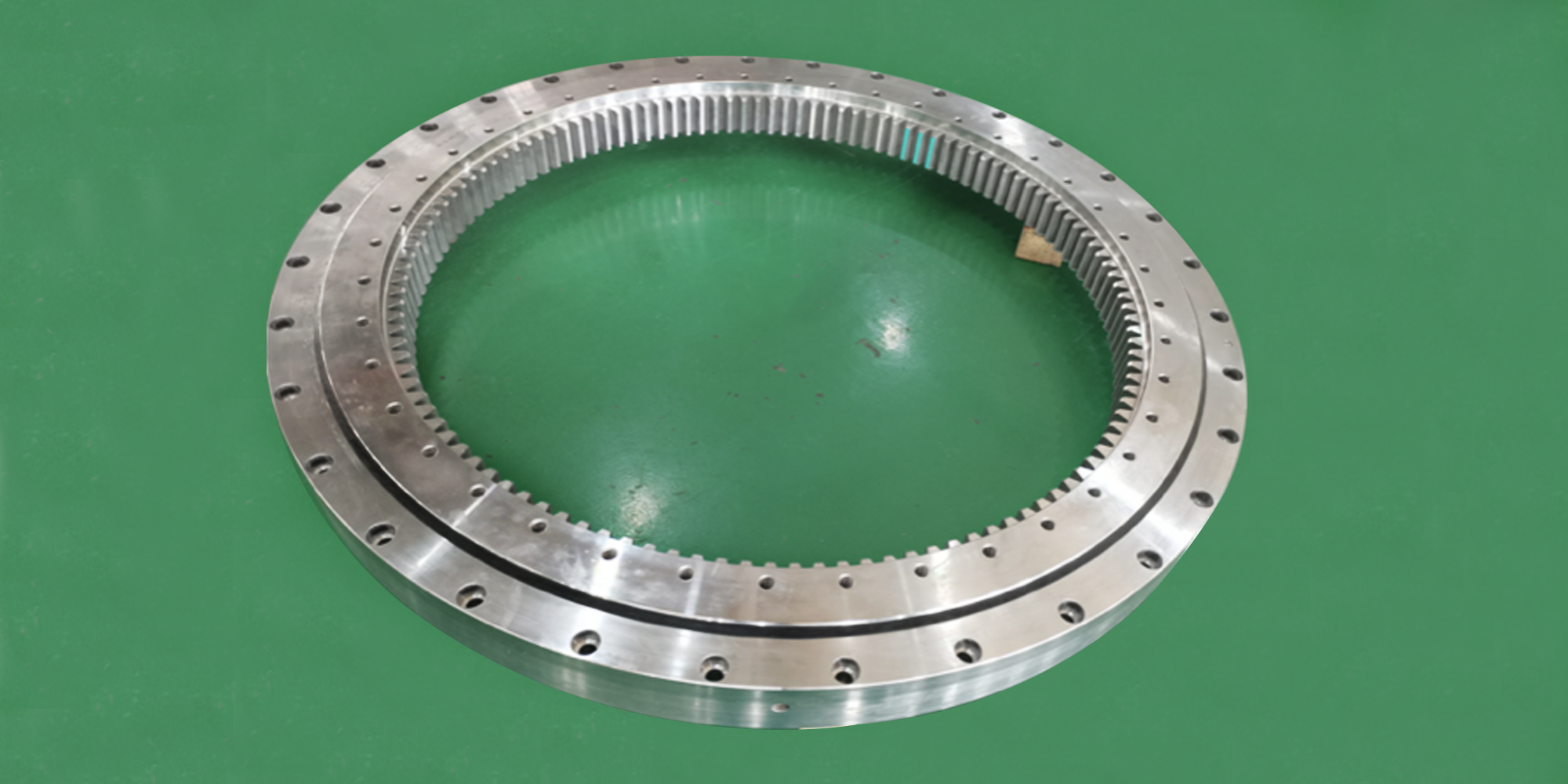
Tesla and its Gigafactory run with Lily Bearing
LILY has supplied assistance in Tesla’s create new products at the Gigafactory, a special custom slewing bearing made by Lily Bearing will soon start...
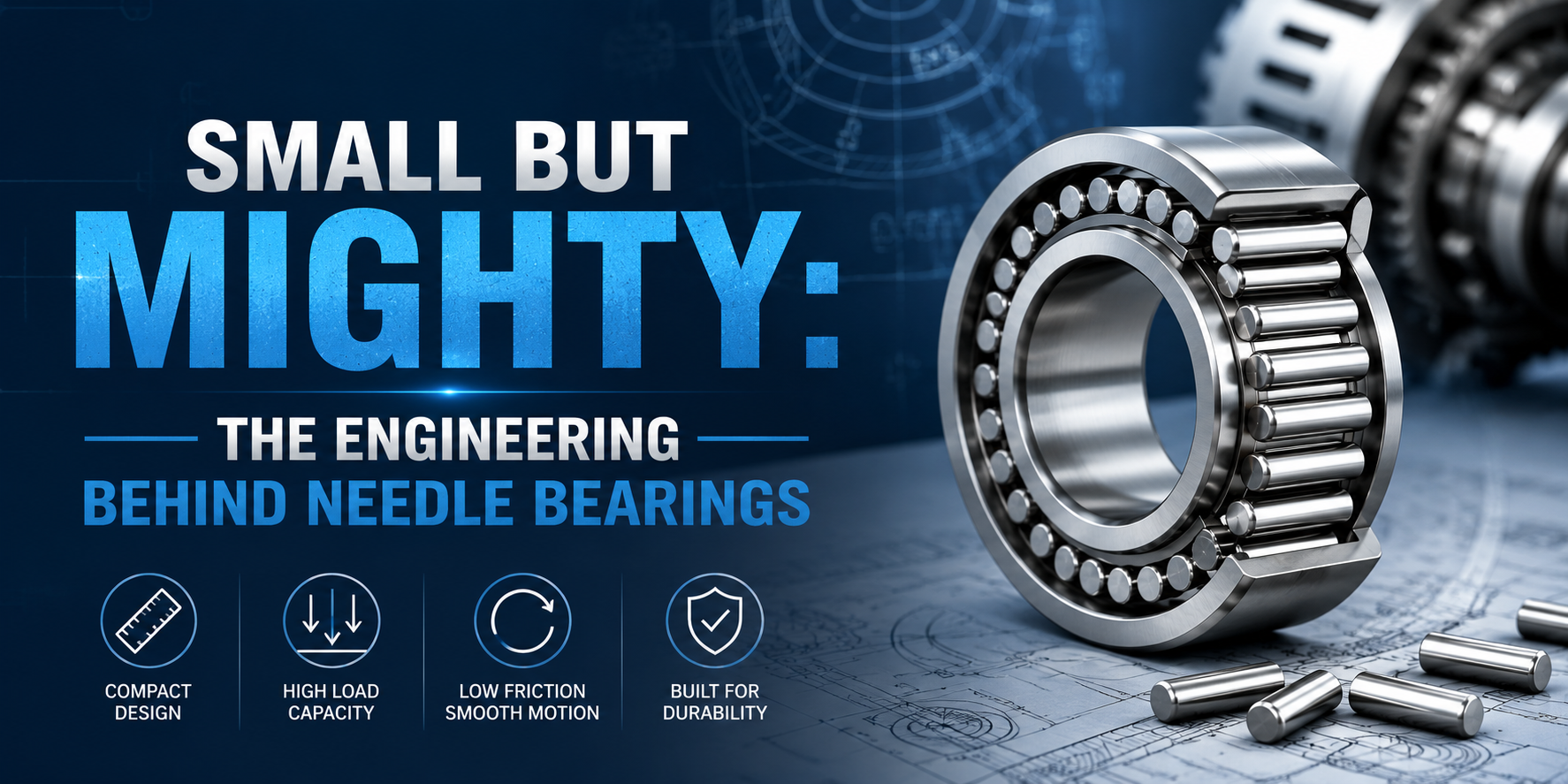
Needle bearings are a specialized type of roller bearing that use long, thin cylindrical rollers — called needles — to reduce friction between moving parts. What sets them apart is their extraordinary length-to-diameter ratio: a needle roller is typically 3 to 10 times longer than it is wide.
This geometry allows needle bearings to support surprisingly high radial loads in an exceptionally compact radial cross-section. When space is at a premium — inside a gearbox, a connecting rod, or a robotic joint — needle bearings are often the only viable solution.
|
💡 Quick Definition A needle bearing is a rolling-element bearing with needle rollers — thin, elongated cylinders — that distribute load over a large surface area while keeping the bearing's outer profile extremely slim. |
|
Parameter |
Value / Range |
|
Typical L/D ratio of needle rollers |
3 to 10× |
|
Radial cross-section vs. ball bearings |
~30% smaller |
|
Radial load capacity advantage (per cross-section) |
Up to 50% higher |
|
Maximum speed capability (precision designs) |
10,000+ RPM |
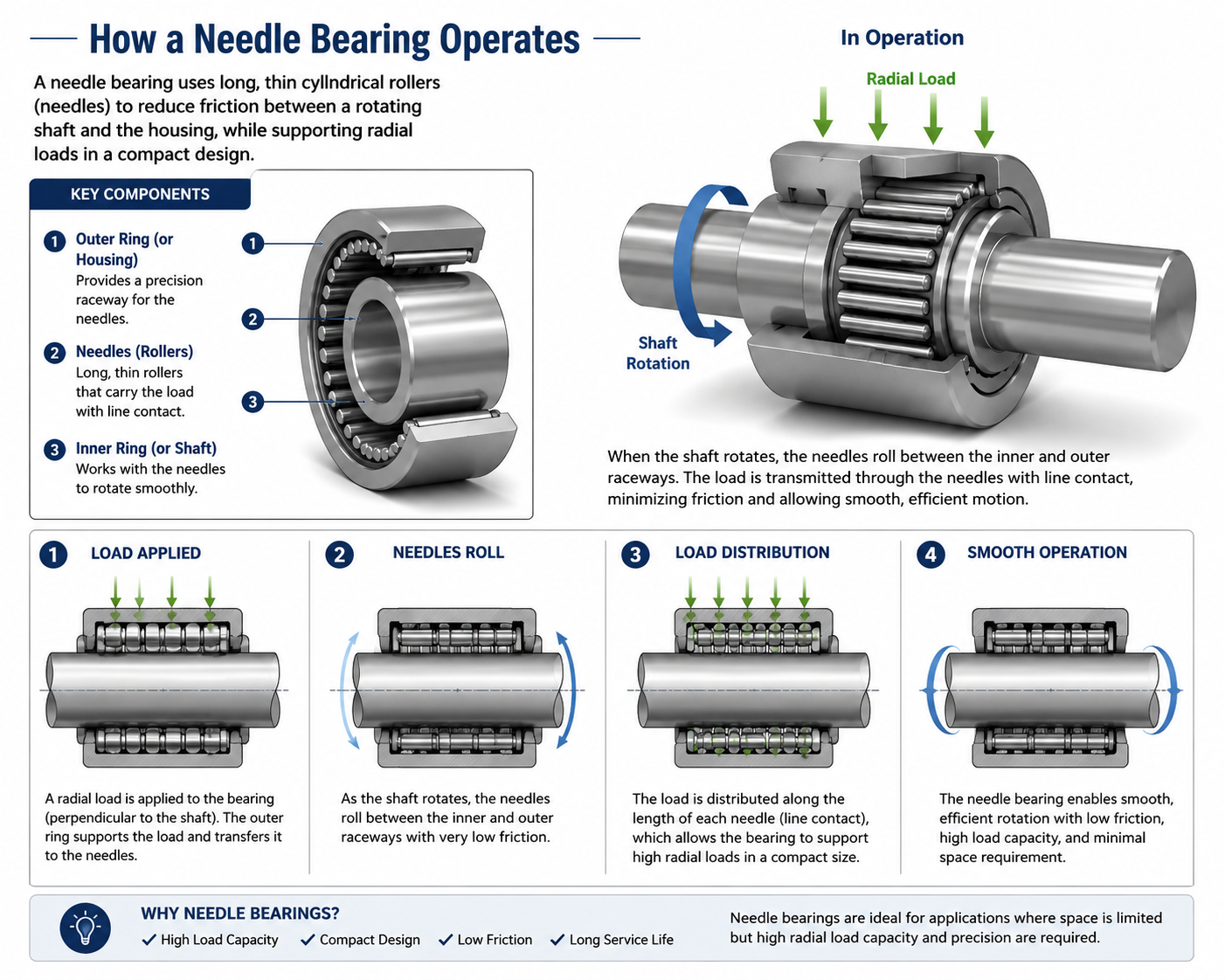
Like all rolling-element bearings, needle bearings work by replacing sliding friction with rolling friction. The needle rollers sit between an inner raceway (often the shaft itself) and an outer raceway (the housing or a separate outer ring). As the shaft rotates, the needles roll along both surfaces, transmitting load with minimal resistance.

The key engineering principle is contact area. Because each needle roller is long, it makes a line contact with the raceway rather than a point contact (as in ball bearings). This distributes the load over a much larger area, dramatically increasing the bearing's capacity to handle radial forces.
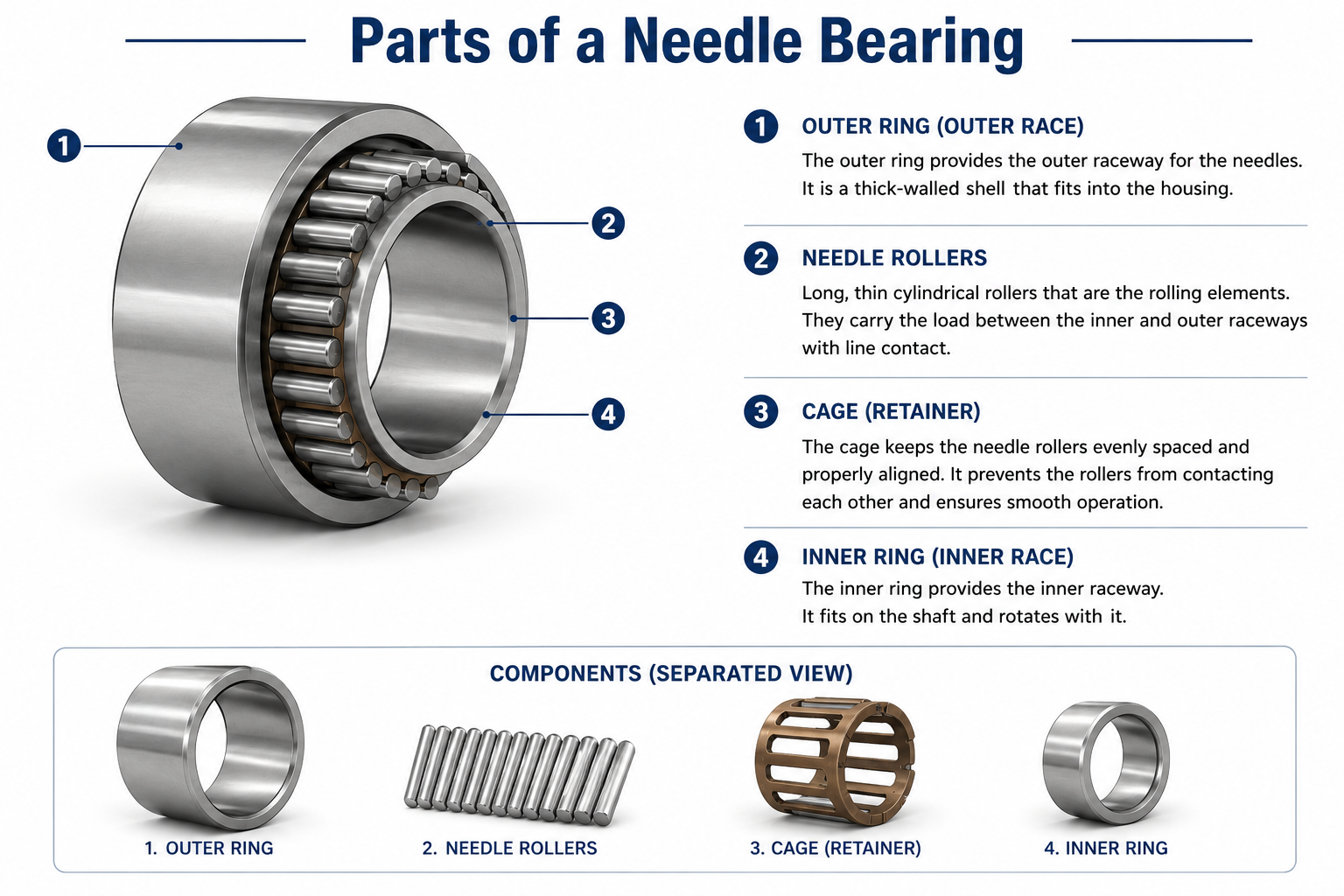
Understanding the components helps engineers make smarter selection decisions and perform effective maintenance.

The needle bearing family includes several distinct configurations, each optimized for different spatial and load requirements.
|
Type |
Description |
Best For |
Key Advantage |
|
Drawn Cup |
Thin-walled outer cup drawn from sheet steel |
Automotive transmissions, 2-stroke engines |
Ultra-low cross-section; lightweight |
|
Solid Needle Roller |
Machined inner and outer rings with precision needles |
Heavy industrial machinery |
Higher precision and load ratings |
|
Full Complement (Cageless) |
Maximum needle rollers; no cage |
Low-speed, high-load oscillating applications |
Maximum radial load capacity |
|
Needle Roller & Cage Assembly |
Cage + rollers only; no rings |
Connecting rods, planetary gearboxes |
Minimum possible cross-section |
|
Combined Needle / Thrust |
Radial needle + thrust washer or ball bearing |
Axial + radial combined loads |
Handles bi-directional load in one unit |
|
Cam Follower / Track Roller |
Needle bearing inside a stud or yoke |
Cams, linear guides, conveyor systems |
Direct cam/track interface |
Engineers frequently face the choice between needle bearings and deep groove ball bearings. Each has a distinct performance envelope — knowing the difference prevents costly over-engineering or premature failure.
|
Attribute |
Needle Bearing |
Ball Bearing |
|
Radial Load Capacity |
✔ Very High (line contact) |
Moderate (point contact) |
|
Axial Load Capacity |
Low — not suitable alone |
✔ Good for moderate axial loads |
|
Radial Cross-Section |
✔ Very thin — ideal for tight spaces |
Larger outer diameter required |
|
High Speed (RPM) |
Moderate — skewing risk at very high speeds |
✔ Better suited for very high RPM |
|
Misalignment Tolerance |
Low — requires precise alignment |
✔ Better tolerance |
|
Noise / Vibration |
Higher in full-complement designs |
✔ Generally quieter |
|
Cost |
✔ Often lower for equivalent load |
Comparable to higher |
|
Without Inner Ring Option |
✔ Yes — shaft as raceway |
✗ No |
|
💡 Engineer's Rule of Thumb Choose needle bearings when radial load is high and space is tight. Choose ball bearings when axial load, misalignment, or very high speed are primary concerns. When both apply, consider a combined needle/thrust arrangement. |
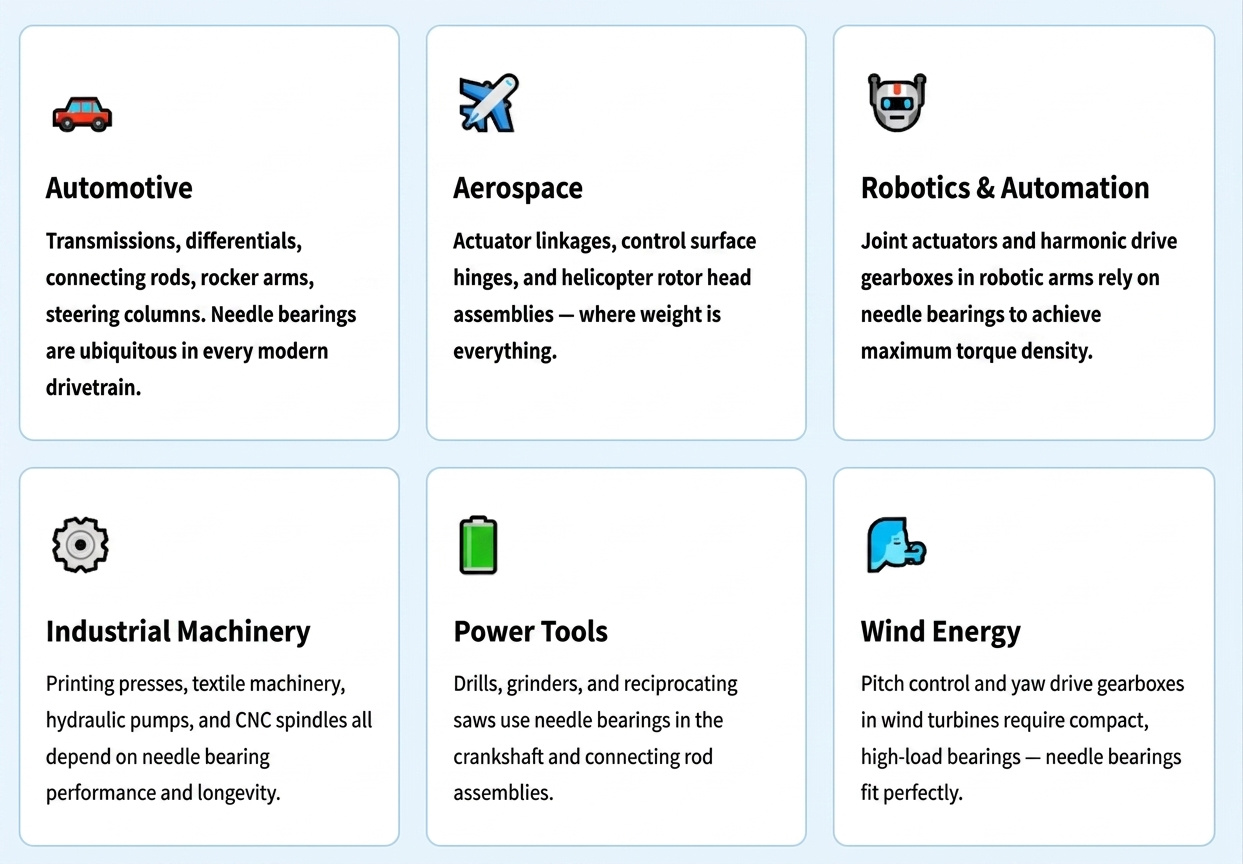
Because of their exceptional load-to-size ratio, needle bearings appear in a remarkably broad range of industries.

A modern automatic transmission can contain 20 to 40 individual needle bearings. They support planetary gear sets, clutch packs, and torque converter assemblies — all operating in tight oil-bathed cavities where no other bearing type would fit. Without needle bearings, the transmission would be significantly larger and heavier, harming both vehicle packaging and fuel economy.
Proper selection is critical to bearing life. A systematic approach ensures the bearing survives its intended application.
|
Selection Parameter |
Recommended Range / Notes |
|
Shaft Hardness (no inner ring) |
58–65 HRC; ground to Ra ≤ 0.4 µm |
|
Fit on Shaft (inner ring) |
Interference fit: k5, m5 for rotating loads |
|
Operating Temperature |
Standard: –30°C to +120°C; high-temp variants to +200°C |
|
Lubrication (grease) |
NLGI Grade 2; lithium or polyurea base for general use |
|
Lubrication (oil) |
ISO VG 68–150 for typical industrial speeds |
|
Misalignment Tolerance |
Keep to < 0.5 arc-minutes; use angular contact if higher |
Needle bearings are robust, but they're not infallible. Understanding common failure modes prevents costly downtime.
|
Failure Mode |
Root Cause |
Prevention Strategy |
|
Spalling / Pitting |
Fatigue from cyclic stress — normal or overloaded |
Don't exceed dynamic load rating; correct L10 calculation |
|
Smearing |
Insufficient lubrication at high speeds causing adhesive wear |
Maintain adequate oil film; check viscosity at operating temperature |
|
False Brinelling |
Micro-oscillations while bearing is stationary (transport vibration) |
Use anti-fretting grease; lock shafts during transport |
|
Cage Fracture |
Excessive speed, impact loads, or improper lubricant |
Respect speed limits; use correct cage material for environment |
|
Corrosion |
Moisture ingress, acid contamination, or condensation |
Use sealed designs; proper storage; corrosion-inhibiting grease |
|
Raceway Wear (shaft) |
Insufficient shaft hardness or surface finish |
Harden and grind shaft to spec; verify Ra ≤ 0.4 µm |
|
🔧 Maintenance Tip The #1 cause of premature needle bearing failure is inadequate lubrication — responsible for up to 36% of all bearing failures according to industry data. Establish a scheduled relubrication program based on bearing speed, load, and operating temperature. |
Standard needle bearings are designed for radial loads only and have very limited axial load capacity. For combined radial and axial loads, use a combined needle/thrust bearing or pair the needle bearing with a separate thrust washer or angular contact bearing.
Not necessarily. In many designs, the shaft itself serves as the inner raceway, which further reduces the radial cross-section. However, the shaft must be hardened (58–65 HRC) and ground to tight tolerances. If the shaft cannot meet these requirements, an inner ring is essential.
A caged bearing has a retainer that spaces the rollers apart, allowing higher speeds and better lubrication flow. A full-complement bearing has no cage — more rollers fill the space, giving higher load capacity but lower speed limits and increased lubrication sensitivity.
L10 (in millions of revolutions) = (Cr / P)³ × 10⁶, where Cr is the dynamic load rating (from the manufacturer's catalog) and P is the equivalent dynamic bearing load. For hours of life, divide by 60 × RPM. Always add an application factor (a₁, a₂, a₃) for reliability, lubrication quality, and contamination conditions.
Rings and rollers are typically made from through-hardened 52100 bearing steel or case-hardened 16MnCr5. Cages are stamped steel, machined brass, or engineering plastic (PA66, PEEK) depending on speed and temperature requirements. Stainless steel (AISI 440C) versions are available for corrosive environments.
Yes — full-complement needle bearings are particularly well suited for oscillating or rocking motion at low speeds, such as in connecting rods and suspension joints. Caged designs work well too if the oscillation angle is sufficient to form an adequate lubricant film.
|
Engineering That Punches Above Its Weight Needle bearings are a triumph of engineering efficiency — delivering maximum load capacity in minimum space. Whether you're designing a next-generation EV drivetrain, a surgical robot, or an industrial press, there is likely a needle bearing configuration perfectly suited to your challenge. Need help selecting the right needle bearing for your application? Our engineering team is ready to assist with load calculations, dimensional checks, and lifecycle estimates. |
LILY has supplied assistance in Tesla’s create new products at the Gigafactory, a special custom slewing bearing made by Lily Bearing will soon start...
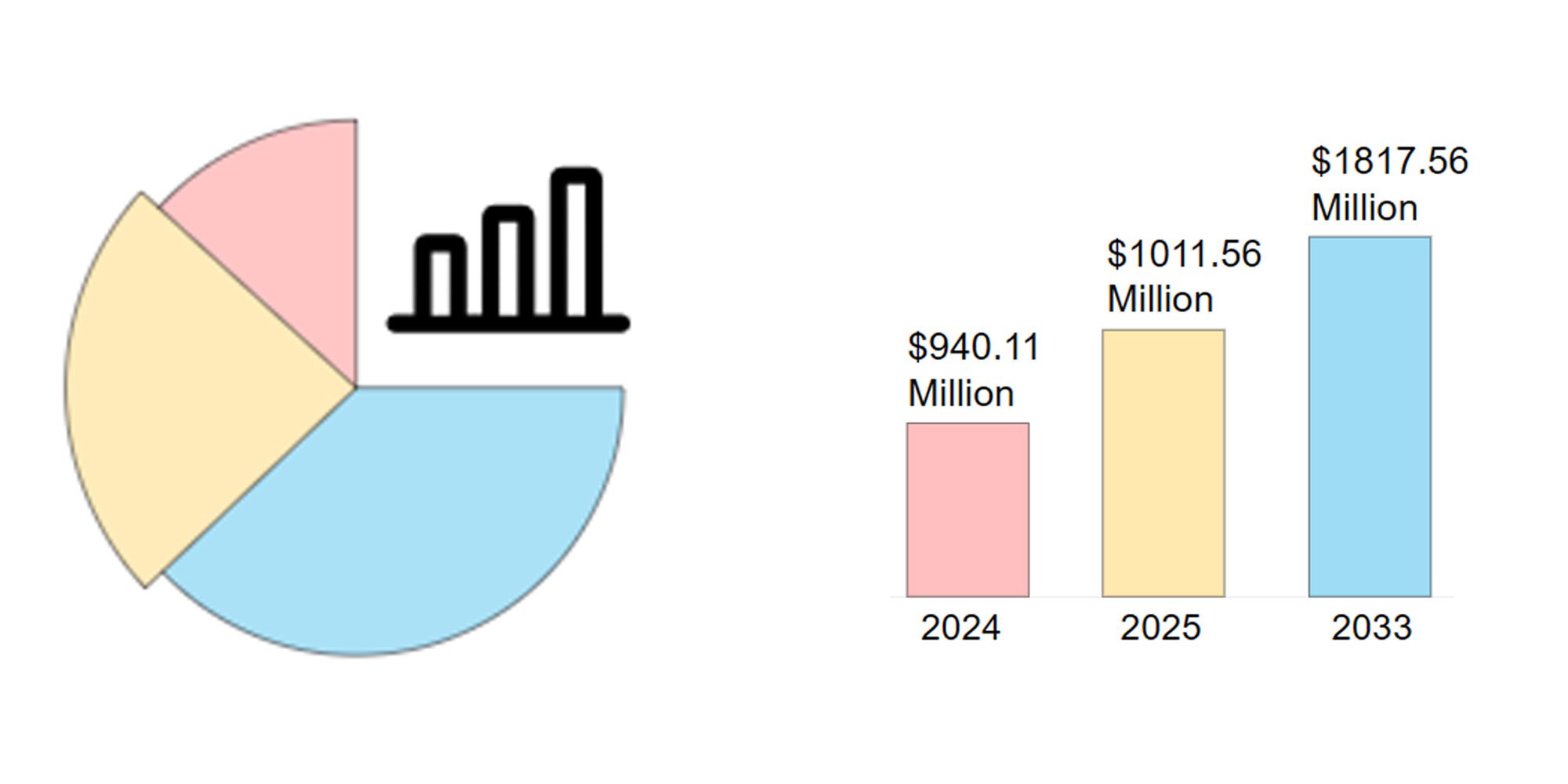
The global Needle Roller Bearing Market was valued at USD 3.2 billion in 2024. Projections show a strong CAGR of 5.1% from 2026 to 2033, with the...
Compared with ordinary bearings, stainless steel bearings have stronger rust and corrosion resistance. They not only have obvious advantages in...