


Home/
Blog/
Miniature Bearings for Dental Turbines: Materials, Mechanics & Maintenance Guide

8 min read

Miniature Bearings for Dental Turbines: Materials, Mechanics & Maintenance Guide

Miniature Bearings for Dental Turbines: Materials, Mechanics & Maintenance Guide
17:23

The Tiny Component That Runs Your Dental Practice

When a dentist presses the foot pedal and a high-speed dental turbine roars to life—spinning at up to 400,000 RPM—most people never think about what makes that possible. The answer lies in a precision engineering marvel that fits in the palm of your hand: the miniature dental bearing.

Dental turbine bearings are among the most demanding mechanical components in clinical use today. They must endure extreme rotational speeds, thermal cycling from repeated sterilization, aggressive chemical environments, and the constant demand for near-perfect concentricity to ensure cutting accuracy.

This blog dives deep into the materials science, mechanical design principles, performance characteristics, and maintenance protocols surrounding miniature bearings for dental turbines. Whether you are a dental professional, clinic manager, or procurement specialist, this guide gives you the technical foundation to make smarter, longer-lasting choices.

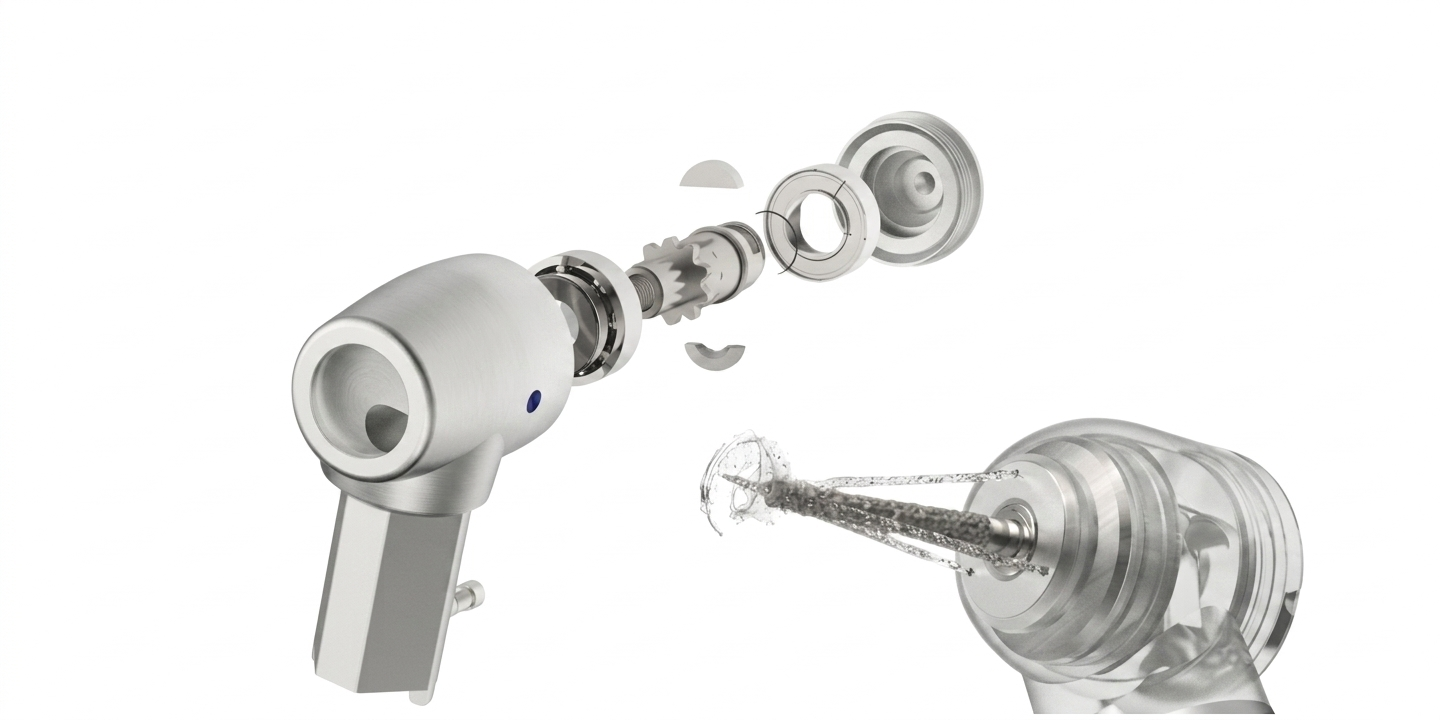
Dental Handpiece Cross-Section


Understanding Dental Turbine Bearings: The Basics


What Is a Dental Turbine Bearing?

A dental turbine bearing is a miniature precision ball bearing—typically ranging from 3 mm to 10 mm in outer diameter—housed inside the head of an air-driven or electric dental handpiece. Its primary function is to support the rotating spindle and the attached bur while minimizing friction and maintaining concentricity during high-speed operation.

Most modern dental handpieces use a cartridge system containing two or more angular-contact ball bearings arranged in a specific configuration. These bearings share the radial and axial loads generated during cutting procedures.


Key Engineering Requirements

Dental bearings operate under conditions that push the limits of conventional bearing technology:

  • Rotational speed: 200,000 to 450,000 RPM depending on the handpiece type

  • Temperature range: 25°C during normal use; up to 135°C during autoclave sterilization

  • Lubrication constraints: minimal oil due to contamination risk in the oral cavity

  • Size limitations: outer diameter must fit within the handpiece head (typically under 8 mm)

  • Contamination resistance: debris, water spray, and bodily fluids must not compromise bearing function

  • Sterilization compatibility: must withstand 134°C steam sterilization in Class B autoclaves

Key Insight: The operational speed of a dental turbine bearing is 5 to 10 times faster than bearings found in most industrial electric motors—making material selection absolutely critical.


Materials Science: What Dental Bearings Are Made Of

The performance, longevity, and sterilizability of a dental bearing are determined largely by the materials used for the balls, rings (races), cage, and lubricant. Let us examine each in detail.


Bearing Ball Materials


AISI 52100 High-Carbon Chromium Steel

This is the traditional go-to material for bearing balls in industrial applications. It offers excellent hardness (up to HRC 65), fatigue strength, and dimensional stability. However, its susceptibility to rust from steam sterilization makes it unsuitable for long-term clinical use without special surface treatment.


440C Stainless Steel

A martensitic stainless steel with good corrosion resistance and hardness in the HRC 56–60 range. It is widely used in medical-grade bearings because it can withstand repeated steam sterilization cycles. Its lower hardness versus 52100 steel can reduce load-bearing capacity at very high speeds.


Silicon Nitride (Si3N4) — The Gold Standard

Silicon nitride ceramic is the material of choice in premium dental turbine bearings. With hardness around HV 1,500, extremely low density (3.2 g/cm³ versus 7.8 g/cm³ for steel), thermal stability up to 800°C, and inherent corrosion resistance, it outperforms steel in virtually every category relevant to dental use.
The lower mass of ceramic balls means less centrifugal force at high speeds, reducing stress on the races. Ceramic surfaces are also smoother at the microscopic level, reducing friction and heat generation—a significant advantage in a near-dry lubrication environment.


Zirconia (ZrO2)

Zirconia-based ceramics offer excellent biocompatibility and good mechanical strength. They are sometimes used in applications where the bearing may come into indirect contact with biological tissues.


Race (Ring) Materials

Bearing races in dental instruments are most commonly manufactured from 440C stainless steel or titanium alloys. Titanium races offer an excellent strength-to-weight ratio and outstanding biocompatibility, though they are more expensive and harder to machine to tight tolerances.


Cage Materials

The cage keeps balls evenly spaced and prevents direct ball-to-ball contact. Materials include:

  • Phenolic resin: lightweight, low-friction, standard in many handpieces

  • PTFE (Polytetrafluoroethylene): excellent chemical resistance, self-lubricating

  • Stainless steel: more durable but adds weight, used in heavy-duty configurations

  • PEEK (Polyether ether ketone): emerging material with excellent heat and chemical resistance


Materials Comparison Table

Material

Hardness (HRC)

Max Temp (°C)

Corrosion Resistance

Typical Application

AISI 52100 Steel

60–65

120

Low (requires coating)

Standard handpieces

440C Stainless Steel

56–60

150

High

Sterilizable instruments

Silicon Nitride (Si₃N₄)

78–80

800

Excellent

High-speed turbines

Zirconia (ZrO₂)

70–75

600

Excellent

Biocompatible designs

Hybrid (Steel + Ceramic)

62–70

400

Good–High

Balance of cost & perf.


Surface Finish Comparison


Bearing Mechanics: How Dental Turbine Bearings Work


Load Types and Distribution

Dental turbine bearings are subjected to two primary types of mechanical loads:
Radial loads: Forces perpendicular to the axis of rotation, generated by cutting pressure applied through the bur against tooth structure.

Axial (thrust) loads: Forces parallel to the rotational axis, caused by pressing the handpiece downward or by uneven bur contact.

Most dental handpiece cartridges use angular contact ball bearings, specially designed to handle combined radial and axial loads simultaneously. These bearings have races machined at a specific contact angle—typically 15 to 25 degrees—that determines the load distribution.


Preload and Bearing Stiffness

Preload refers to a small, intentional axial force applied to the bearing assembly during installation. In dental handpieces, controlled preload is critical for:

  • Eliminating internal clearance (play) that could cause vibration or chatter

  • Improving rotational accuracy and concentricity of the bur

  • Reducing noise during high-speed operation

  • Increasing overall bearing stiffness under cutting loads

However, excessive preload dramatically increases heat generation and accelerates wear. Manufacturers spend considerable engineering effort optimizing preload levels for each specific bearing design.


Speed Parameters: DN Value

Engineers use the DN value (bearing bore diameter in mm multiplied by rotational speed in RPM) to characterize how demanding a bearing application is. A dental turbine bearing with a 3.2 mm bore running at 350,000 RPM has a DN value of approximately 1,120,000—well into the range demanding premium materials and lubrication.

For context: Industrial spindle bearings in CNC machining centers typically operate at DN values of 500,000 to 800,000. Dental bearings significantly exceed these demands.


Performance Specifications Comparison

Bearing Type

Max Speed (RPM)

Vibration Level

Service Life

Full Steel Ball Bearing

300,000–350,000

Moderate–High

200–400 hours

Full Ceramic Ball Bearing

400,000–450,000

Low

400–800 hours

Hybrid Bearing

350,000–420,000

Low–Moderate

350–600 hours

Angular Contact Bearing

320,000–380,000

Low

300–500 hours


Angular Contact Bearing


Lubrication in Dental Bearings: A Critical Factor


The Challenge of Dental Lubrication

Dental handpiece bearings must operate with minimal lubricant to prevent contamination of the oral cavity. Most handpieces use a very light film of turbine oil applied through the internal air channels—making lubrication choice and protocol critically important.


Types of Lubricants


ISO VG 10 Turbine Oil

The industry standard for air-driven dental handpieces. Extremely low viscosity ensures it can be carried by the air stream to the bearing surfaces without causing excessive drag or contamination.


Synthetic Ester-Based Oils

Used in premium handpieces for excellent oxidation stability, wide temperature range, and superior film strength. Synthetic oils also have better compatibility with elastomeric seals used in modern cartridges.


PTFE-Based Dry Lubricants

Some advanced bearing designs incorporate PTFE-coated balls or PTFE cage materials that provide inherent lubrication without liquid oils—particularly valuable where any oil contamination is unacceptable.


Effect of Sterilization on Lubrication

Every autoclave cycle washes away some lubricant film from bearing surfaces. This is why re-lubrication before sterilization is a standard protocol in ISO 15883 and manufacturer guidelines. Unlubricated bearings can fail in as little as 20% of their expected service life.

Best Practice: Always lubricate your handpiece with manufacturer-recommended oil BEFORE placing it in the autoclave. This ensures a fresh oil film protects the bearing during and after the sterilization cycle.


Failure Modes: Why Dental Bearings Fail

Understanding failure modes helps clinicians and clinic managers implement better preventive maintenance protocols and make more informed purchasing decisions.


Fatigue Spalling

The most common failure mode, caused by cyclic Hertzian contact stress between balls and races. Microscopic cracks form below the contact surface and propagate until surface material breaks away, creating pits (spalls).


Corrosion and Chemical Attack

Repeated steam sterilization cycles can cause oxidation on steel bearing components if lubrication is insufficient. Chemical contamination from dental materials—phosphoric acid etching agents, bleaching compounds, irrigants—can also accelerate corrosion.


Abrasive Wear from Contamination

Dental debris, particulate from tooth structure, or improperly filtered compressed air can introduce hard particles into the bearing zone. Even particles just a few microns in size can cause significant three-body abrasive wear.


Thermal Degradation

Inadequate lubrication causes increased friction, leading to temperature spikes that degrade cage materials, vaporize lubricant, and cause dimensional changes in bearing rings.


Overloading (Brinelling)

Excessive lateral force on the bur creates point loading conditions that exceed bearing design parameters, compressing balls beyond their elastic limit and causing plastic deformation (brinelling) of the raceways.

Dental Bearing Failure Modes


Maintenance Protocol: Maximizing Bearing Life

A rigorous, standardized maintenance protocol is the most cost-effective investment a dental practice can make in instrument longevity. The following schedule is based on ISO 15883, manufacturer guidelines, and clinical best practices.

Frequency

Action

Tools Required

Expected Outcome

After each use

Lubricate with handpiece oil

ISO-approved oil spray

Reduce friction & heat

Weekly

External cleaning + inspection

Soft cloth, magnifier

Detect early wear signs

Monthly

Autoclave sterilization cycle

Class B autoclave

Infection control compliance

Every 200 hours

Full bearing inspection

Torque gauge, micrometer

Assess bearing wear

Every 400–600 hours

Bearing replacement

Dental bearing kit

Restore optimal performance


Step-by-Step Lubrication Protocol

  • Wipe the handpiece exterior with a dry cloth to remove visible debris.

  • Insert the lubrication spray nozzle into the drive air inlet at the handpiece base.

  • Apply one to two one-second bursts of handpiece oil while the turbine is free to spin.

  • Run the handpiece for 10–15 seconds over a tissue to expel excess oil.

  • Bag the handpiece and proceed with sterilization while the oil film is still present.


Selecting the Right Dental Bearing: Buyer's Guide

Whether sourcing bearings as a dental equipment repair technician, OEM manufacturer, or clinic supply manager, these are the key specifications to evaluate when comparing products.


Critical Specifications Checklist

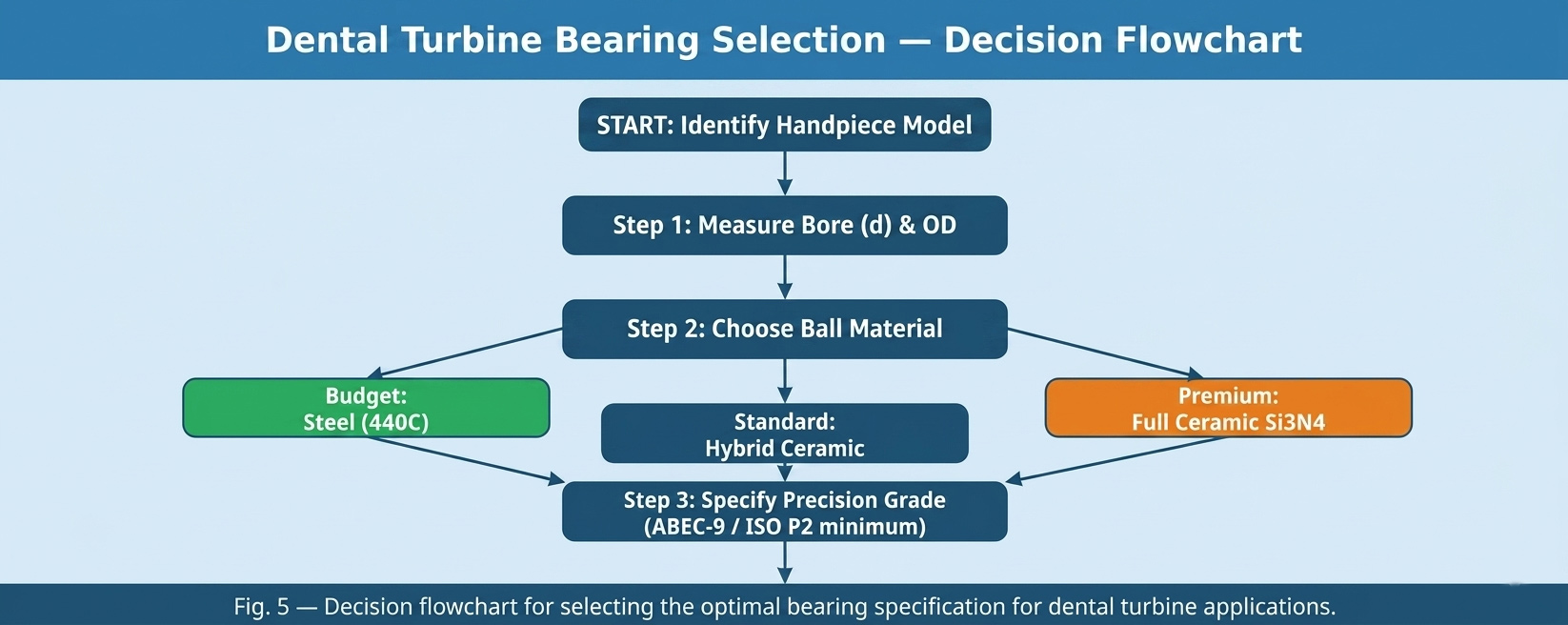
  • Bore diameter (d): Must match the spindle shaft of the specific handpiece model

  • Outer diameter (D) and width (B): Must fit the cartridge housing dimensions

  • Contact angle: 15° for speed-optimized; 25° for thrust-load capacity

  • Ball material: Ceramic (Si3N4) preferred for longevity; steel for cost-sensitive applications

  • Cage material: PEEK or phenolic for dental applications

  • Precision grade: ABEC-9 or ISO P2 minimum; ABEC-7 not recommended for dental use

  • Sterilization rating: Must specify compatibility with 134°C/3-bar steam autoclave

  • Radial clearance: C2 or dental clearance group (tighter than standard C0)


OEM vs. Aftermarket Bearings

OEM bearings guarantee compatibility and are designed to the exact specifications of the handpiece. Quality aftermarket bearings from reputable precision bearing manufacturers can offer equivalent performance at 30–50% lower cost—provided they come from certified suppliers with material certifications and dimensional inspection reports.

Pro Tip: Always request a Certificate of Conformance (CoC) and material test report when purchasing aftermarket dental bearings. Any reputable manufacturer should provide these documents without hesitation.

Dental Turbine Bearing Selection


The Future of Dental Bearings: Emerging Trends


Full Ceramic Bearing Systems

All-ceramic bearings—with both balls and races manufactured from advanced ceramics—are gaining traction in applications requiring electrical isolation, absolute corrosion resistance, or MRI compatibility. Their adoption in dental turbines is expected to grow as manufacturing costs decline.


Nano-Lubrication Technologies

Research into nano-particle additives for turbine oils—such as graphene oxide, molybdenum disulfide nanoparticles, and diamond nanoparticles—shows promising results in reducing friction and extending lubrication film life, potentially reducing bearing temperature by 8–15°C under high-speed conditions.


Sensor-Integrated Smart Bearings

Several research groups are developing miniaturized piezoelectric sensors that can be embedded within the bearing assembly to monitor vibration frequency, temperature, and early fatigue signatures in real time—enabling predictive maintenance alerts before catastrophic failure occurs.


Additive Manufacturing for Custom Bearing Cages

3D printing of bearing cage components using high-performance polymers like PEEK is now technically feasible at the microscale, opening the possibility of procedure-specific bearing configurations optimized for different clinical demands.


Conclusion: Small Parts, Big Impact

Miniature bearings for dental turbines represent a fascinating intersection of precision engineering, materials science, and clinical medicine. These small components—often no larger than a shirt button—carry the extraordinary burden of enabling safe, accurate dental treatment millions of times a day around the world.

The difference between a bearing that lasts 200 hours and one that lasts 800 hours comes down to informed material selection, proper lubrication practices, and adherence to a structured maintenance protocol. For dental practices, investing in quality bearings translates directly to reduced handpiece replacement costs, better patient outcomes, and fewer clinical interruptions.

Whether you are a clinician selecting your next handpiece cartridge, a biomedical engineer specifying components for a new dental device, or a bearing supplier targeting the dental OEM market, understanding the materials and mechanics of dental turbine bearings is the foundation of smarter, longer-lasting decisions.

If you are looking for certified precision dental bearings—including ceramic, hybrid, and stainless steel options—our team of bearing specialists is ready to help you find the right specification for your application. Contact us today for technical consultation and competitive pricing.

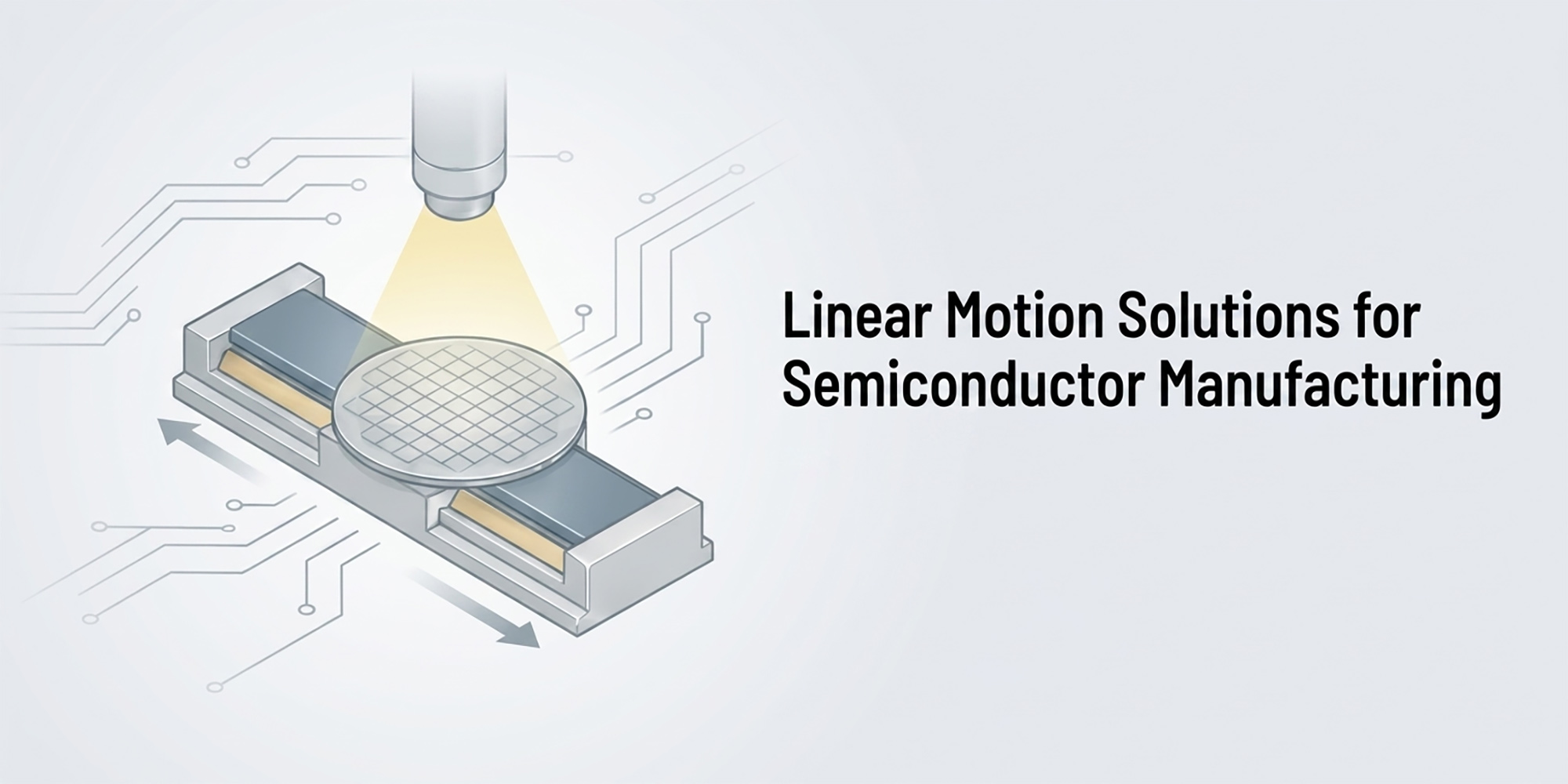
Linear Motion Solutions for Semiconductor Manufacturing

Linear Motion Solutions for Semiconductor Manufacturing

The semiconductor industry stands at the forefront of technological innovation, demanding unprecedented levels of precision, cleanliness, and...
Read More
Hl Bearings Enters China's Top 500 Machinery Manufacturers

Hl Bearings Enters China's Top 500 Machinery Manufacturers

What Is the China’s Top 500 Machinery Manufacturers Award? Organized by the China Machinery Enterprise Management Association, and co-sponsored by...

Read More
Maintenance Tips for Cam Follower Bearings

Maintenance Tips for Cam Follower Bearings

Understanding Cam Follower Bearings What Are Cam Follower Bearings? Cam followers, or cam follower bearings, come with a cage for holding the...

Read More