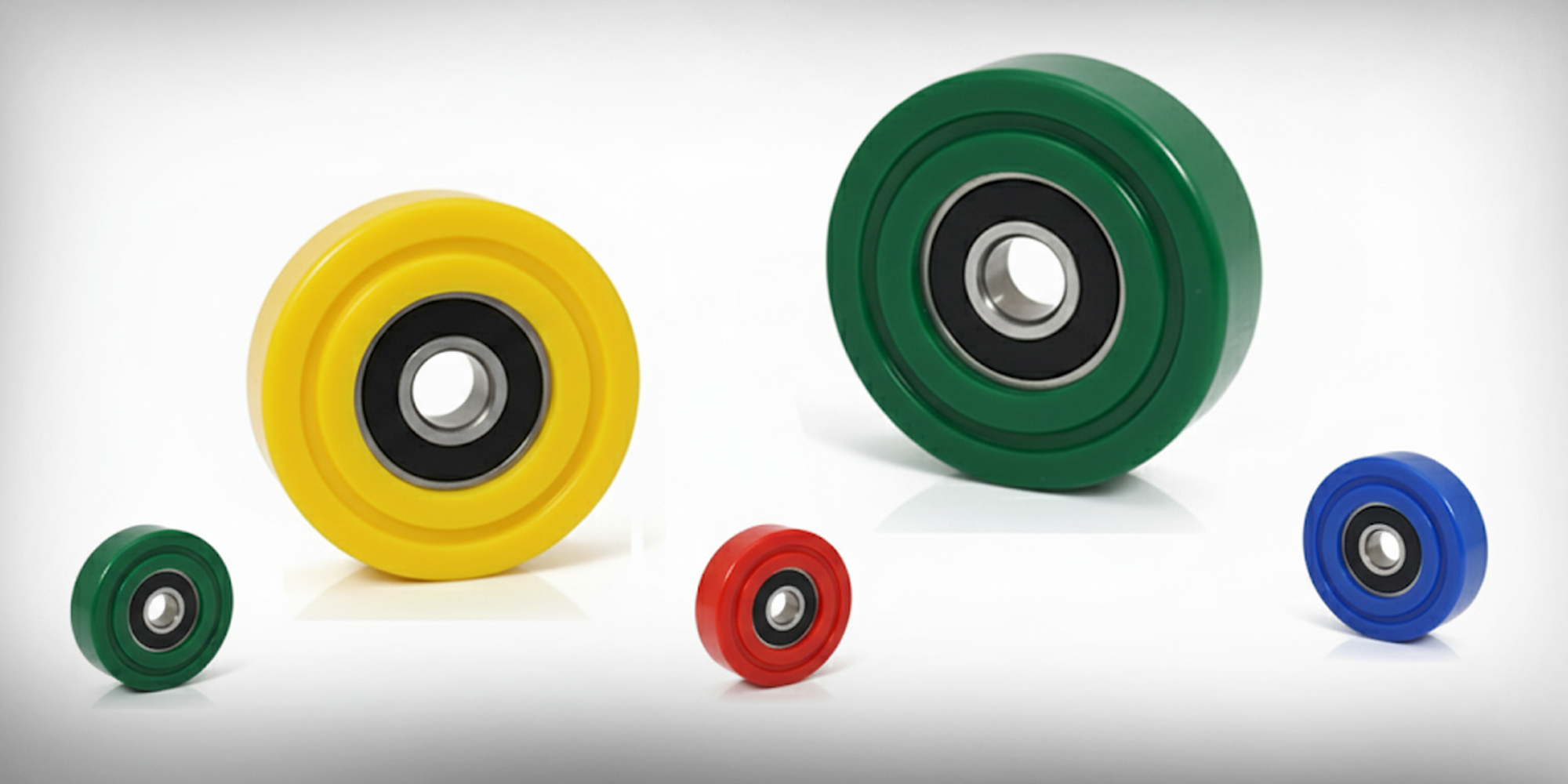


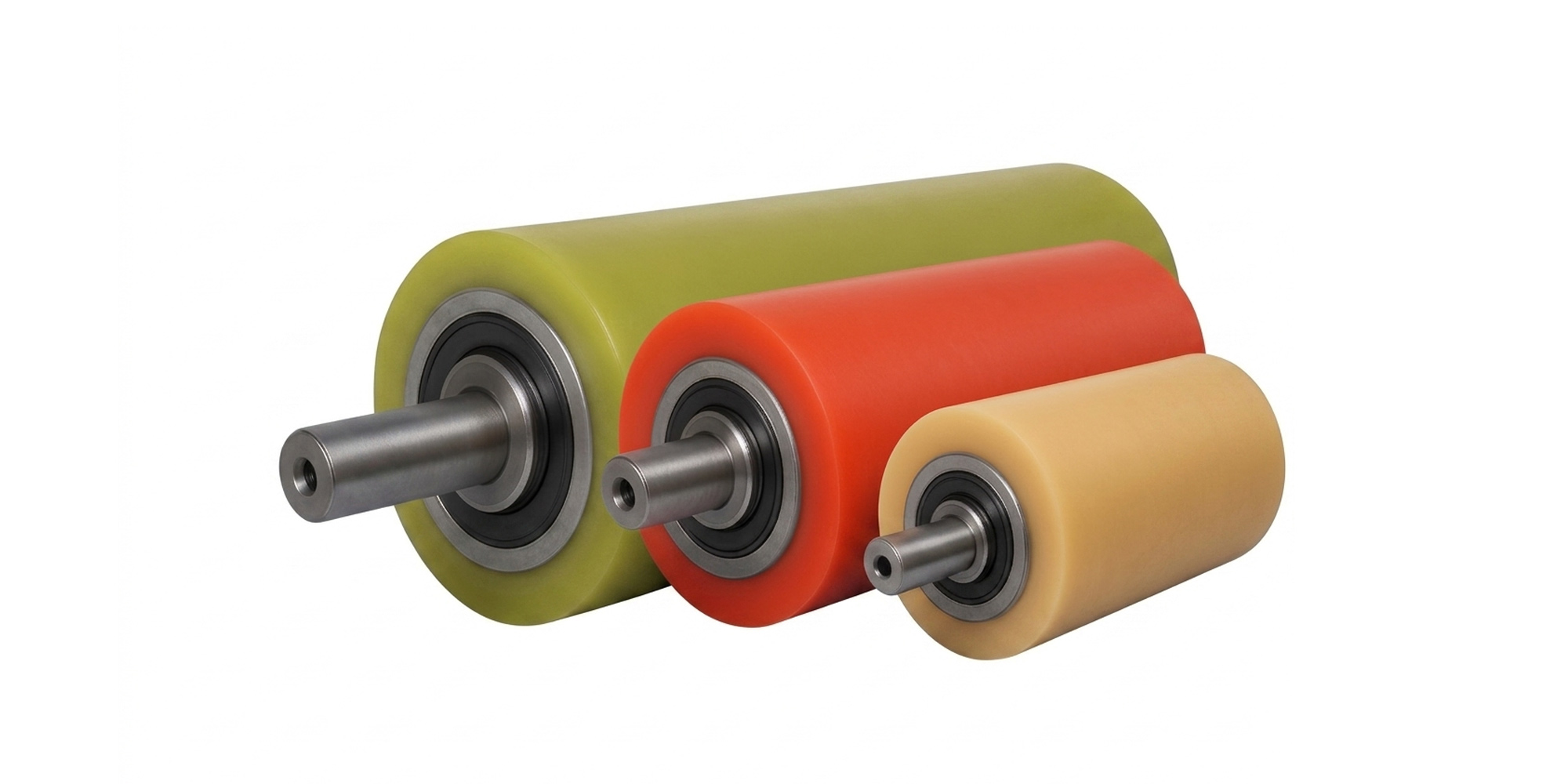

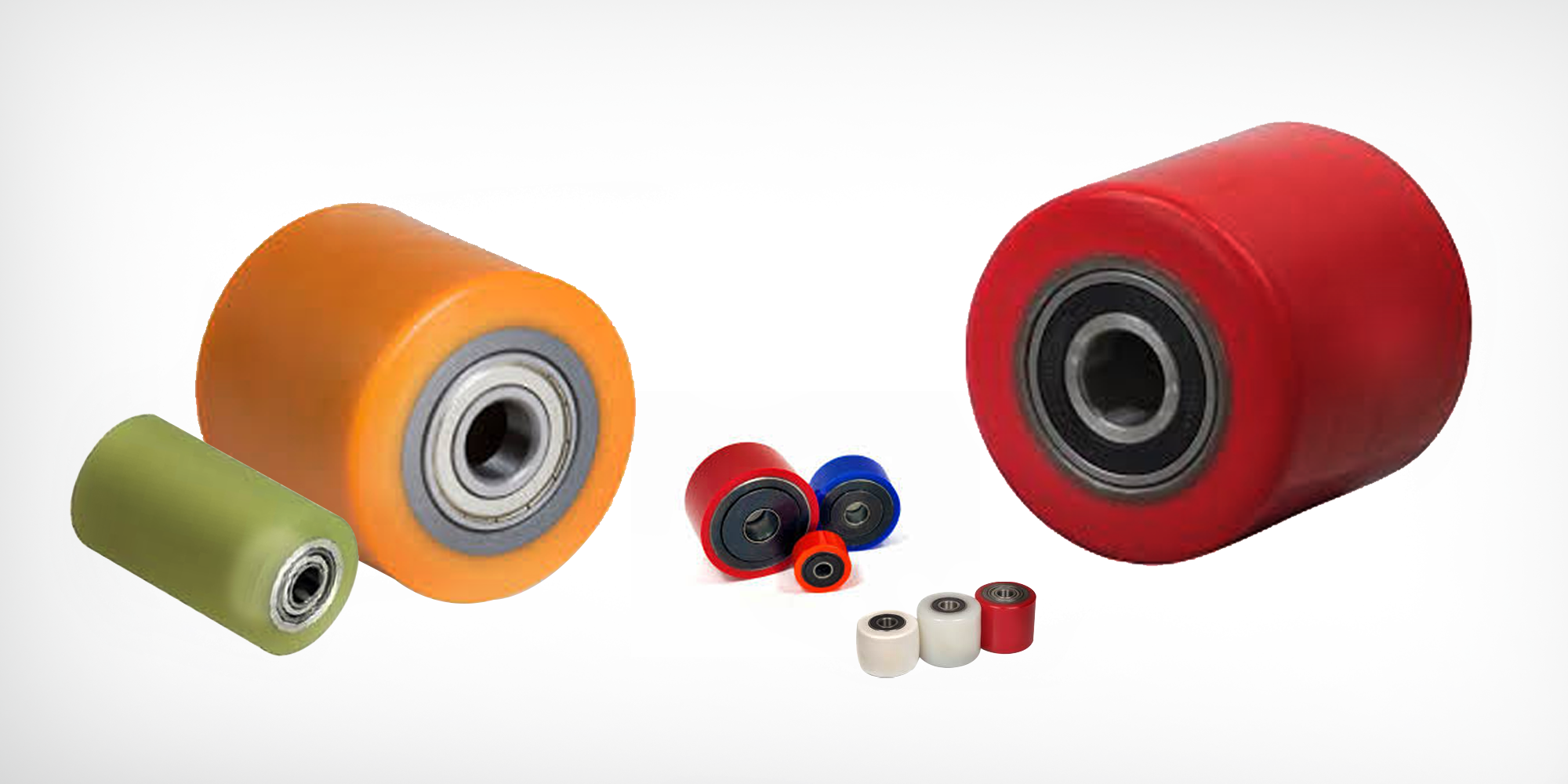
Polyurethane Rollers with Bearings: Features and Uses
Polyurethane rollers with bearings are crucial for enhancing machinery efficiency and performance. They provide durability, low friction, and high...
7 min read
William
:
Apr 14, 2026 3:07:29 AM
Table of Contents
Polyurethane rollers are the workhorses of modern manufacturing. From printing presses and packaging lines to steel mills and food processing facilities, these components operate under relentless mechanical stress — day after day, shift after shift. Yet when it comes to maintenance schedules, rollers are frequently overlooked until something catastrophically fails.
The result? Unexpected downtime, product defects, and repair costs that dwarf the price of simple proactive replacement. Industry maintenance data consistently shows that unplanned equipment failures cost manufacturers significantly more than scheduled maintenance programs.
This guide is designed to help maintenance engineers, plant managers, and procurement teams identify the early and late-stage warning signs that a polyurethane roller is approaching end-of-life — before it takes down your entire production line.
|
💡 Key Insight Polyurethane rollers don't fail suddenly — they degrade gradually. Learning to read the early warning signs is the difference between a planned 30-minute swap and an emergency 6-hour shutdown. |
There is no single "expiration date" for a polyurethane roller. Service life depends on a complex interplay of load, speed, operating temperature, chemical exposure, and the inherent properties of the urethane formulation itself. That said, industry experience provides useful reference ranges.

|
Application |
Average Service Life |
Key Wear Factor |
Inspection Frequency |
|
Conveyor / Material Handling |
12 – 36 months |
Abrasion & Load |
Monthly |
|
Printing (Ink Transfer) |
6 – 18 months |
Solvent exposure |
Weekly |
|
Steel & Metal Processing |
3 – 12 months |
Heat & pressure |
Bi-weekly |
|
Food & Beverage |
12 – 24 months |
Cleaning chemicals |
Monthly |
|
Packaging & Laminating |
18 – 30 months |
Adhesive buildup |
Monthly |
|
Paper & Pulp |
6 – 24 months |
Moisture & pressure |
Bi-weekly |
|
Textile Manufacturing |
12 – 48 months |
Tension & friction |
Quarterly |
These figures assume normal operating conditions. High-temperature environments, aggressive chemical contact, or overloading can reduce service life by 40–70%. Always benchmark against your own production data to build an accurate replacement schedule.
Knowing when to replace a polyurethane roller is both a science and a craft. The following seven indicators are the most reliable diagnostic signals, validated by maintenance professionals across heavy industry.
|
1 |
Visible Surface Cracking Hairline cracks, crazing, or deep fissures on the roller surface indicate UV degradation, chemical attack, or severe thermal cycling. Cracks compromise structural integrity and will propagate rapidly under load. |
|
2 |
Flat Spots or Out-of-Round Profile Flat spots develop when a roller sits under static load for extended periods or is deformed by impact. They cause vibration, uneven nip pressure, and inconsistent product output — especially critical in printing and laminating. |
|
3 |
Hardness Change (Durometer Shift) A roller that has softened (tacky, sticky surface) or hardened beyond its original Shore A or D rating will no longer perform to specification. Always compare current hardness with the original documented value. |
|
4 |
Swelling or Delamination Chemical absorption causes polyurethane to swell, buckle, or separate from its core. This is especially common with solvent-based inks, oils, and aggressive cleaning agents. Delaminated sections can break off mid-operation. |
|
5 |
Excessive Surface Wear / Reduced Diameter Measure roller diameter against original specifications. A reduction exceeding 2–5% means the urethane layer is too thin to distribute load properly, leading to core exposure and rapid failure. |
|
6 |
Abnormal Vibration or Noise Vibration, chatter, or knocking sounds during operation often signal internal voids, delamination, or bearing damage caused by an imbalanced roller. Investigate immediately — this symptom can damage adjacent equipment. |
|
7 |
Product Quality Defects Streaking in print, uneven coating, irregular nip pressure, or inconsistent material feed are all downstream symptoms of a worn roller. If quality checks flag these issues, the roller should be the first component inspected. |
|
⚠️ Critical Warning Never wait for multiple failure signs to appear simultaneously. A single confirmed sign — particularly cracking, delamination, or significant hardness shift — is sufficient cause for immediate roller replacement in high-load or high-speed applications. |
Different industries impose different wear profiles. The table below cross-references the seven warning signs against common industrial sectors, allowing you to prioritize inspection criteria for your specific environment.

Durometer — the Shore hardness rating of a polyurethane roller — is one of the most important but frequently misunderstood variables in roller maintenance. It is not simply a stiffness value; it fundamentally governs how a roller deforms under load, how it resists abrasion, and how it responds to chemical exposure.
|
Shore Rating |
Hardness Feel |
Typical Application |
Wear Mode |
Inspection Interval |
|
Shore 20A – 40A |
Very Soft (gel-like) |
Sensitive substrate handling |
Compression set, flat-spotting |
Weekly |
|
Shore 40A – 60A |
Soft (rubber-like) |
Printing, coating, laminating |
Chemical swell, surface crazing |
Bi-weekly |
|
Shore 60A – 80A |
Medium (firm) |
Conveying, nip rollers |
Abrasive wear, edge chipping |
Monthly |
|
Shore 80A – 95A |
Hard (dense) |
Heavy-duty conveying |
Cracking, thermal fatigue |
Monthly |
|
Shore 40D – 70D |
Very Hard (rigid) |
Steel mills, press rolls |
Spalling, subsurface delamination |
Bi-weekly |
|
✅ Pro Tip: Document Original Hardness At installation, record the Shore hardness of every roller on its equipment tag. Check it at each inspection. A shift of more than ±5 Shore points from baseline is a strong signal the urethane chemistry has been compromised. |
Systematic inspection is the cornerstone of a proactive roller maintenance program. The following procedure should be performed at each scheduled inspection interval.
Under good lighting, examine the full surface for cracks, cuts, scoring, pitting, swelling, discoloration, or adhesive buildup. Rotate the roller 360° slowly. Flag any finding immediately.
Use a calibrated outside micrometer or laser gauge. Measure at 3–5 points across the roller face and compare to the original specification. Record all readings. Taper or out-of-round readings exceeding ±0.002" require immediate attention.
Using a calibrated durometer gauge, take readings at a minimum of five evenly spaced locations. Average the results and compare to your baseline record. Always test on a clean, dry surface at room temperature.
Mount the roller in V-blocks or on the machine shaft and use a dial indicator to measure Total Indicated Runout (TIR). Most applications specify TIR below 0.003" – 0.005". Excessive runout indicates core damage or bearing wear.
Gently probe the urethane-to-core bond at the roller edges using a thin feeler gauge. Any detachment — even minor edge lifting — indicates delamination that will spread.
Inspect shaft journals for corrosion, scoring, or dimensional wear. Check bearings for play, roughness, or overheating. A roller in perfect condition mounted on worn bearings will fail prematurely.
Record all measurements in a maintenance log with date, roller ID, machine location, and operating hours since last inspection. Trend analysis over 3–4 inspection cycles will reveal individual wear rate.
Visual surface inspection — cracks, swelling, discoloration
Diameter measurement at 3–5 points, compared to baseline
Shore hardness measurement at 5 locations, compared to baseline
TIR / runout check with dial indicator
Bond integrity check at roller edges
Bearing play and shaft journal condition
Noise / vibration observation during low-speed test run
Product quality output check (sample inspection)
All readings logged with date and roller ID
The most common objection to proactive roller replacement is cost. But this view is dangerously short-sighted when the full cost of reactive maintenance is properly accounted for.
|
Cost Category |
Proactive Replacement |
Reactive (After Failure) |
|
Roller Cost |
Standard price |
Standard + possible expedite fee |
|
Labor (Installation) |
1–2 hours (planned) |
3–8 hours (emergency team) |
|
Downtime |
30–60 minutes |
4–12+ hours |
|
Scrap / Defective Product |
Minimal |
Significant (entire affected run) |
|
Adjacent Equipment Damage |
None |
Possible (bearings, shafts, frames) |
|
Secondary Failures |
None |
Common (debris, imbalance) |
|
TOTAL COST ESTIMATE |
1× baseline |
3–8× baseline |
Beyond direct costs, reactive failures damage supplier relationships through missed deliveries, erode customer confidence in production reliability, and — in safety-critical industries such as food processing or pharmaceuticals — may trigger regulatory incidents.
When the decision to replace has been made, selecting the correct replacement is just as important as the replacement itself. Matching the wrong formulation, durometer, or geometry can reintroduce the problems you sought to eliminate — or create new ones.
Polyurethane is not a single material — it is a broad family of polymers with widely varying properties. The key formulation parameters to specify are:
|
Environmental Factor |
Recommended Formulation Type |
Notes |
|
Solvent / Ink Exposure |
Polyester-based polyurethane |
Higher chemical resistance |
|
Water / Steam Exposure |
Polyether-based polyurethane |
Hydrolysis-resistant |
|
High Temperature (>100°C) |
MDI-based or specialty castings |
Standard TDI degrades rapidly |
|
Food Contact |
FDA-compliant formulations |
Required per 21 CFR §177.2600 |
|
Heavy Abrasion |
Millable gum urethane |
Superior tear resistance |
|
Electrical Conductivity |
Carbon-loaded urethane |
ESD-safe applications |
Always request a durometer certificate. Acceptable tolerance from specified value is typically ±3 Shore points for critical applications.
For precision nip applications, specify OD tolerance of ±0.001" or tighter. Confirm TIR specification in writing before order confirmation.
Steel, aluminum, or composite cores all behave differently under thermal cycling. Confirm that the adhesion system is compatible with both the urethane formulation and the core substrate.
Polished, matte, textured, and embossed surfaces all produce different traction and release characteristics. Match the original finish or specify an improvement based on observed failure mode.
Yes — in many cases, worn polyurethane rollers can be stripped and recoated with fresh urethane on the existing metal core, provided the core is undamaged and dimensionally sound. Recoating is typically 40–60% of the cost of a new roller. However, if the core shows corrosion, out-of-round, or bearing damage, full replacement is the correct call.
Store rollers horizontally on foam-padded supports, away from direct sunlight, ozone sources, and solvents. Ideal storage temperature is 15–25°C with relative humidity below 65%. Never stack rollers on top of each other — compression set in storage can permanently deform the urethane before the roller enters service.
Shore A is used for softer materials (20A–95A) and measures resistance to a blunt needle indenter. Shore D measures harder materials using a sharper indenter. Most conveying and printing applications fall in the Shore 40A–95A range. The two scales overlap slightly: Shore 95A is approximately Shore 40D.
Under continuous load, hairline cracks can propagate to full-depth fracture within hours to days, depending on crack severity, operating load, speed, and temperature. Never assume a cracked roller is still serviceable — schedule replacement at the next available opportunity without exception.
Polyurethane rollers are engineered to last — but they are not engineered to last forever. Understanding the seven signs of wear and damage, maintaining a rigorous inspection schedule, and acting proactively when those signals appear is the foundation of a high-performing industrial maintenance program.
The cost of a replacement roller is predictable and manageable. The cost of a catastrophic line shutdown — in lost production, emergency labor, scrap product, and downstream consequences — is not. The choice to maintain proactively is not just a maintenance decision; it is a business decision.
Whether you operate a printing facility, a steel mill, a food processing plant, or a packaging line, the principles in this guide apply universally. Document your baseline values, inspect consistently, and replace on evidence — not habit or hope.
|
🏆 Final Takeaway The best time to replace a polyurethane roller is before it fails. The second best time is right now — if any of the seven warning signs described in this guide are present on your equipment today. |
Polyurethane rollers with bearings are crucial for enhancing machinery efficiency and performance. They provide durability, low friction, and high...
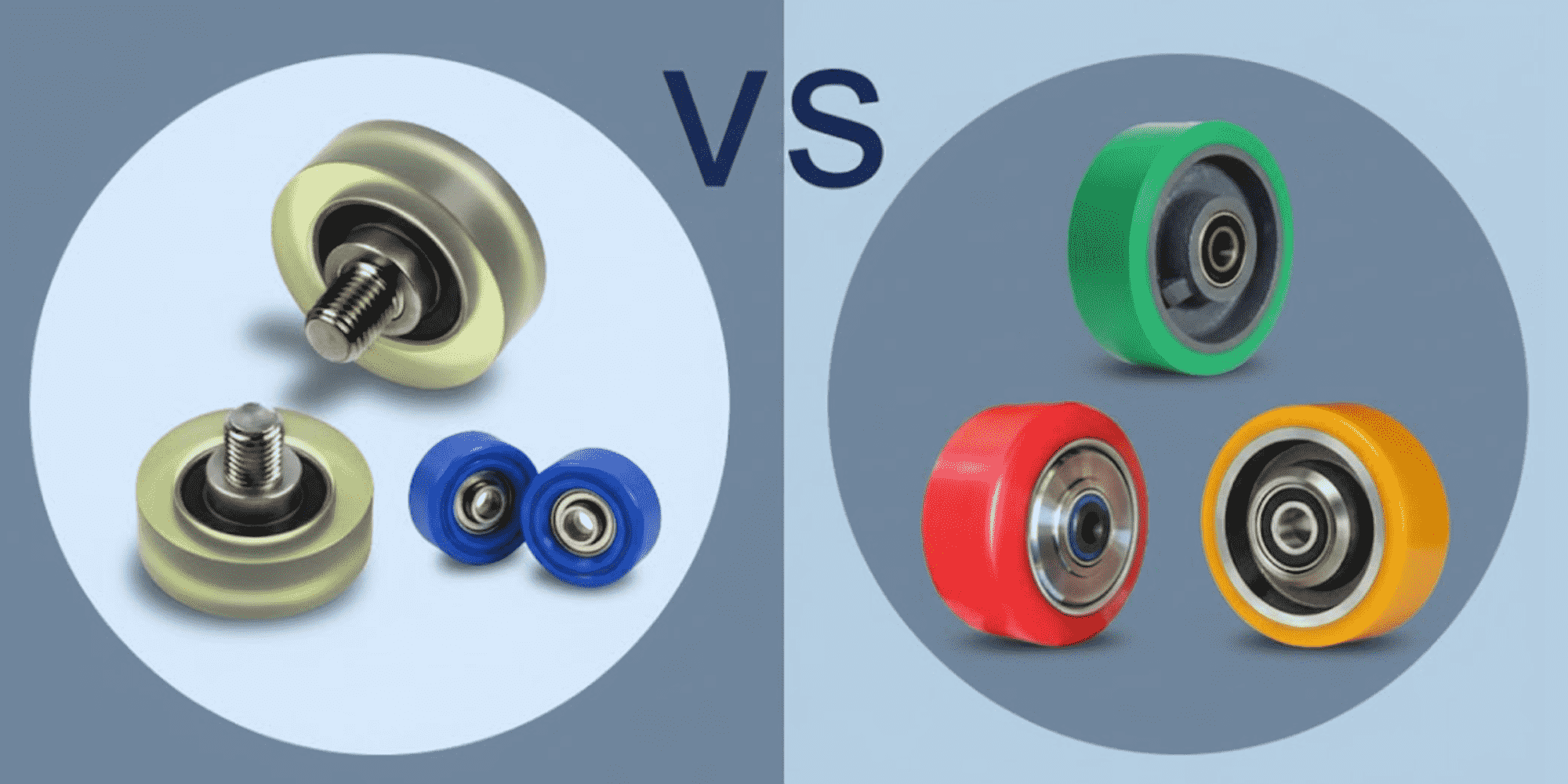
In my 15 years at LILY Bearing, I've seen one specification error cost companies $30K-50K in unplanned downtime: confusing polyurethane rollers with...
Choosing the right bearing is crucial for machine performance and durability. This blog delves into the differences between uncoated and coated...