

 Eric
Eric
How Are Polyurethane Rollers Made?
 Robert : Aug 27, 2025 2:17:36 AM
Polyurethane rollers, or poly rollers, are vital in many industries because they are durable, flexible, and resistant to wear and chemicals. In this...
|
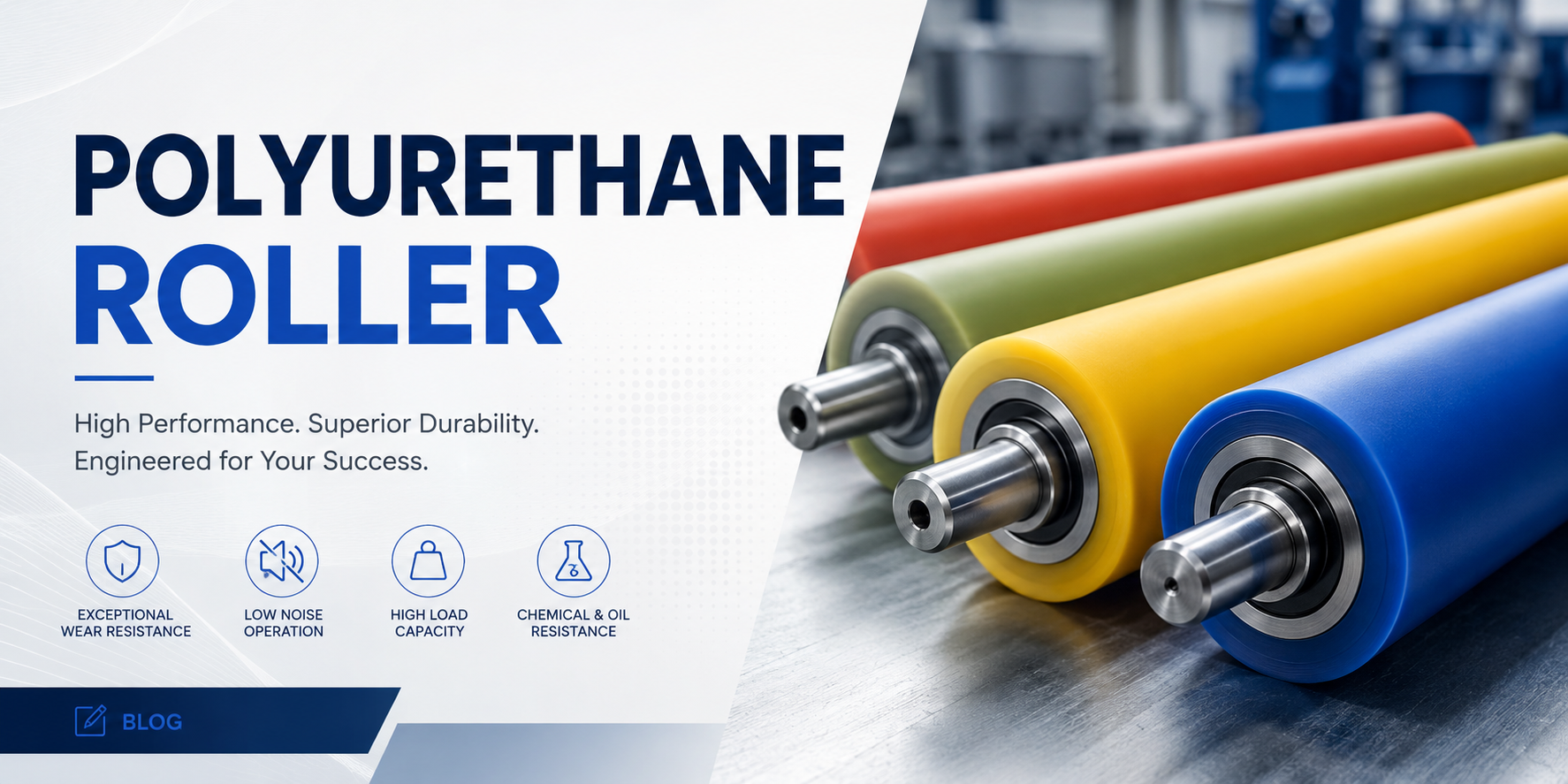
Polyurethane rollers are the unsung workhorses of modern industry — from printing presses and conveyor lines to steel mills and food-processing plants. Choose the wrong roller and you face premature wear, production downtime, and costly replacements. This guide breaks down the five most critical factors every procurement engineer and buyer must evaluate before placing an order. |
When buyers first evaluate a polyurethane roller, Shore hardness is often the single most important specification to verify. Hardness determines how the roller deforms under load, how aggressively it grips or releases a substrate, and how long it will last in your specific operating environment.
Polyurethane rollers are typically measured on two hardness scales — Shore A (for softer, flexible grades) and Shore D (for harder, semi-rigid grades). Understanding which range suits your application prevents catastrophic mismatches that lead to product defects or rapid roller failure.
|
Hardness Range |
Shore Scale |
Typical Applications |
Key Characteristic |
|
20A – 40A |
Shore A |
Delicate film handling, label application, soft substrates |
Soft / Flexible |
|
40A – 60A |
Shore A |
Printing rollers, nip rollers, food conveying |
Medium Flex |
|
60A – 80A |
Shore A |
General industrial conveying, paper & packaging |
Most Common ★ |
|
80A – 95A |
Shore A |
Steel mill rollers, heavy conveyor, mining |
Hard / Durable |
|
50D – 75D |
Shore D |
Extreme-load, high-abrasion environments |
Very Hard |
|
Pro Tip: Always Specify Shore Scale + Number + Tolerance Never simply ask for 'standard hardness.' Always specify the Shore scale (A or D) along with the numeric value and a ±2 tolerance. A difference of just 5 Shore A points can mean the difference between a roller that grips cleanly and one that slips or marks your product. Request an ASTM D2240 hardness certificate for every batch delivered. |
.png?width=2258&height=448&name=Gemini_Generated_Image_9ltdym9ltdym9ltd%20(1).png)
Ask your supplier to provide a hardness test certificate per ASTM D2240 for every batch. Reputable manufacturers will routinely test samples from each cast or mold run and include the data sheet with delivery.
A polyurethane roller that is perfectly formulated but poorly ground is useless on a precision production line. Dimensional tolerances — the permissible variation in outer diameter, length, runout (TIR), and parallelism — directly determine the roller's ability to perform consistently without causing vibration, uneven pressure, or product defects.
|
Dimensional Parameter |
Standard Grade |
Precision Grade |
Why It Matters |
|
Outer Diameter (OD) |
±0.25 mm |
±0.05 mm |
Affects nip pressure uniformity and web tension |
|
Total Indicator Runout (TIR) |
0.10 mm max |
0.025 mm max |
High TIR causes vibration, print banding, web breaks |
|
Bore Diameter |
H7 fit |
H6 fit |
Controls shaft-to-bore concentricity |
|
Face Parallelism |
0.15 mm |
0.04 mm |
Ensures even load distribution across roller width |
|
Surface Finish (Ra) |
1.6 µm |
0.4 µm |
Affects traction, release properties, and marking |
The finishing process largely determines a roller's dimensional accuracy. Always ask your supplier about their grinding capability:
Polyurethane is not a simple elastic material — it exhibits viscoelastic behavior, meaning it deforms under stress and may not fully recover. Two rollers with identical Shore hardness can perform very differently under repeated loading cycles if their polyurethane formulation differs in tensile strength, tear resistance, and compression set.
Compression set is the permanent deformation remaining in a material after prolonged compressive stress at a defined temperature. A low compression set (expressed as a percentage) means the roller springs back to its original shape after load is removed — critical for applications with intermittent contact or heavy nip loads.
|
Mechanical Property |
Typical Value |
High-Performance Grade |
Test Standard |
|
Tensile Strength |
20 – 35 MPa |
40 – 55 MPa |
ASTM D412 |
|
Elongation at Break |
300 – 450% |
500 – 700% |
ASTM D412 |
|
Tear Resistance |
60 – 100 kN/m |
120 – 180 kN/m |
ASTM D624 |
|
Compression Set @ 70°C |
15 – 25% |
< 12% |
ASTM D395B |
|
Abrasion Resistance |
80 – 120 mm³ |
< 50 mm³ |
DIN 53516 |
|
Industry Standard Reference: ASTM D395 Method B Compression set should be tested per ASTM D395 Method B (25% deflection for 22 hours at specified temperature). For most industrial roller applications, specify a compression set of ≤15% at 70°C. For ambient temperature applications, ≤10% is achievable with premium MDI-based formulations. Always request the test data — not just a verbal assurance. |
|
⚡ Key Buyer Insight: MDI vs. TDI Formulations For high-speed or high-load applications (steel coil processing, lamination lines, heavy conveyor drives), always request polyurethane formulated from MDI-based (methylene diphenyl diisocyanate) systems rather than TDI-based systems. MDI grades typically deliver superior load-bearing capacity, lower compression set, and better hydrolysis resistance. |
When evaluating load capacity, also consider the shaft and core material. The polyurethane may be excellent, but a steel core with inadequate wall thickness or a poorly specified bearing journal diameter will deflect or fail before the urethane does. Review the full roller assembly drawing, not just the urethane specification.
Standard polyurethane rollers are formulated for ambient conditions — roughly −20°C to +80°C. Push beyond this range without specifying the correct formulation, and you can expect accelerated aging, softening, surface cracking, and adhesion failure between the urethane layer and the core. In chemically aggressive environments, fluid attack can destroy a roller in weeks.
|
Chemical / Medium |
Standard PU |
Oil-Resistant PU |
Hydrolysis-Stable PU |
|
Mineral oils |
Fair |
Excellent |
Good |
|
Water / High Humidity |
Poor ⚠ |
Fair |
Excellent |
|
Weak acids (pH 4–6) |
Fair |
Fair |
Good |
|
Ketones / Esters |
Not Recommended |
Not Recommended |
Not Recommended |
|
UV / Ozone |
Moderate |
Moderate |
Good (with stabilizers) |
For wet or humid environments — common in paper mills, food processing, and textile industries — hydrolysis resistance is the critical parameter. Polyester-based polyurethanes are highly susceptible to hydrolytic degradation; polyether-based or polycarbonate-based formulations should be specified instead.
|
Pro Tip: Document ALL Chemical Exposures Always provide your supplier with a complete list of fluids, temperatures, and cleaning agents the roller will encounter — including wash-down chemicals and lubricants on nearby machinery. Even incidental contact with incompatible chemicals during cleaning cycles can initiate surface degradation that is often misattributed to wear. |

Even the most precisely specified polyurethane roller is only as good as the supplier manufacturing it. Quality shortfalls in raw material sourcing, mixing ratios, curing parameters, or bonding processes won't be visible on arrival — they surface as premature failures weeks or months into production, at significant cost.
Before awarding a purchase order, conduct a structured supplier assessment. Here is the complete checklist:
|
Evaluation Criteria |
What to Verify |
Importance |
|
ISO 9001 Certification |
Scope covers PU roller manufacture; not expired; third-party audited |
Critical ★★★ |
|
Material Traceability |
Batch-level records for isocyanate, polyol, additives; linked to serial number |
Critical ★★★ |
|
In-Process QC Records |
Hardness, dimensions, and bond strength tested at defined stages |
Critical ★★★ |
|
Grinding Equipment |
CNC cylindrical grinder with calibration certificate; capable of stated TIR |
Important ★★ |
|
Core Prep Process |
Shot-blasting + primer; adhesion test ASTM D429; bond ≥ substrate failure |
Critical ★★★ |
|
Delivery & Lead Time |
Confirmed lead times; safety stock program for critical spares |
Important ★★ |
|
Technical Support |
Dedicated application engineer; willingness to review specifications and propose alternatives |
Important ★★ |

Polyurethane is the dominant choice for most industrial roller applications, but it is worth understanding when alternative materials may be more appropriate:
|
Property |
Polyurethane |
EPDM Rubber |
Silicone |
NBR Rubber |
|
Abrasion Resistance |
Excellent ✓ |
Moderate |
Poor ✗ |
Good |
|
Load Capacity |
Excellent ✓ |
Moderate |
Low ✗ |
Moderate |
|
High Temp (>120°C) |
Limited |
Good |
Excellent ✓ |
Poor ✗ |
|
Oil Resistance |
Good |
Poor ✗ |
Moderate |
Excellent ✓ |
|
Wet / Hydrolysis |
Grade-Dependent |
Excellent ✓ |
Good |
Good |
|
Typical Cost Index |
Medium–High |
Low |
High |
Low–Medium |
Buying a polyurethane roller is not a commodity transaction — it is a precision engineering decision. Before approving any purchase order, work through these five questions:
A few hours of due diligence at the specification and supplier qualification stage consistently prevents months of unplanned downtime and replacement costs down the line. Use this guide as your baseline — and adapt it to the specific demands of your industry and application.
 Robert : Aug 27, 2025 2:17:36 AM
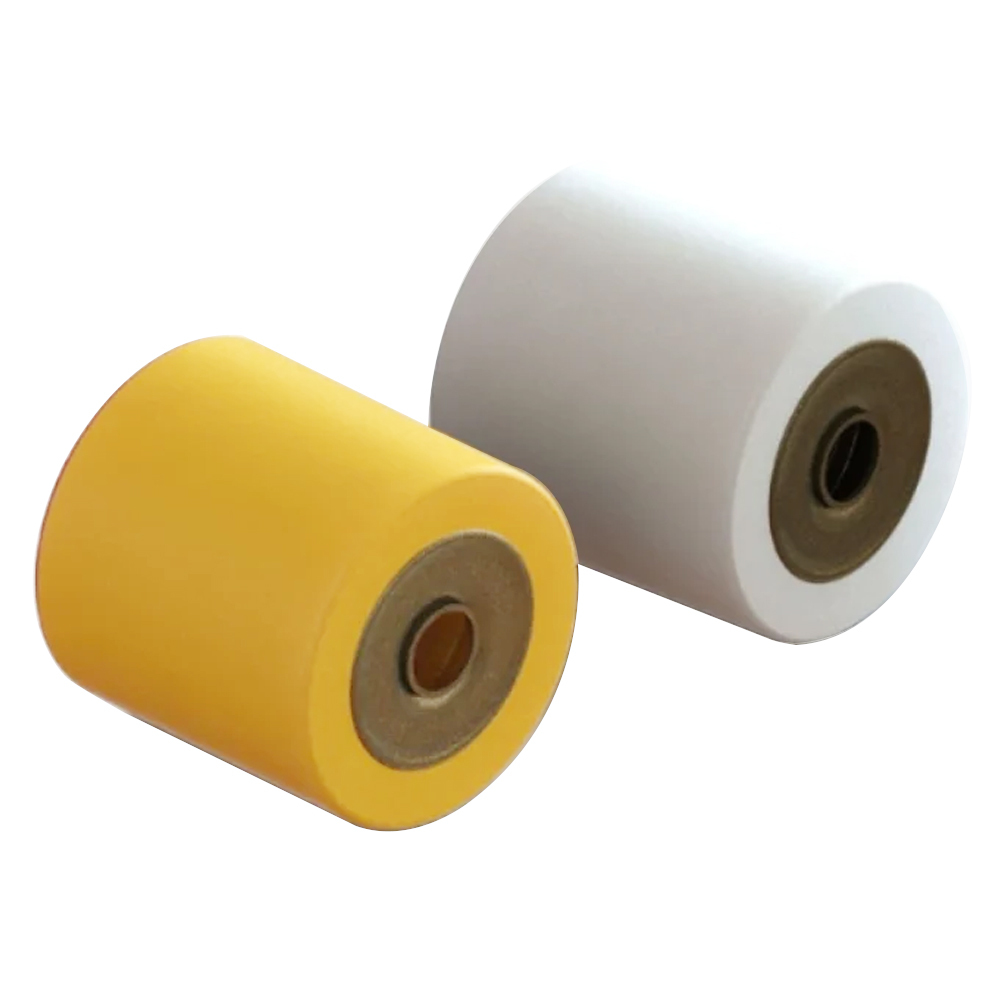
Polyurethane rollers, or poly rollers, are vital in many industries because they are durable, flexible, and resistant to wear and chemicals. In this...
 William : Aug 21, 2025 5:16:27 AM
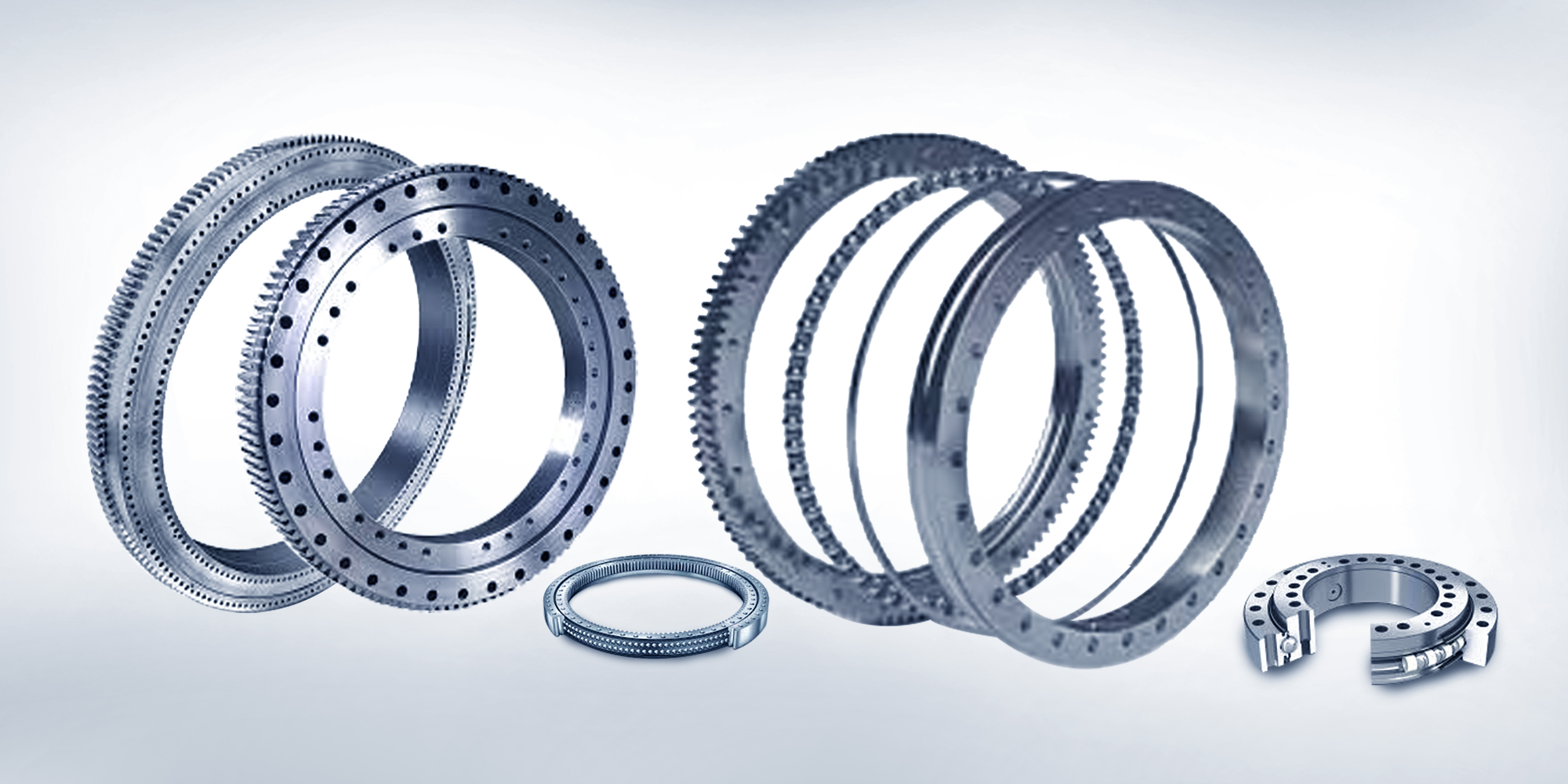
Walk the floor of any large crane manufacturer or wind turbine assembly plant and you'll find one component that makes everything else possible —...
 Richard : Aug 26, 2025 10:20:31 PM
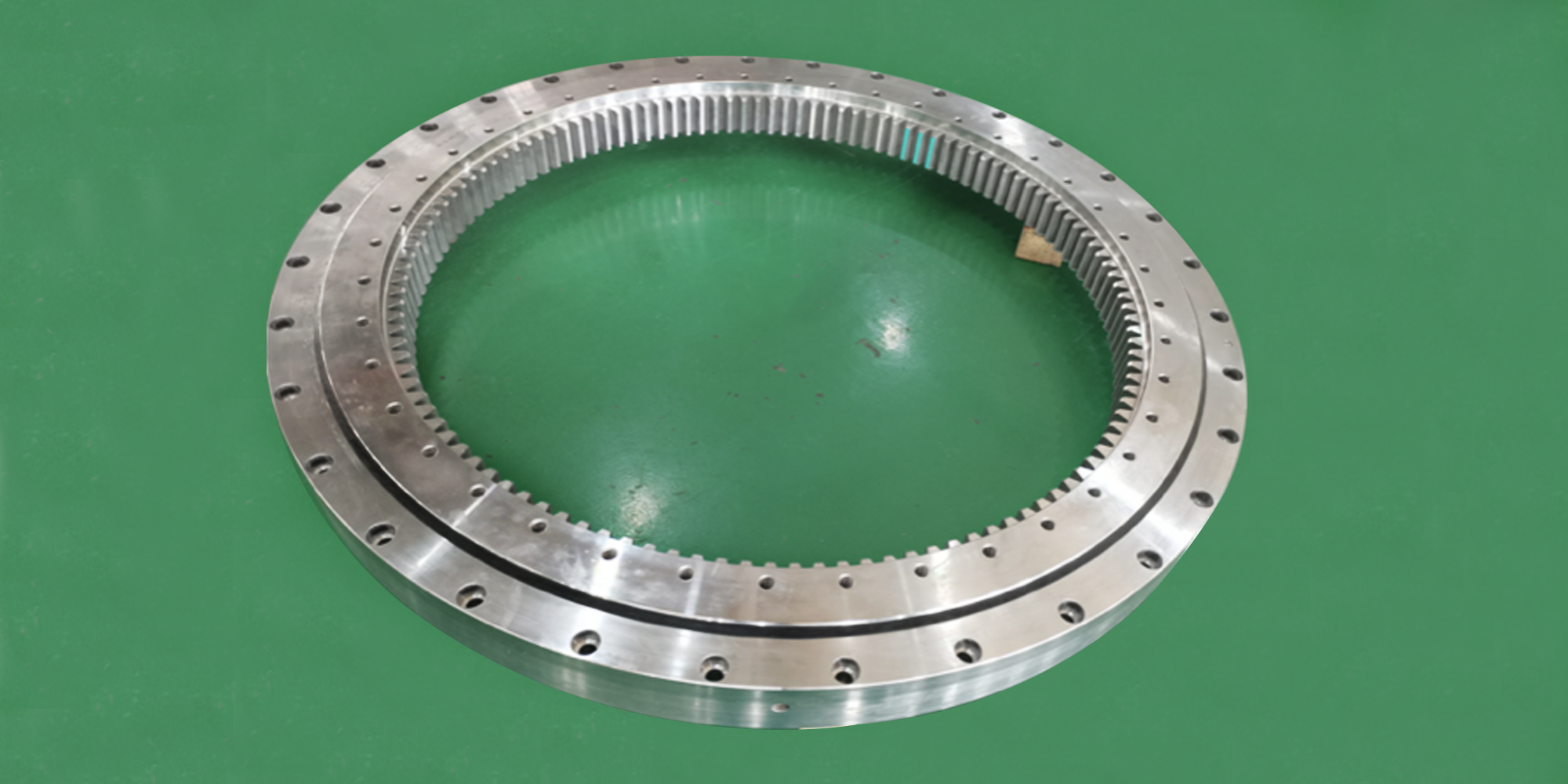
LILY has supplied assistance in Tesla’s create new products at the Gigafactory, a special custom slewing bearing made by Lily Bearing will soon start...