

 Richard
Helical vs. Spur Gears: Which One to Choose?
 Robert : Oct 22, 2025 9:47:28 PM
Equipment noise complaints from customers? Production costs 40% over budget? The choice between helical vs. spur gears affects everything from...
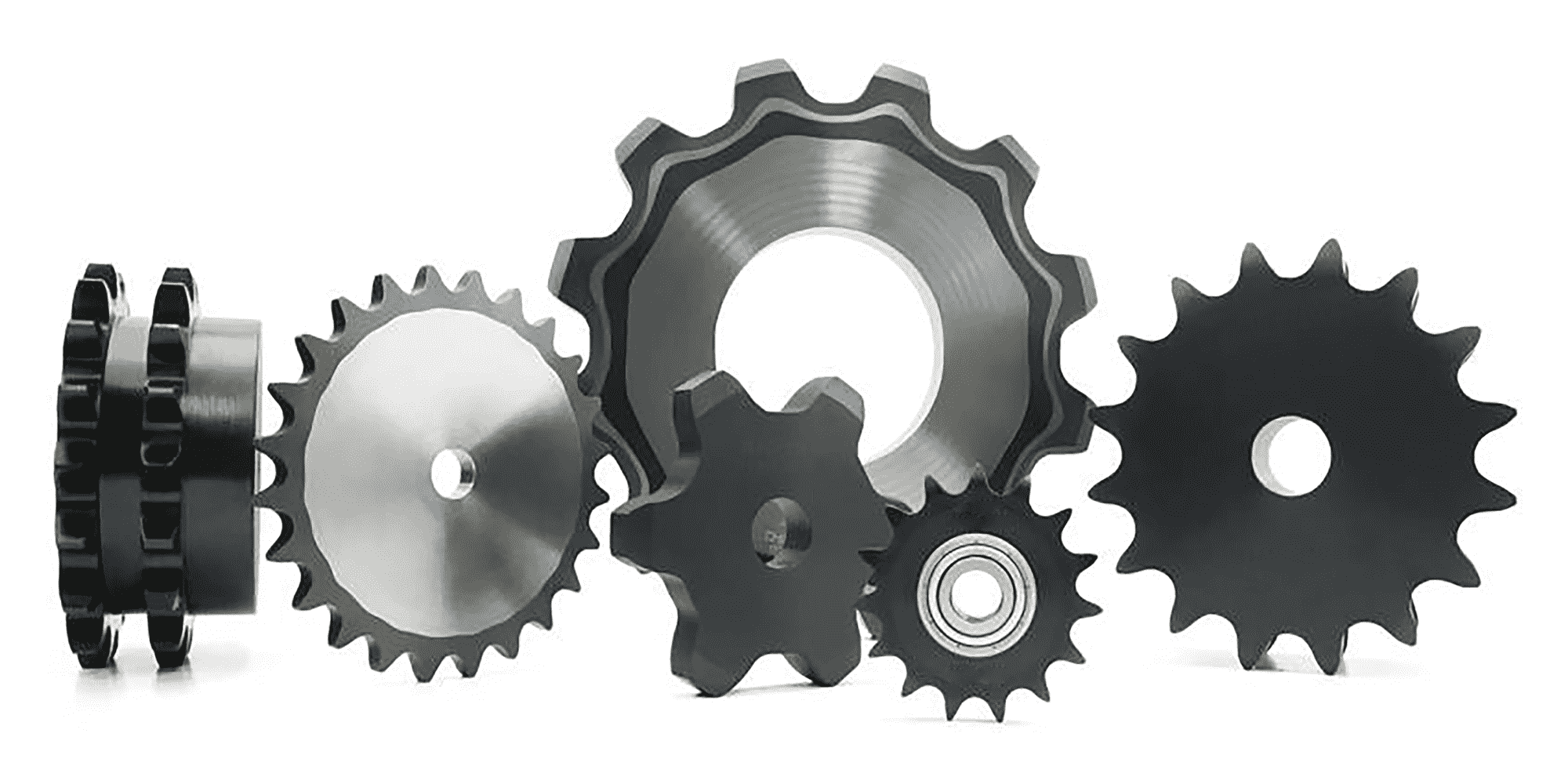
Motorcycle enthusiasts often seek higher top speed. One of the most effective and affordable ways to gain those extra MPH is by modifying your sprockets. But which sprocket is "best" for speed? The answer lies in mastering the Final Drive Ratio and understanding the critical trade-off between velocity and acceleration.
A sprocket (also called a chainwheel) is a toothed wheel that meshes with a roller chain to transmit rotational power between two shafts without slipping. Unlike gears, which mesh directly with each other, sprockets use a flexible chain to transfer power over a distance — making them ideal for motorcycles, bicycles, industrial conveyors, and machinery drives.
The relationship between the front (drive) sprocket and the rear (driven) sprocket is what determines how fast your output shaft — and ultimately your wheel or machine — rotates. This relationship is called the final drive ratio, and it is the single most important factor governing both top-end speed and low-end acceleration in any chain-driven system.
💡 Key Principle: Sprockets do not change speed on their own — the RATIO between the driving and driven sprocket determines whether you gain speed or torque. Understanding this ratio is the entire game.
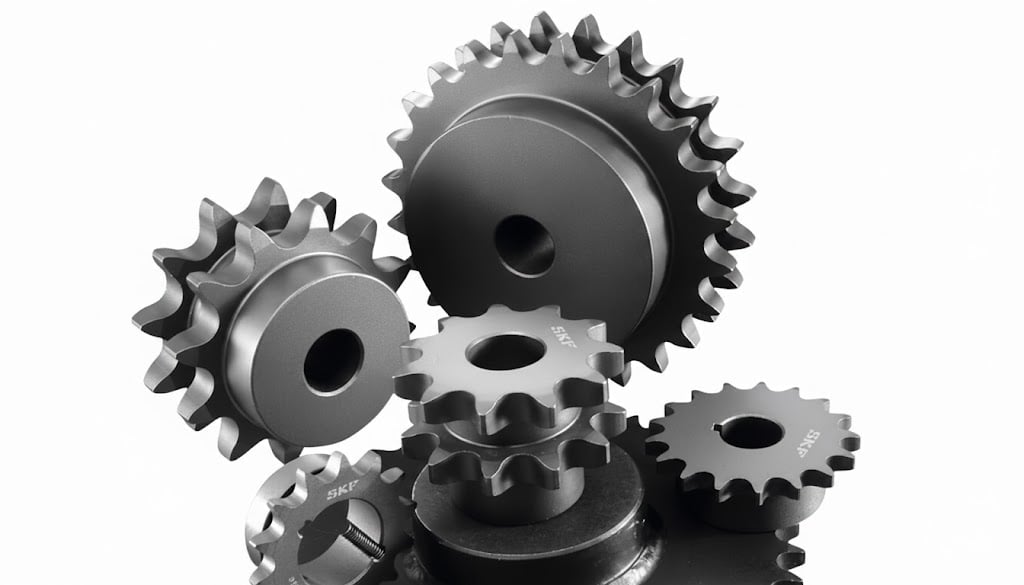
The gear ratio is the foundation of every speed calculation. It tells you how many times the front (drive) sprocket must rotate to complete one full rotation of the rear (driven) sprocket.
Formula: Final Drive Ratio = Rear Sprocket Teeth ÷ Front Sprocket Teeth
Example: A rear sprocket with 45 teeth and a front sprocket with 15 teeth gives a ratio of 3.00. The front must turn 3 times to rotate the rear wheel once. Swap to a 42T rear and the ratio drops to 2.80 — a lower ratio means higher top-end speed.
|
Front (T) |
Rear (T) |
Ratio |
Speed Effect |
Torque Effect |
|
13T |
49T |
3.77 |
▼ Lower top speed |
▲ Higher acceleration |
|
13T |
45T |
3.46 |
▼ Below average speed |
▲ Good acceleration |
|
15T |
45T |
3.00 |
⚖️ Balanced (Stock) |
⚖️ Balanced |
|
15T |
42T |
2.80 |
▲ Moderate speed boost |
▼ Less low-end torque |
|
16T |
42T |
2.63 |
▲▲ Strong speed boost |
▼ Reduced acceleration |
|
17T |
40T |
2.35 |
▲▲▲ Maximum top speed |
▼▼ Weakest acceleration |
Notice: as the ratio decreases, top-end speed increases. You can lower the ratio either by increasing the front sprocket or by reducing the rear sprocket — or both simultaneously for a more dramatic effect.
Important rule: changing the front sprocket by 1 tooth has roughly the same effect as changing the rear sprocket by 3-4 teeth, because the front sprocket is smaller and each tooth represents a larger percentage change.
This is the immutable law of mechanical power transmission: speed and torque are always in opposition. When you gear for more top-end speed, you sacrifice low-end pulling power. Understanding this trade-off is the tool that lets you tailor your machine perfectly to its environment.
|
�� Maximum Speed |
⚡ Maximum Acceleration |
⚖️ Balanced Setup |
|
Larger front OR smaller rear sprocket Lower gear ratio. Best for flat terrain, highway riding, and straight-line industrial drives. Engine revs lower at cruise, reducing wear. |
Smaller front OR larger rear sprocket Higher gear ratio. Best for tight trails, stop-and-go tracks, heavy conveyors, and applications where rapid response matters. |
Stock gearing or 1-tooth adjustment Manufacturer defaults are engineered compromises. Change rear by 1-2 teeth for subtle fine-tuning without dramatic performance shifts. |
The short answer: to maximize top-end speed, use a larger front (drive) sprocket or a smaller rear (driven) sprocket. This creates a lower gear ratio, meaning the output shaft or wheel turns faster relative to engine or motor RPM.
|
⚡ The Speed-Optimized Sprocket Rules |
|
Rule 1 — Lower the ratio: Reduce the rear sprocket OR increase the front sprocket. A ratio below 3.0 prioritizes top speed in most motorcycle applications. |
|
Rule 2 — Front changes are more powerful: Adding 1 tooth to the front = removing 3-4 teeth from the rear. Use front for big changes, rear for fine-tuning. |
|
Rule 3 — Verify engine torque: A taller ratio only works if your engine generates enough torque to pull it. Confirm your power plant capability before going speed-focused. |
|
Rule 4 — Use odd-number tooth counts: Avoid even ratios (e.g., 20T/40T). Odd numbers (e.g., 19T/41T) distribute wear evenly across all teeth and chain links. |
|
Rule 5 — Maintain minimum chain wrap: Ensure the chain wraps at least 120° around the smaller sprocket. Use an idler sprocket if needed to maintain tension. |
Use the tables below to quickly compare how different sprocket configurations affect your final drive ratio and relative top-speed potential.
|
Rear (T) |
Ratio |
vs. Stock (45T) |
Top Speed Impact |
Best For |
|
52T |
3.47 |
+15.6% torque bias |
▼ Slower top speed |
Tight trails, hill climbs |
|
49T |
3.27 |
+8.9% torque bias |
▼ Below average |
Technical tracks |
|
45T |
3.00 |
— Stock baseline |
⚖️ Balanced |
General purpose |
|
42T |
2.80 |
−6.7% speed gain |
▲ Moderate boost |
Open tracks, highways |
|
40T |
2.67 |
−11.1% speed gain |
▲ Significant boost |
Desert, flat terrain |
|
38T |
2.53 |
−15.6% speed gain |
▲▲ High top speed |
Racing circuits |
|
Front (T) |
Ratio |
vs. Stock (15T) |
Top Speed Impact |
Best For |
|
12T |
3.75 |
+25% torque bias |
▼▼ Much slower |
Heavy loads, inclines |
|
13T |
3.46 |
+15.4% torque bias |
▼ Slower |
Motocross, off-road |
|
15T |
3.00 |
— Stock baseline |
⚖️ Balanced |
General purpose |
|
16T |
2.81 |
−6.3% speed gain |
▲ Moderate boost |
Highway, touring |
|
17T |
2.65 |
−11.7% speed gain |
▲▲ Strong boost |
Flat tracks, drag racing |
|
18T |
2.50 |
−16.7% speed gain |
▲▲▲ Max top speed |
High-speed circuits |
Warning: Avoid using a front sprocket smaller than stock. A smaller front sprocket forces the chain to bend around a tighter radius, dramatically increasing chain wear and reducing service life of both chain and sprocket.
For a deeper look at exactly how smaller sprockets affect speed — and why the front and rear work in opposite directions — see: Does a Smaller Sprocket Increase Speed?
The optimal sprocket setup depends on your machine type, operating environment, and performance goal. Use this table as a practical reference for common applications.
|
Application |
Ratio Target |
Front (T) |
Rear (T) |
Priority |
|
Highway / Touring Motorcycle |
2.5 – 3.0 |
16T – 18T |
40T – 45T |
Top Speed + Economy |
|
Motocross / Off-Road |
3.5 – 4.2 |
12T – 14T |
48T – 52T |
Acceleration + Traction |
|
Desert Racing / Drag |
2.3 – 2.7 |
17T – 19T |
38T – 42T |
Maximum Top Speed |
|
Industrial Conveyor (Light) |
1.5 – 2.5 |
19T – 25T |
30T – 45T |
Speed + Smooth Operation |
|
Industrial Conveyor (Heavy) |
3.0 – 5.0 |
14T – 18T |
50T – 72T |
Torque + Load Capacity |
|
Road Bicycle / E-Bike |
2.0 – 3.0 |
38T – 52T ring |
11T – 14T cass. |
High Cadence Speed |
|
Mountain Bike |
3.5 – 6.0+ |
28T – 36T ring |
36T – 52T cass. |
Low-end Climbing Power |
|
Agricultural Machinery |
2.0 – 4.0 |
Variable |
Variable |
Torque for Field Conditions |
The material of your sprocket affects not just durability, but also the maximum safe operating speed, chain compatibility, and long-term performance consistency. Choosing the wrong material for a high-speed application can result in premature tooth wear, chain jump, or catastrophic failure.
|
Material |
Max Speed Rating |
Wear Resistance |
Weight |
Best Application |
|
Hardened Carbon Steel |
High (HRC 40-50) |
Excellent |
Heavy |
Industrial drives >500 RPM |
|
Stainless Steel 304/316 |
Moderate |
Good |
Heavy |
Food, pharma, corrosive envir. |
|
7075-T6 Aluminum |
Very High |
Moderate |
Very Light |
Racing motorcycles, speed builds |
|
Cast Iron |
Low to Moderate |
Good |
Very Heavy |
Low-speed, high-load industrial |
|
Engineering Polymer |
Low |
Low |
Lightest |
Light-duty, quiet, corrosion-free |
|
Steel + Aluminum Hybrid |
High |
Very Good |
Light |
Off-road racing (Renthal style) |
7075-T6 aluminum is the top choice — exceptional strength-to-weight ratio and high RPM capability
CNC-machined teeth ensure precision engagement and reduced vibration at speed
Aluminum wears faster than steel — replace more frequently in heavy use conditions
Always use hardened steel front sprockets even with aluminum rear — the front bears more stress per tooth
Induction-hardened carbon steel (HRC 40-50) is mandatory for drives exceeding 500 RPM
High-speed drives require continuous oil bath or drip lubrication — manual greasing is insufficient
Optimal shaft spacing: 30-50x the chain pitch for smooth operation above 300 RPM
Even 1 degree of shaft misalignment reduces chain life by up to 50% — use laser alignment tools
Follow these six steps to select the correct sprocket setup when your primary goal is maximizing top-end speed.
|
1 |
Establish Your Current Baseline Ratio Count the teeth on your existing front and rear sprockets, then divide: Rear ÷ Front = Current Ratio. Record this before making any changes — it is your performance benchmark. |
|
2 |
Confirm Your Engine Can Handle Taller Gearing A speed-optimized setup only works if your engine generates enough torque to pull the taller ratio without laboring. Check your power curve — high-torque engines at mid-to-high RPM handle taller gearing best. |
|
3 |
Decide Whether to Change Front or Rear For a big speed change: increase the front sprocket by 1-2 teeth (equivalent to removing 3-4 teeth from the rear). For fine-tuning: reduce the rear by 1-2 teeth. Never change both simultaneously on the first attempt. |
|
4 |
Match Chain Pitch and Verify Compatibility Never mix ANSI and BS (British) standard chains and sprockets — the tooth profiles differ and cause the chain to jump under load. When changing sprocket sizes significantly, you may need a longer or shorter chain. Always replace chain and sprockets together. |
|
5 |
Use Odd-Number Tooth Counts Avoid ratios where both sprockets share a common factor (e.g., 20T/40T = exact 2:1 ratio). Use odd numbers (e.g., 19T/41T) so chain links hunt for new teeth each revolution, distributing wear evenly across the full sprocket and chain set. |
|
6 |
Set Correct Chain Tension and Lubrication Optimal chain sag is 1-2% of span distance. Too tight destroys bearings; too loose and it jumps teeth under power. For high-speed industrial drives above 300-500 RPM, use a continuous oil bath or drip lubrication system. |
In summary, choosing the "best" sprocket for speed requires accepting the fundamental trade-off: speed gains come at the expense of launch power.
Your ideal setup balances your desired top speed with the acceleration required for your riding style and environment.
Explore the full range of sprockets and gears at lily bearing and find the perfect solution for your needs.
 Robert : Oct 22, 2025 9:47:28 PM
Equipment noise complaints from customers? Production costs 40% over budget? The choice between helical vs. spur gears affects everything from...
 William : Aug 27, 2025 5:52:56 AM
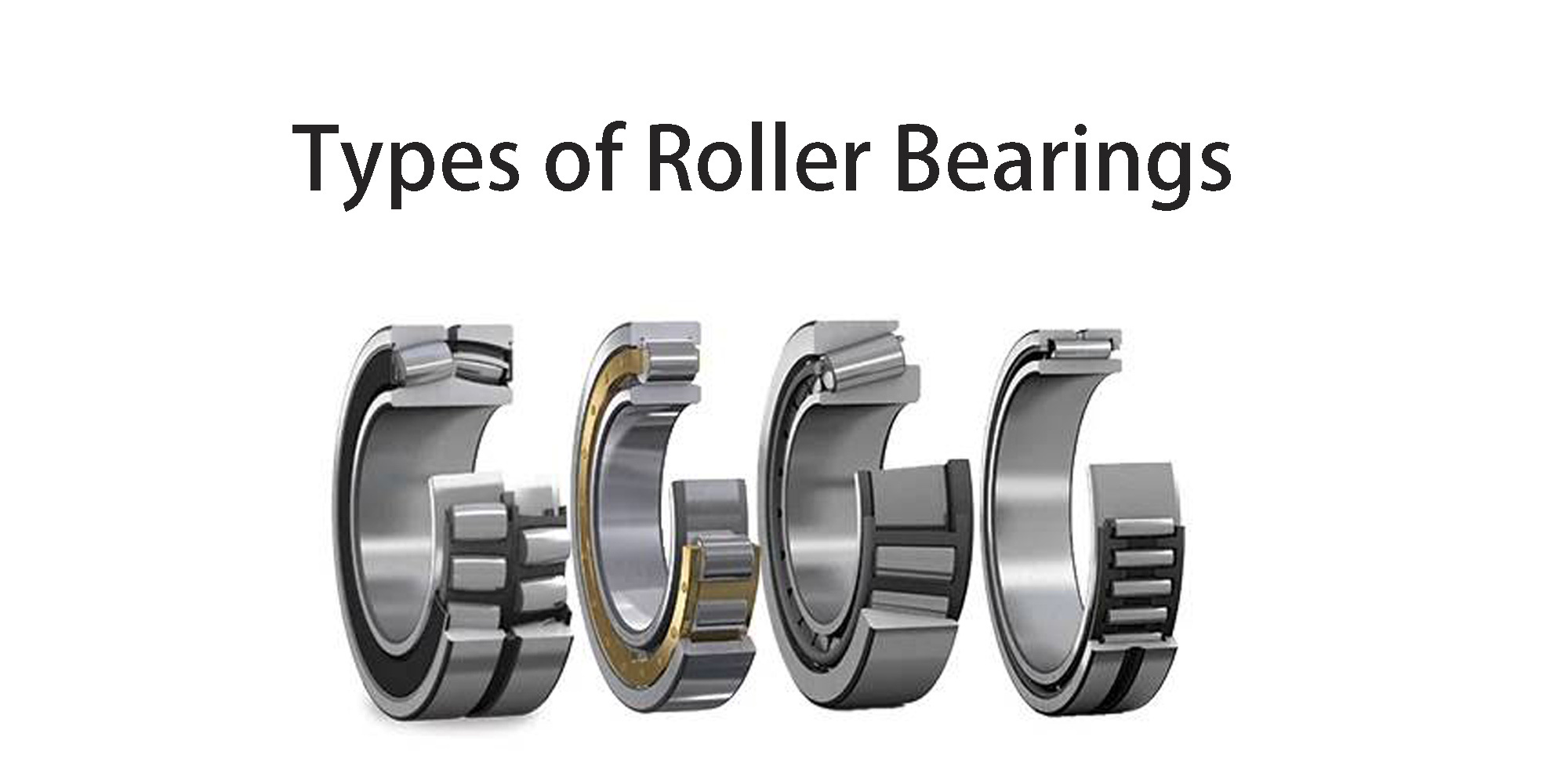
Roller bearings are important because they reduce friction and help parts move smoothly. By using rolling instead of sliding, roller bearings help...
 Richard : Aug 24, 2025 11:12:34 PM
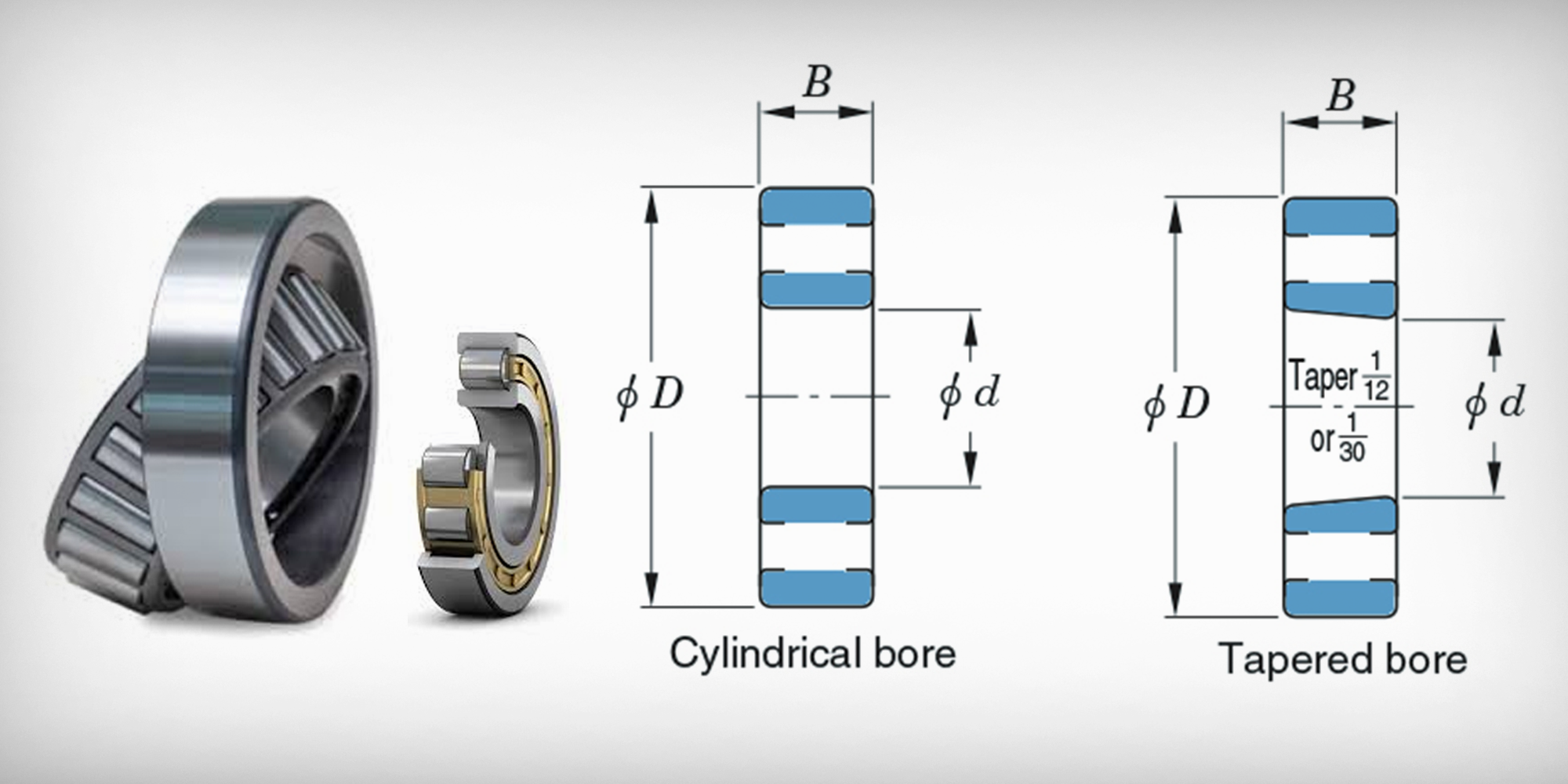
The precise world of bearings revolves around detailed measurements and exacting specifications. One critical tool for ensuring optimal bearing...