

 Richard
How to Remove and Replace a Bicycle Sprocket
 Robert : Nov 14, 2025 1:29:35 AM
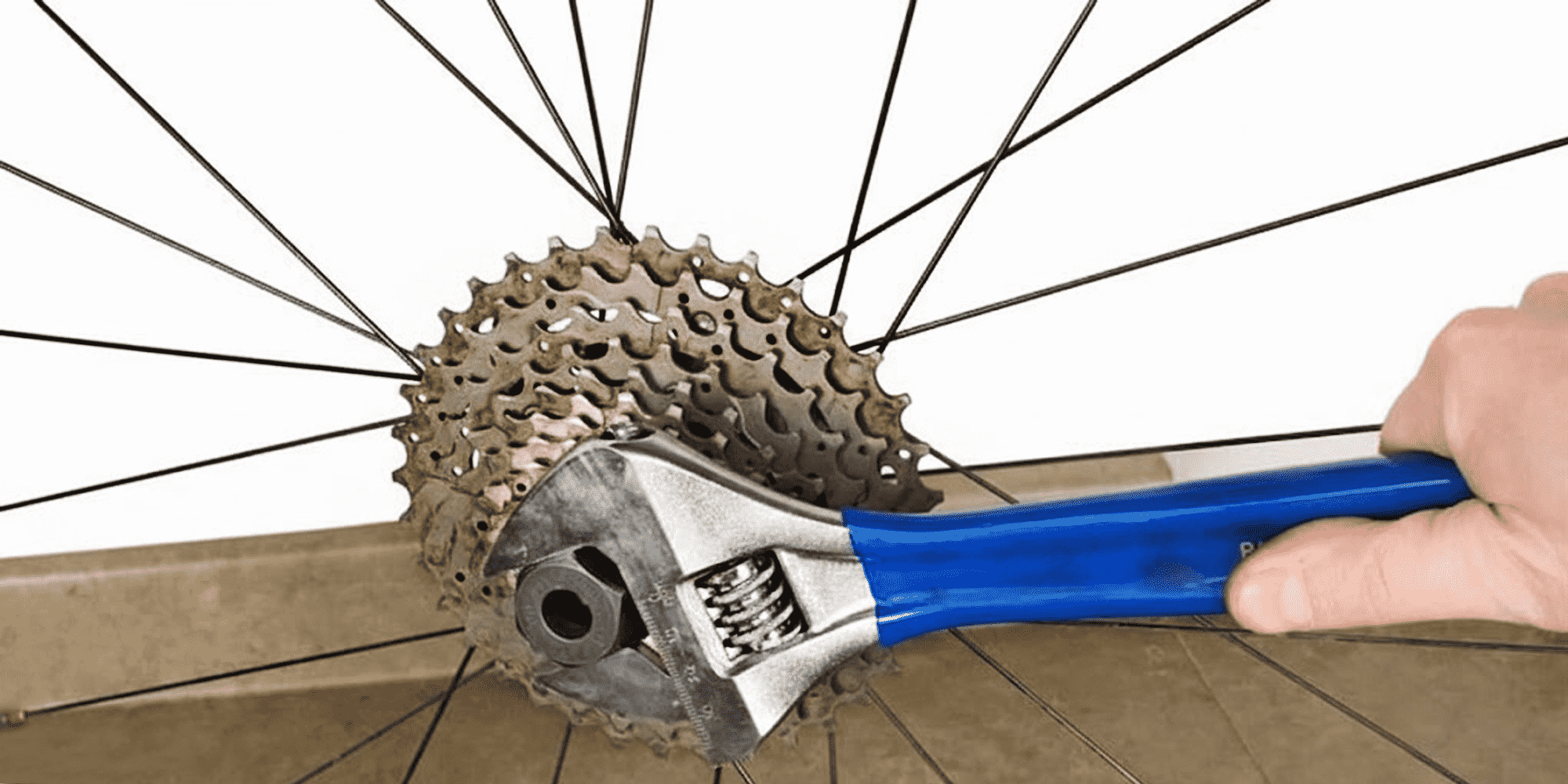
Learning how to remove a bicycle sprocket is a core skill for any cyclist. This comprehensive guide will show you how to remove the old one and...
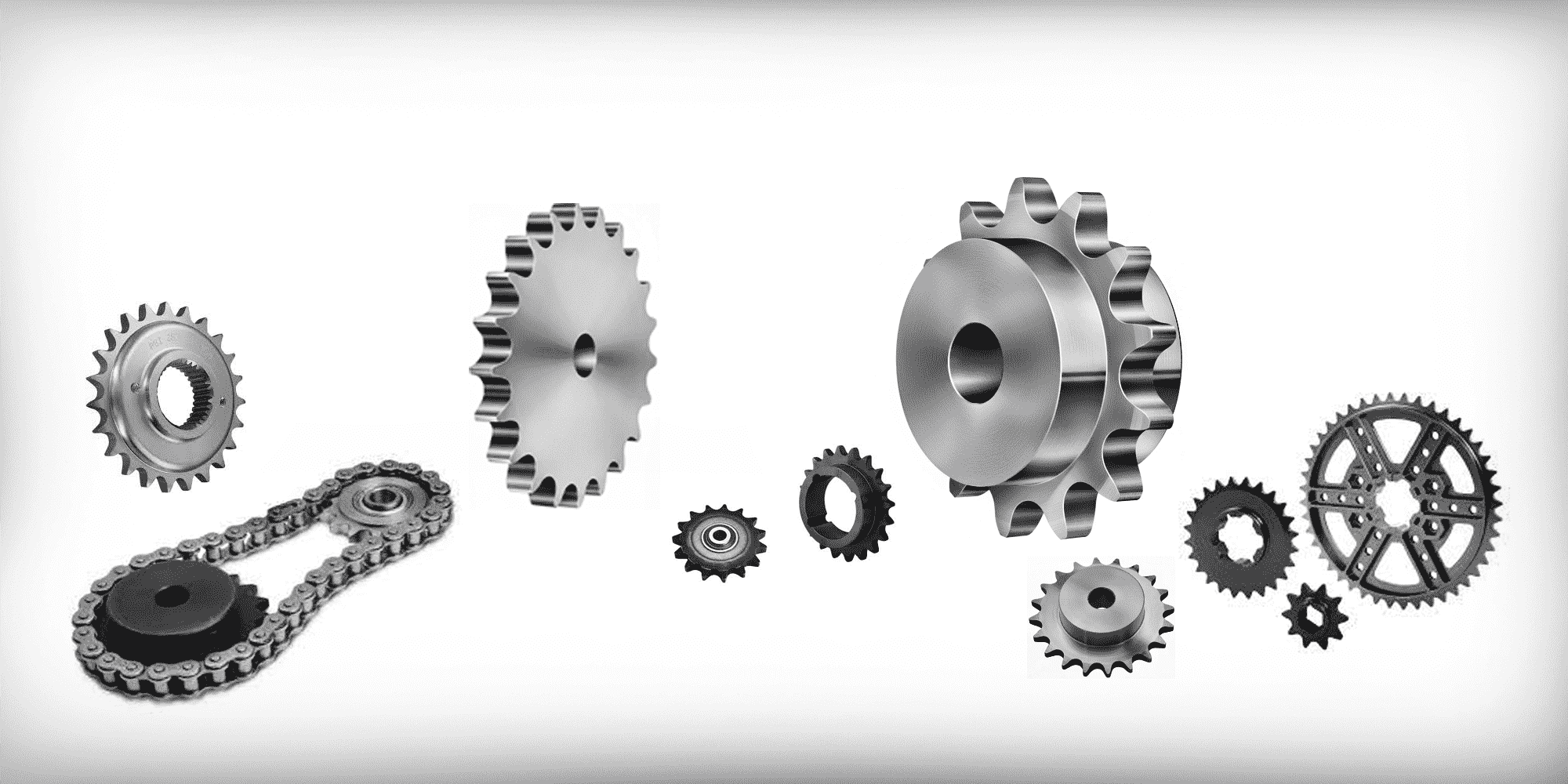
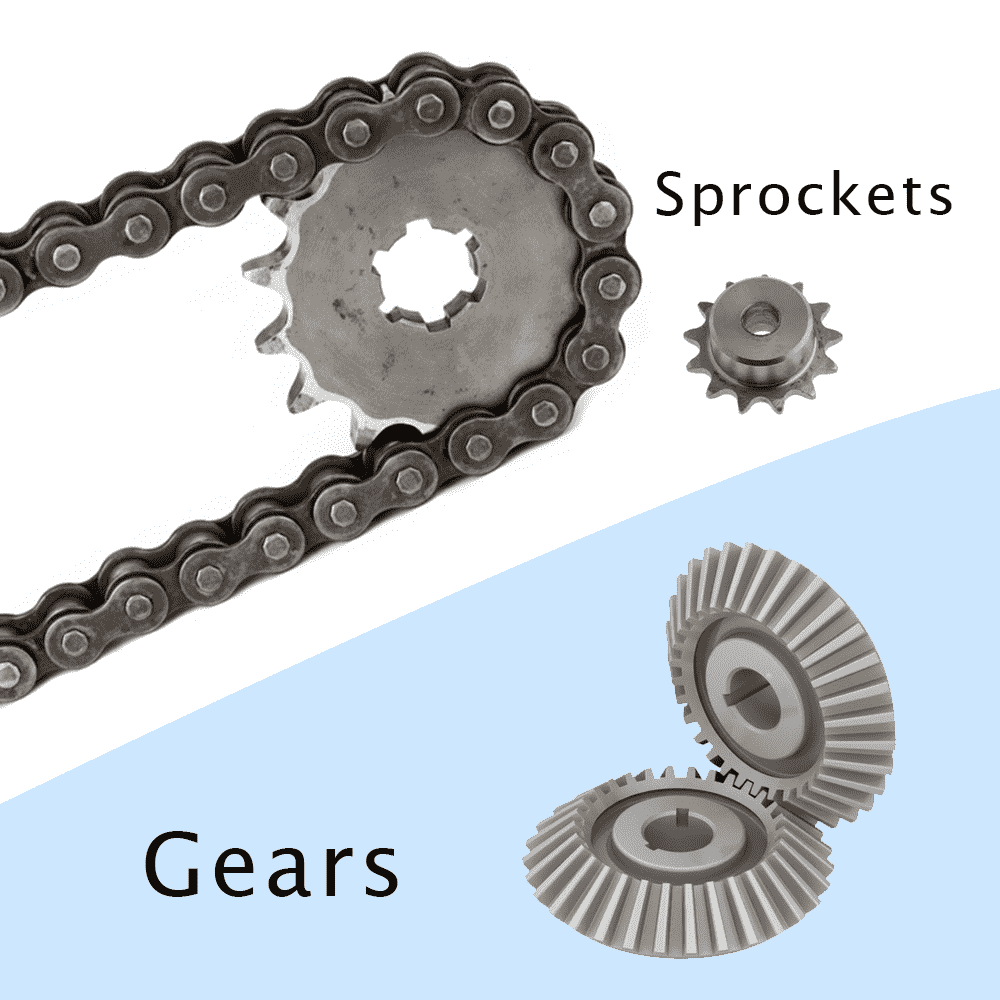
Table 1 Sprocket vs. Gear: Key Differences at a Glance
For a detailed breakdown of their differences, you can read our in-depth blog post, Sprockets vs. Gears: Key Differences, Uses, and When to Choose Which.
You'll find them on everything from bicycles and conveyors to heavy industrial equipment.
Unlike belts, sprockets provide a positive lock with the chain, and unlike gears, they don't require millimeter-perfect spacing.
Here's how they work, the types available, and how to pick the right one.
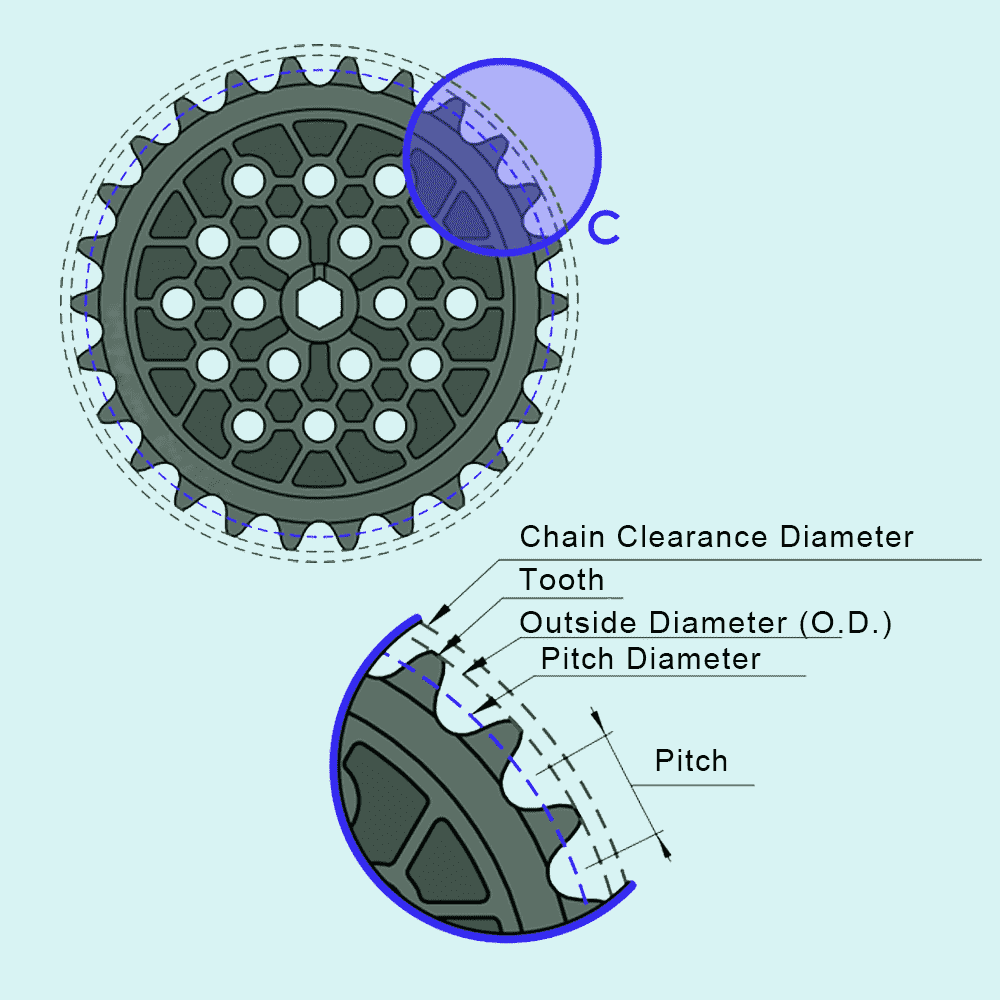
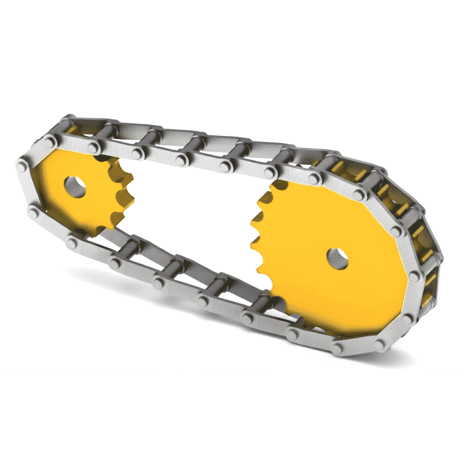
Sprockets transfer power through positive engagement with a roller chain.
The Mechanism: As the sprocket rotates, each tooth smoothly "pockets" a chain roller. This direct mechanical connection pulls the chain forward in perfect sync.
Pitch Alignment: For the system to run efficiently, the distance between teeth must exactly match the chain's pitch. This ensures seamless engagement and prevents the chain from "climbing" the teeth.
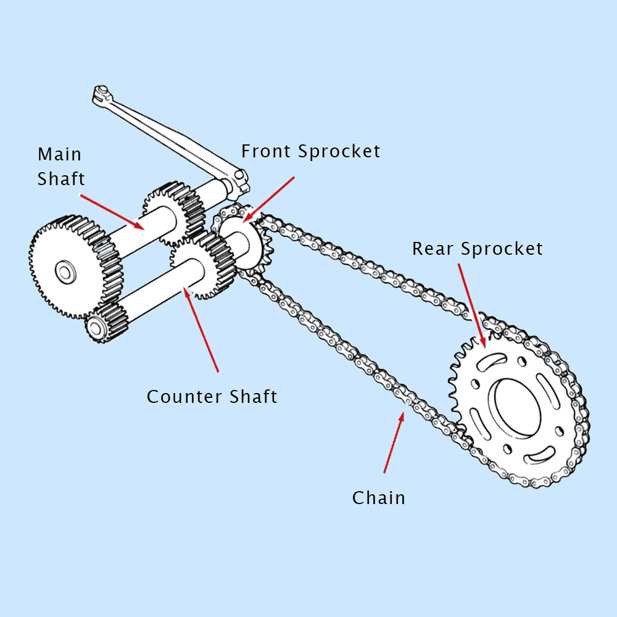
Figure: A detailed view of positive engagement. Notice how the sprocket teeth precisely cradle each chain roller, ensuring zero slip and synchronous power transfer.
Motorcycle chain drive system diagram showing sprockets and shafts
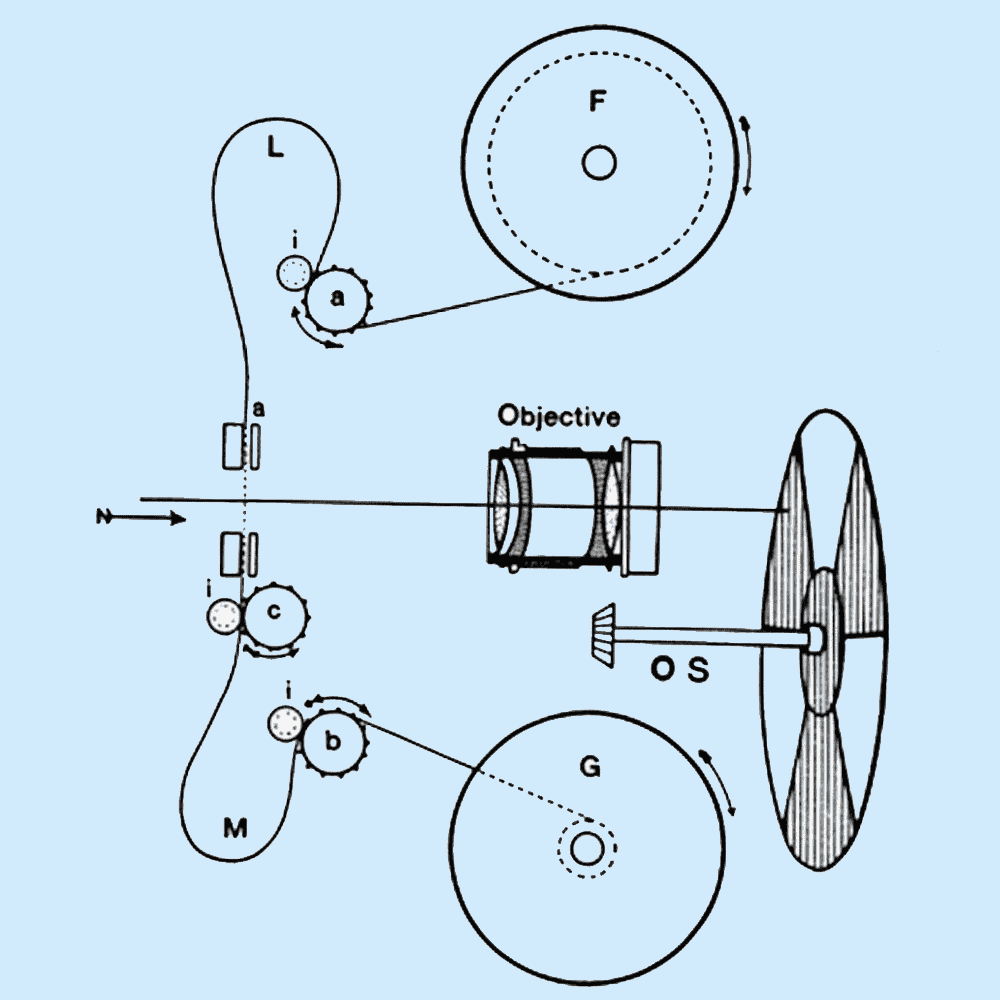
According to Wikipedia, film projectors from 1914 demonstrate sprocket precision.
The diagram below shows three sprocket wheels (a, b, c) that grip the film's perforations.
Sprockets a and b move at uniform velocity to transport the film. Sprocket c indexes each frame precisely into the gate for projection.
Pro Tip: Manufacturing Tolerances
High-quality sprockets are manufactured to precise tolerances to ensure smooth chain engagement.
Typically, the tooth profile tolerance is maintained within ±0.002" to ±0.005". Matching the pitch is critical, as a mismatch of even 1% in pitch length can lead to accelerated wear on both the chain and the sprocket teeth.
Use these essential formulas for sprocket sizing and system layout:
P.D. = Pitch ÷ sin(180° / N)
Where:
P = Chain Pitch
N = Number of Teeth.
Example:
For a #40 chain (0.5" pitch) with 20 teeth: P.D. = 0.5" ÷ sin(180°/20) ≈ 3.196 inches.
O.D. ≈ P.D. + Roller Diameter
Quick Estimation:
O.D. ≈ P.D. + (0.625 × Pitch)
Example for #40 chain:
Exact: 3.196" + 0.312" = 3.508"
Quick estimate: 3.196" + 0.313" ≈ 3.51"
Note:
These formulas are based on ANSI B29.1 standards. For center distance calculations and complex drive layouts, consult manufacturer engineering guides.
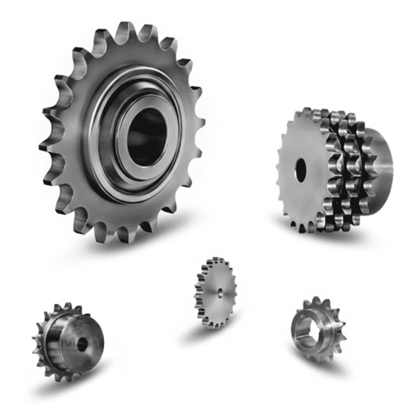
The world of sprockets is highly varied, with designs tailored for specific load requirements and mounting needs.
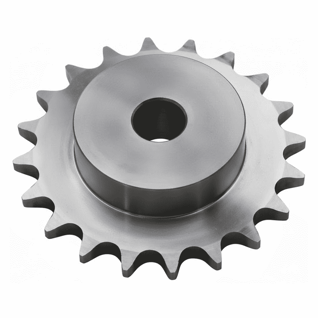
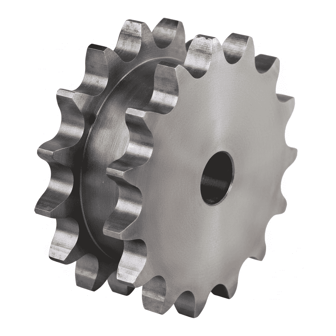
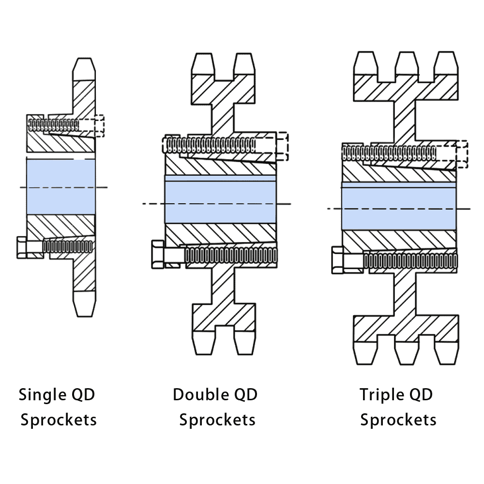
The number of rows of teeth determines the load capacity and power density of the system:
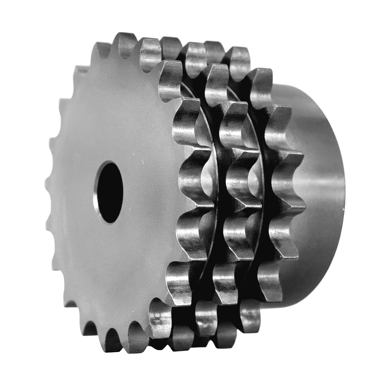
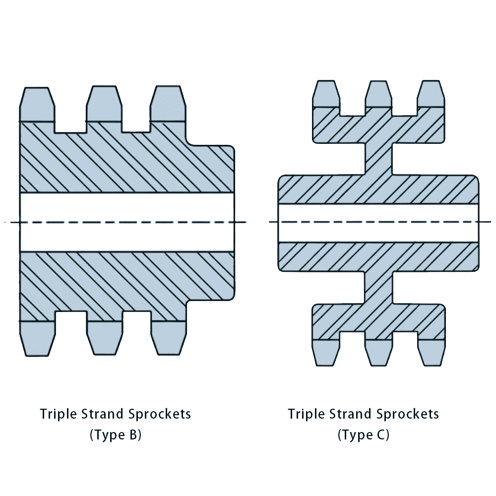
Load Distribution & Capacity:
Selecting multiple strands significantly increases the system's power density.
According to industrial standards:
Note:
Actual ratings may vary based on chain pitch, operating speed, and lubrication, following standard multi-strand factor guidelines.
Design Rule:
For high-speed applications, it is recommended to use a driving sprocket with at least 17 to 21 teeth.
This helps minimize the "polygon effect" (the speed fluctuation caused by the chain's jointed nature) and reduces harmful system vibration.
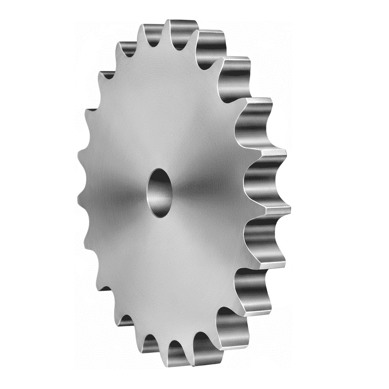

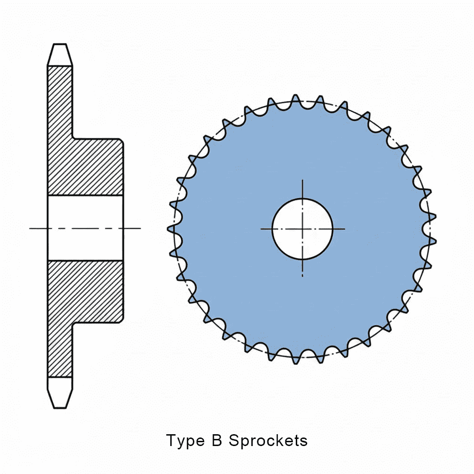
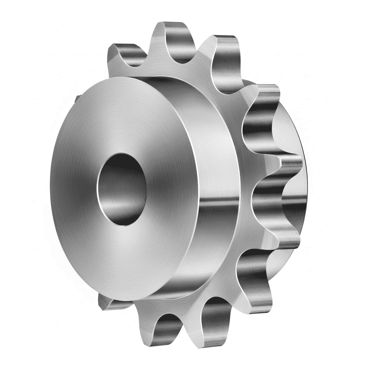
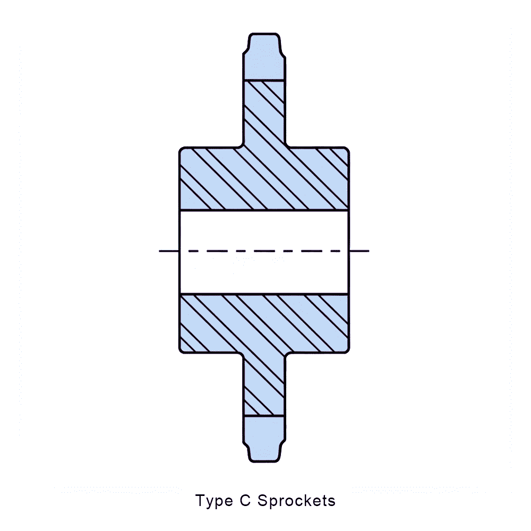
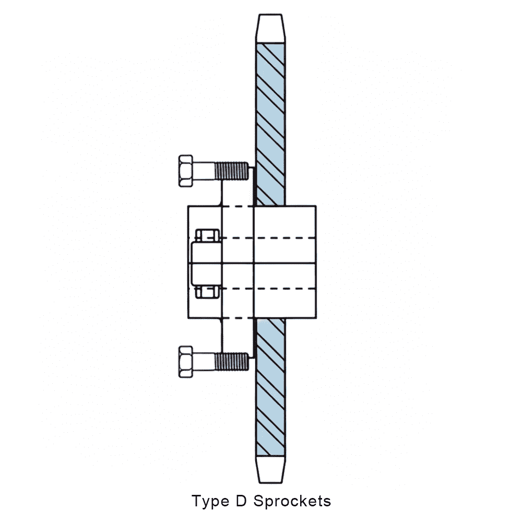
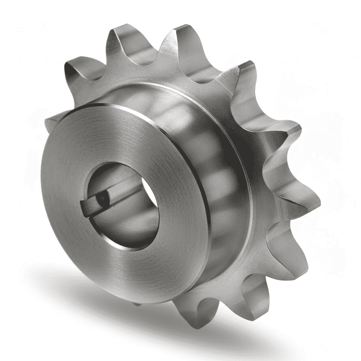
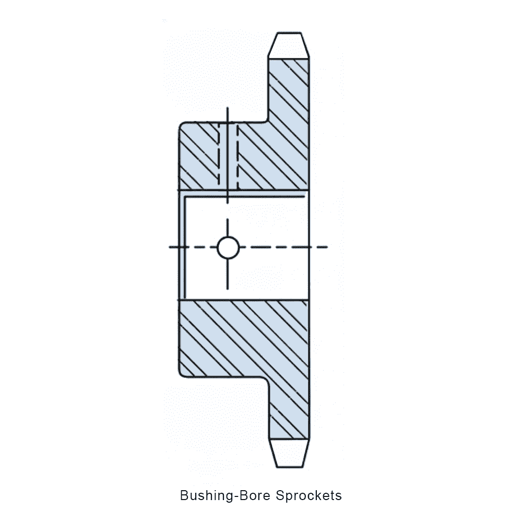
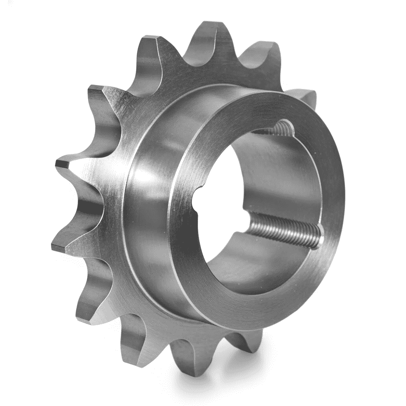
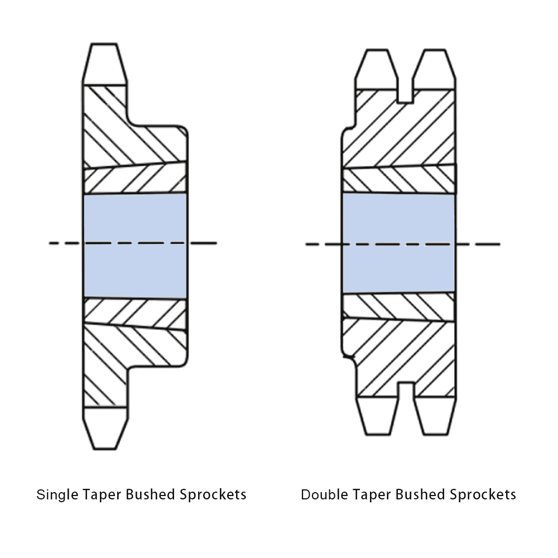
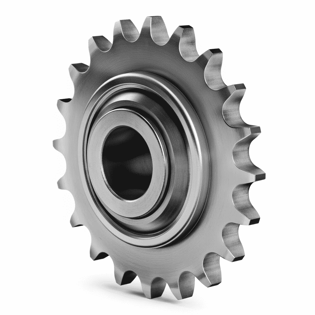
The way a sprocket attaches to a shaft defines its mounting configuration:
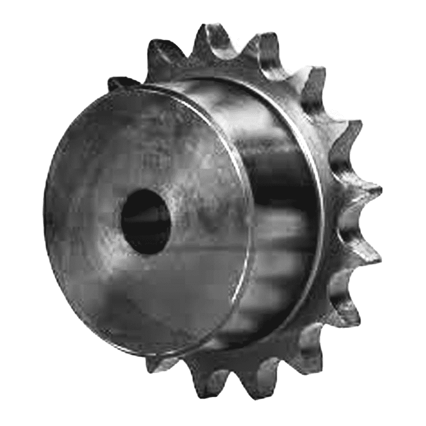
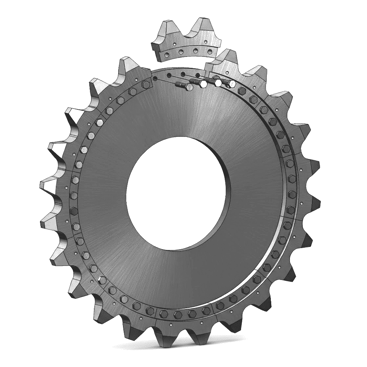
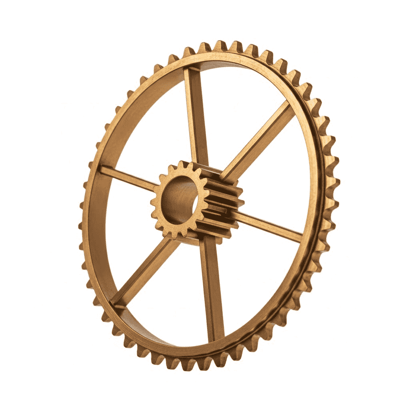
Selecting the right sprocket material is a balancing act, weighing factors like operating environment, load, and expected service life.
Highly durable and versatile, steel is the go-to for heavy-duty power transmission.
Note:
Steel sprockets are highly thermal-stable, operating reliably in temperatures from -20°C to +150°C (depending on lubrication type).
Sprockets are integral to motion control across countless industries.
When designing or maintaining a chain drive system, focus on these four key selection criteria:
ANSI (American National Standards Institute) Roller Chain: The inch-based standard, common in the US and many industrial applications. (e.g., #35, #40, #50, #60).
→ Explore our range of Sprockets for ANSI Roller Chain.
Metric Roller Chain (ISO Standard): This system measures in millimeters instead of inches. Most countries use it, including those in Europe and Asia. Common sizes include 08B, 10B, and 12B.
→ Explore our range of Sprockets for Metric Roller Chain.
Maintenance & Replacement
When to Replace? A sprocket should be inspected whenever a chain is replaced.
If the chain has reached an elongation (stretch) of 1.5% to 3%, it is time for a full system overhaul.
Installing a new chain on a worn sprocket will reduce the new chain's life by 40-60%.
Sprockets are fundamental mechanical components that efficiently convert rotational power into controlled motion.
Correct selection of hub types and proper maintenance ensure optimal performance in any chain drive system.
Require custom solutions for your specific application? Contact our engineers for expert guidance.
 Robert : Nov 14, 2025 1:29:35 AM
Learning how to remove a bicycle sprocket is a core skill for any cyclist. This comprehensive guide will show you how to remove the old one and...
 Robert : Feb 26, 2026 1:12:58 AM
In any power transmission setup, the relationship between the chain and the sprocket is symbiotic. While much attention is often given to chain...
 Richard : Feb 6, 2026 1:22:18 AM
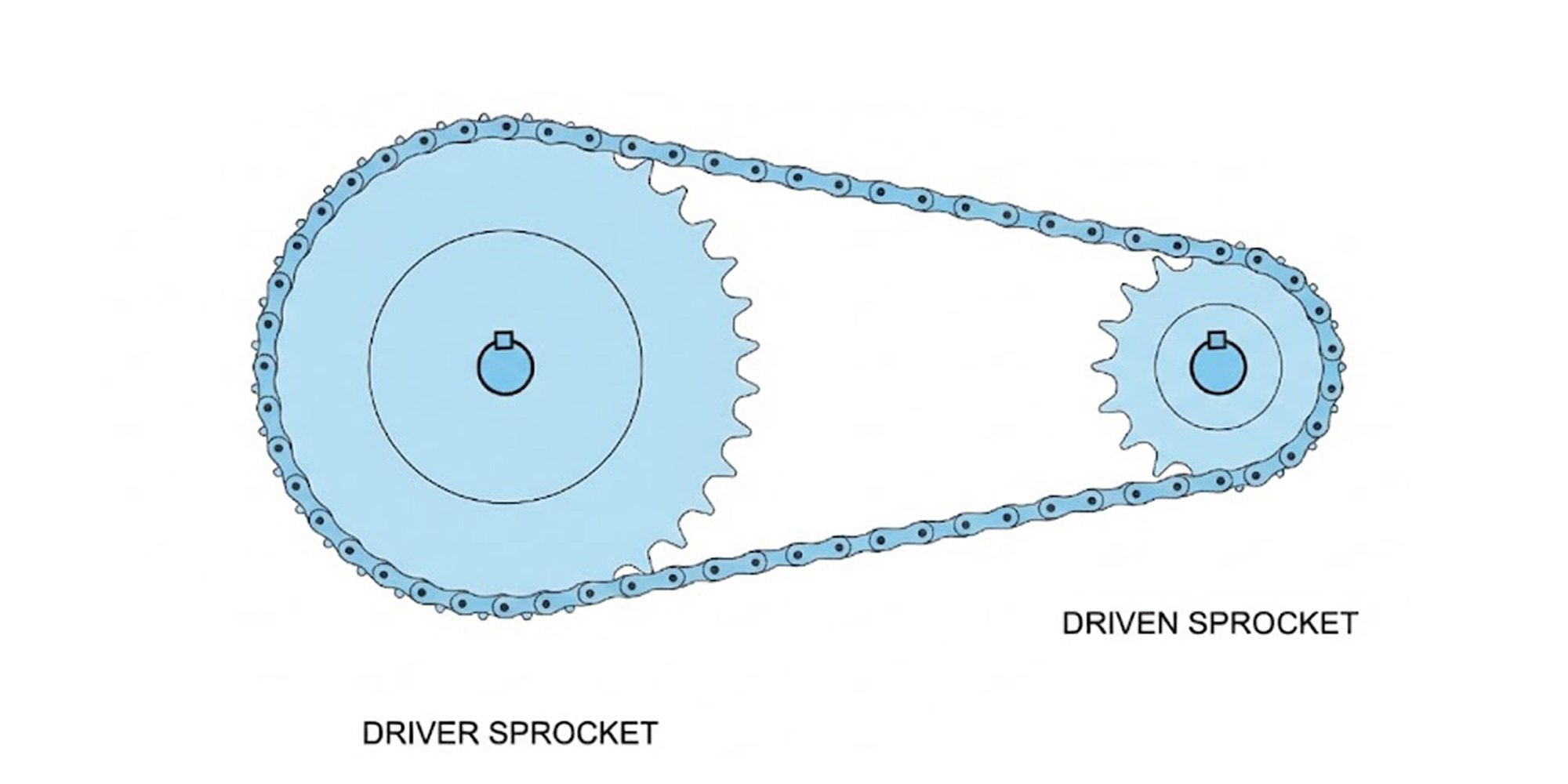
In roller chain drive systems, the number of teeth on the sprocket is important. It affects how well the system works. No matter what type of machine...