

What Are Springs? Focusing on Industrial Springs
If you asked a child what a spring is, they’d probably point to a clicking pen or a trampoline. But in the world of heavy machinery and precision...
8 min read
Richard
:
Jan 22, 2026 2:41:37 AM
Springs are key components in many mechanical systems. They store energy, absorb impacts, maintain applied force, and regulate motion. They are widely used in everyday products as well as in advanced machinery.
In bearing applications, springs play a vital role. They are used to apply preload and keep bearing components in constant contact. They also compensate for thermal expansion and help reduce clearance or backlash.
Springs are mechanical components that deform when a load is applied. They return to their original shape once the load is removed.
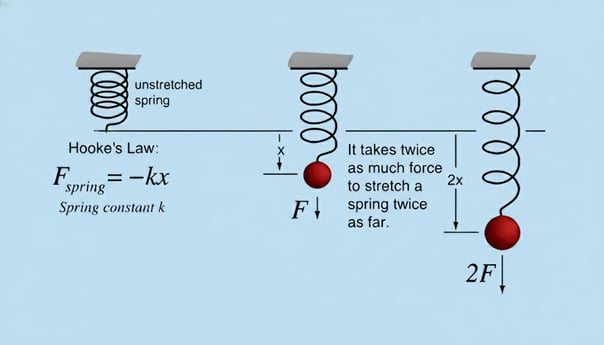
They operate according to Hooke’s Law. This means a spring produces force based on how much it is deformed. The spring will follow this relationship as long as it stays within its elastic range.
Springs are typically made from strong materials like steel alloys, copper, or titanium. These materials offer a good balance of elasticity and long-term durability.
A spring stores energy when it is subjected to a force and releases that energy once the force is removed. Generally, no matter the type, a spring will return to its original shape after the load is taken off. The behavior of springs is described by Hooke’s Law. It explains the relationship between the applied force and the spring’s elasticity.
In simple terms, Hooke’s Law states that the force needed to compress or stretch a spring is directly proportional to its displacement.
Mathematically Hooke’s Law is expressed as F= -kX,

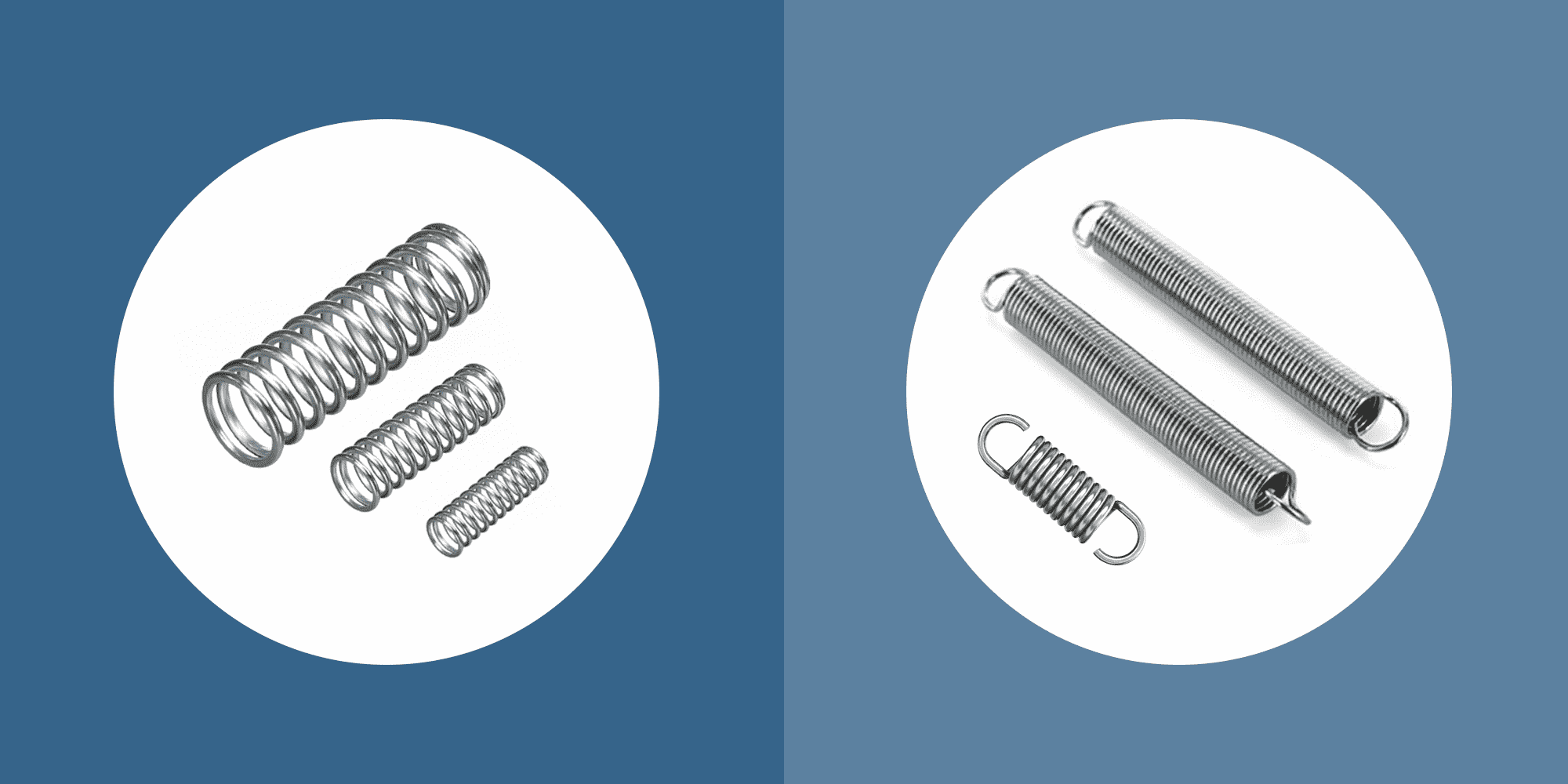
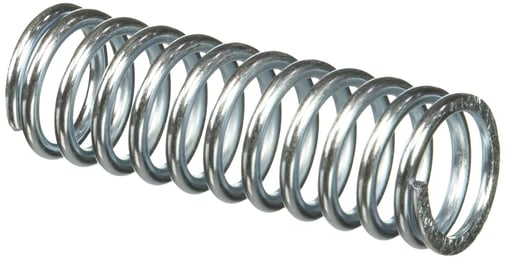
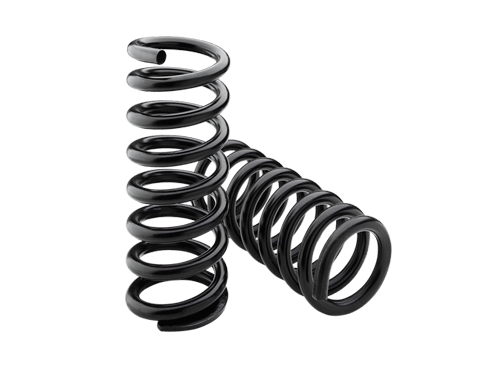
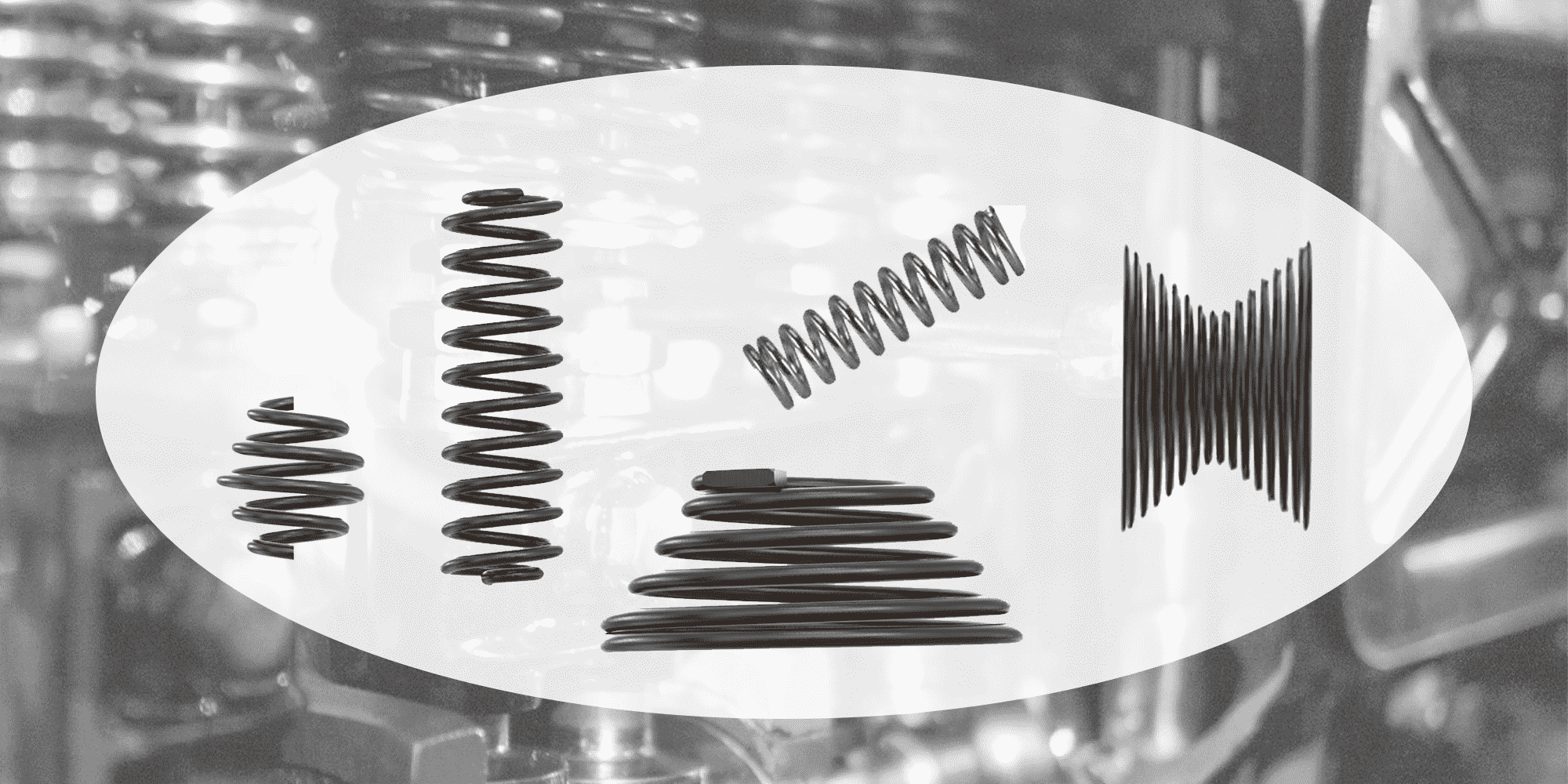
A compression spring is a mechanical device that resists being compressed. When a load or force is applied along its axis, the spring compresses, storing energy. Once the load is removed, it returns to its original length.
Typically, they are helical (coiled) springs. However, they can also be conical or barrel-shaped depending on space and load requirements.

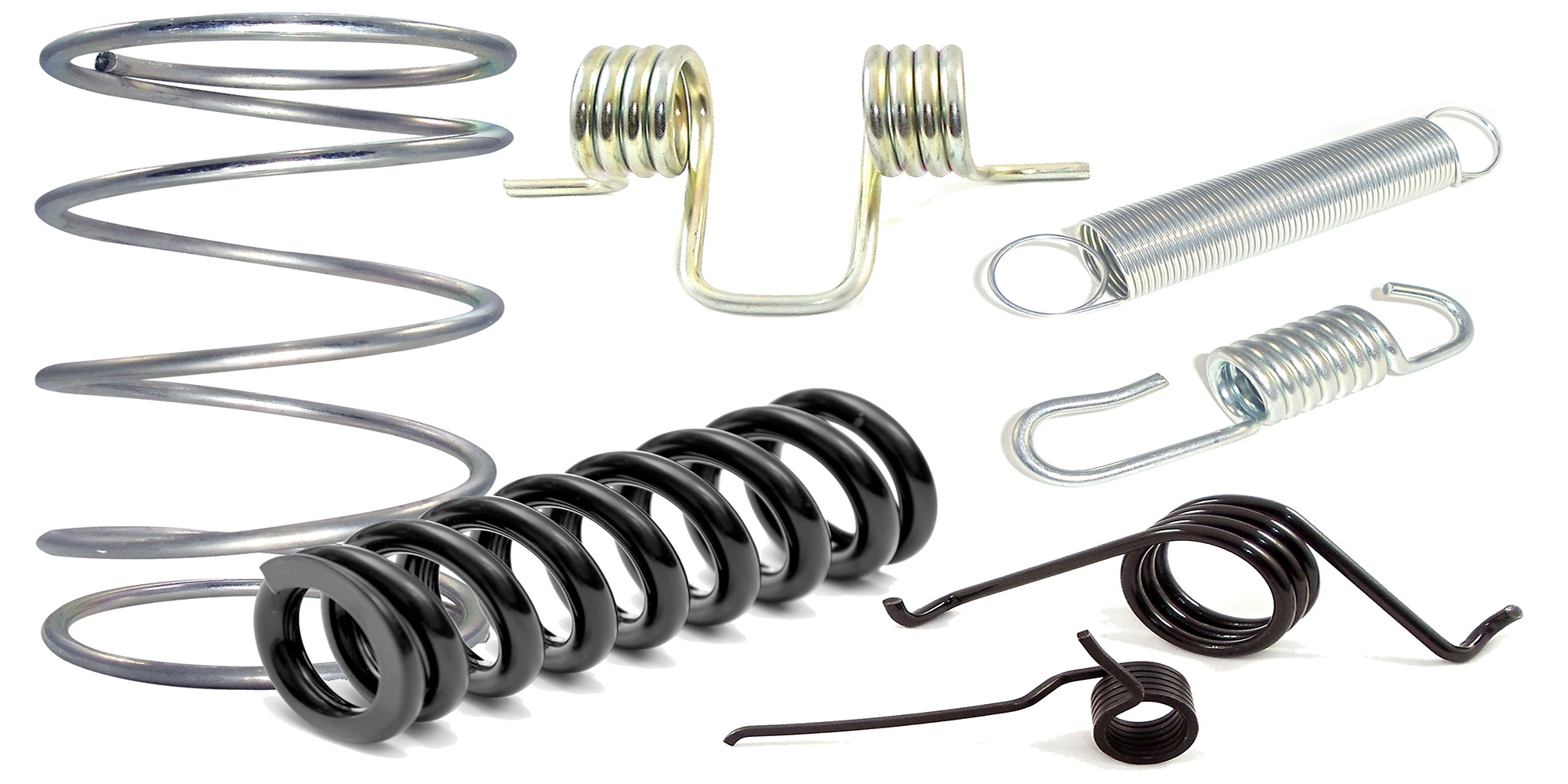
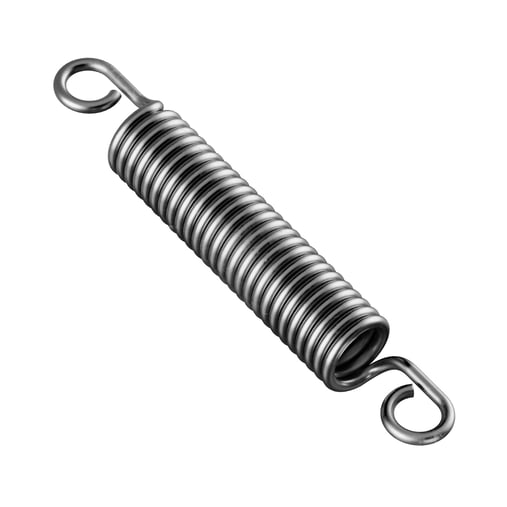
Extension springs are coiled springs built to resist pulling forces. They are tightly wound and stretch to store energy.
Each end typically features a hook or loop for attaching to various machine components. When stretched, the spring absorbs energy, and when released, it returns to its original length.
This property makes extension springs ideal for applications requiring controlled tension and movement.

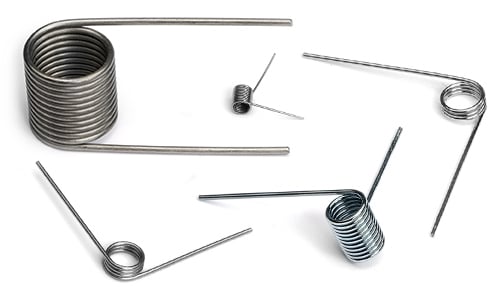
Torsion springs generate a rotational force, or torque. Their ends are twisted in opposite directions. This allows them to efficiently store and release energy. They are commonly used in applications that require precise control of movement and mechanical power.

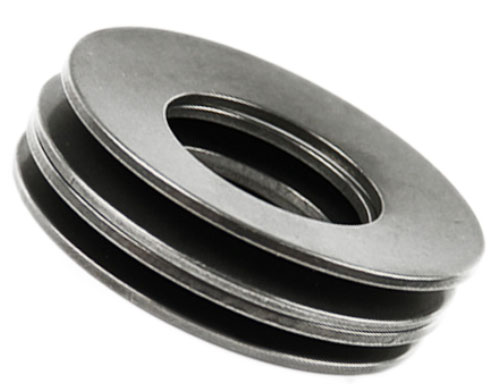
Disk springs, also known as Belleville springs or conical washers, are conically shaped springs that provide high load in a small space. Unlike helical springs, disk springs are flat but slightly cone-shaped, which allows them to compress under load and produce a strong, predictable force.

They primarily absorb shocks and distribute weight evenly. This makes them essential for heavy-duty applications. They provide the strength and reliability these tasks require.

Coil springs are versatile springs that can function under both compression and tension. While they resemble compression springs, they also have the capability to stretch as well as compress. Their design lets them return to their original shape after deformation. This makes them suitable for a wide range of industrial and mechanical applications.

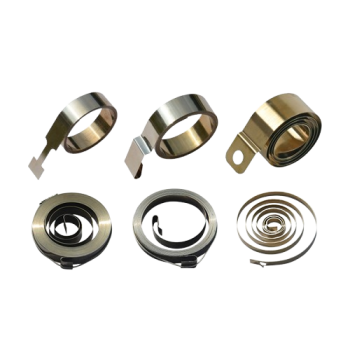
Constant force springs are made from coiled metal strips that deliver a uniform force throughout their extension. This characteristic makes them ideal for applications requiring consistent tension and reliable performance.

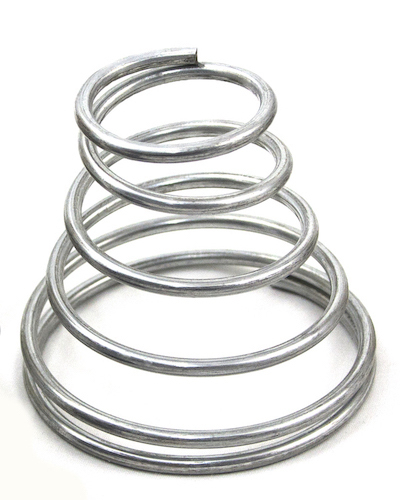
Conical springs are tapered compression springs engineered for improved stability and reliable performance under high loads. Their conical geometry enables them to compress into a compact height, making them well suited for space-constrained applications.

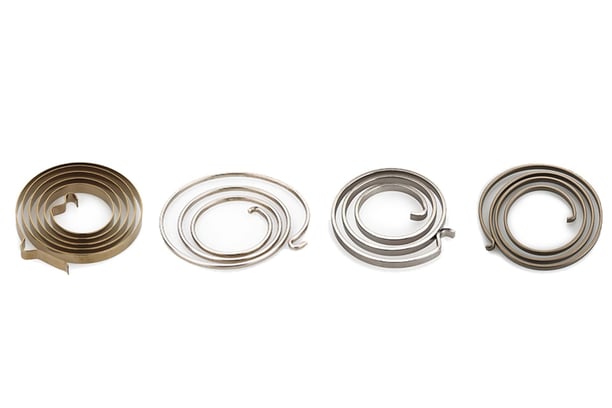
Spiral springs are made from flat metal strips formed into a spiral shape. This structure lets them efficiently store and release rotational energy. Their compact size makes them ideal for tight spaces. They are also suitable for intricate mechanical systems.

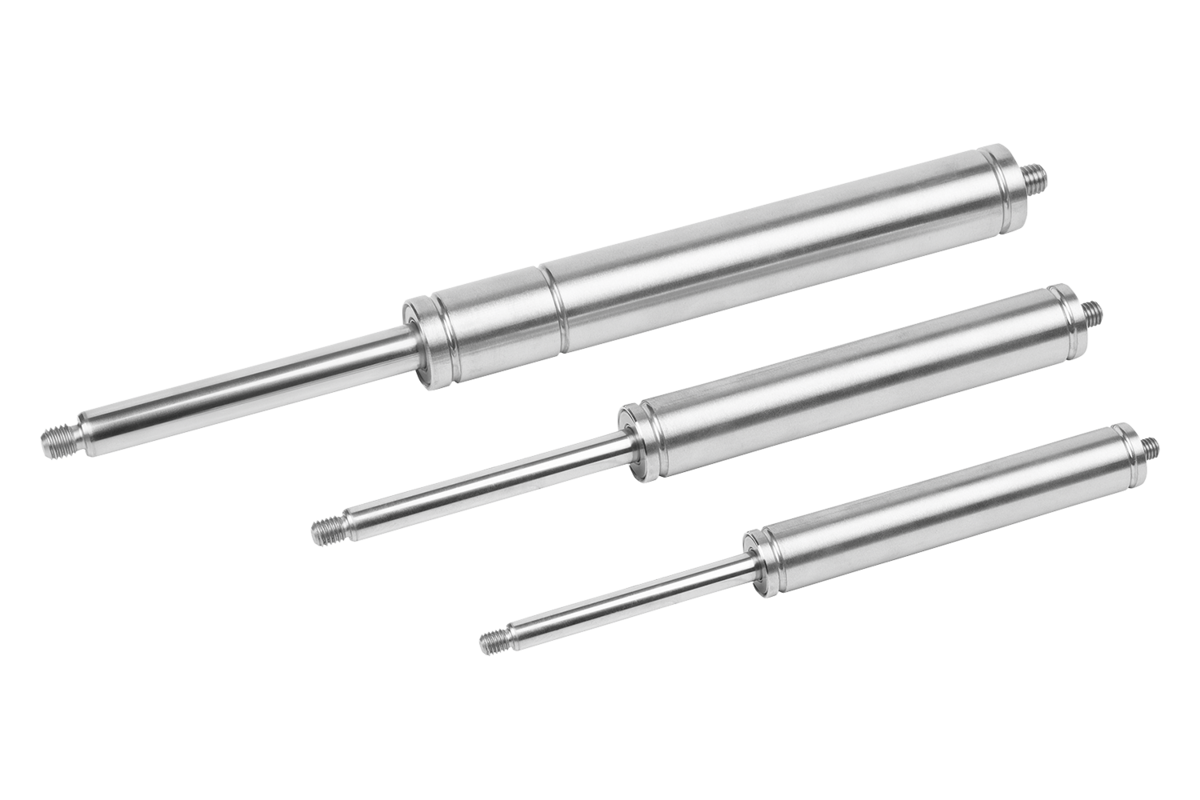
Gas springs, often called gas struts or gas cylinders, function differently from traditional springs. They rely on compressed gas to generate force, enabling smooth, controlled lifting, lowering, and positioning of objects.

Springs are critical components in products that involve movement. Their performance and characteristics can differ significantly depending on the materials used, the design approach, and the manufacturing methods. Therefore, selecting the right spring requires a careful assessment of all these factors.
Contact Lily Bearing today to discuss your requirements and get a tailored solution that keeps your equipment moving efficiently.
If you asked a child what a spring is, they’d probably point to a clicking pen or a trampoline. But in the world of heavy machinery and precision...
When you think of a "spring," the image that likely comes to mind is a compression spring. As the most common type of metal spring, these devices are...
In my years as a mechanical engineer, I’ve learned that a spring is often the most deceptive component in a bill of materials. On a CAD model, it is...