

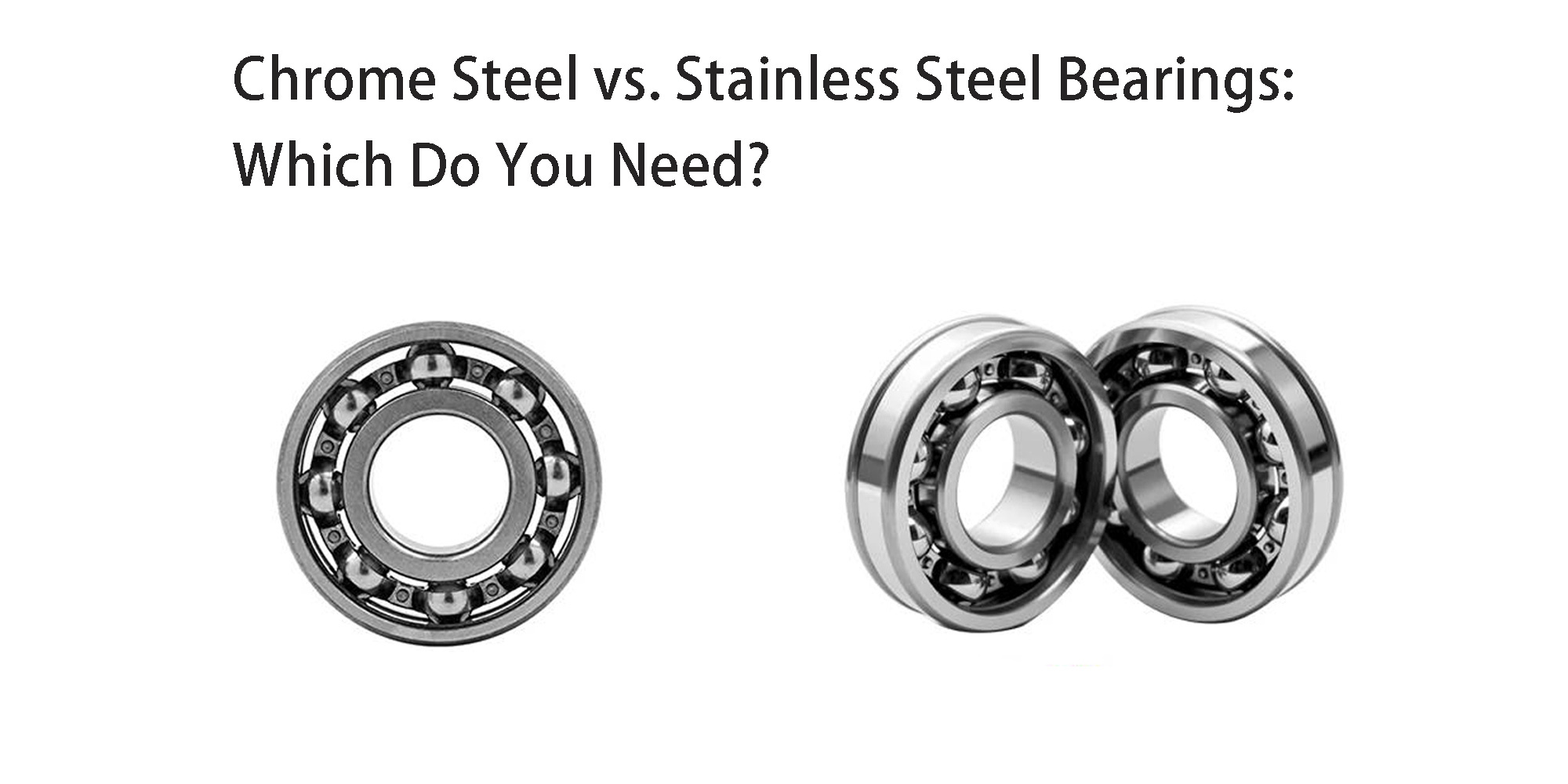
Chrome Steel vs. Stainless Steel Bearings: Which Do You Need?
Bearings are crucial for precise movement and reliability in mechanical systems. The type of material affects how well and how long a bearing works....
5 min read
Richard
:
Mar 11, 2026 1:48:26 AM
Table of Contents
If you've ever searched for bearings that can stand up to moisture, chemicals, heat, or strict hygiene requirements — stainless steel bearings are almost certainly the answer.
Used across dozens of industries worldwide, they offer a unique combination of corrosion resistance, durability, and versatility that standard chrome steel simply cannot match.
In this ultimate guide, we'll break down everything you need to know about stainless steel bearings: what they are, the different types available, the grades of stainless steel used, where they're applied, and the key benefits that make them a top choice for engineers and procurement professionals alike.
Stainless steel bearings are precision-engineered rolling elements manufactured from stainless steel alloys rather than conventional carbon or chrome steel.
The defining characteristic is the alloy's high chromium content — typically 10.5% or more — which forms a passive oxide layer on the surface, making the material highly resistant to oxidation and corrosion.
Like all bearings, they function by reducing friction between moving parts. The difference lies in where they can operate: stainless steel bearings thrive in wet, corrosive, or sanitary environments where standard bearings would quickly degrade or fail.
"Stainless steel bearings are the go-to solution wherever corrosion, contamination, or cleanliness is a concern — from ocean-going vessels to food processing lines."

Stainless steel bearings come in several configurations, each engineered for specific load types and operating conditions.
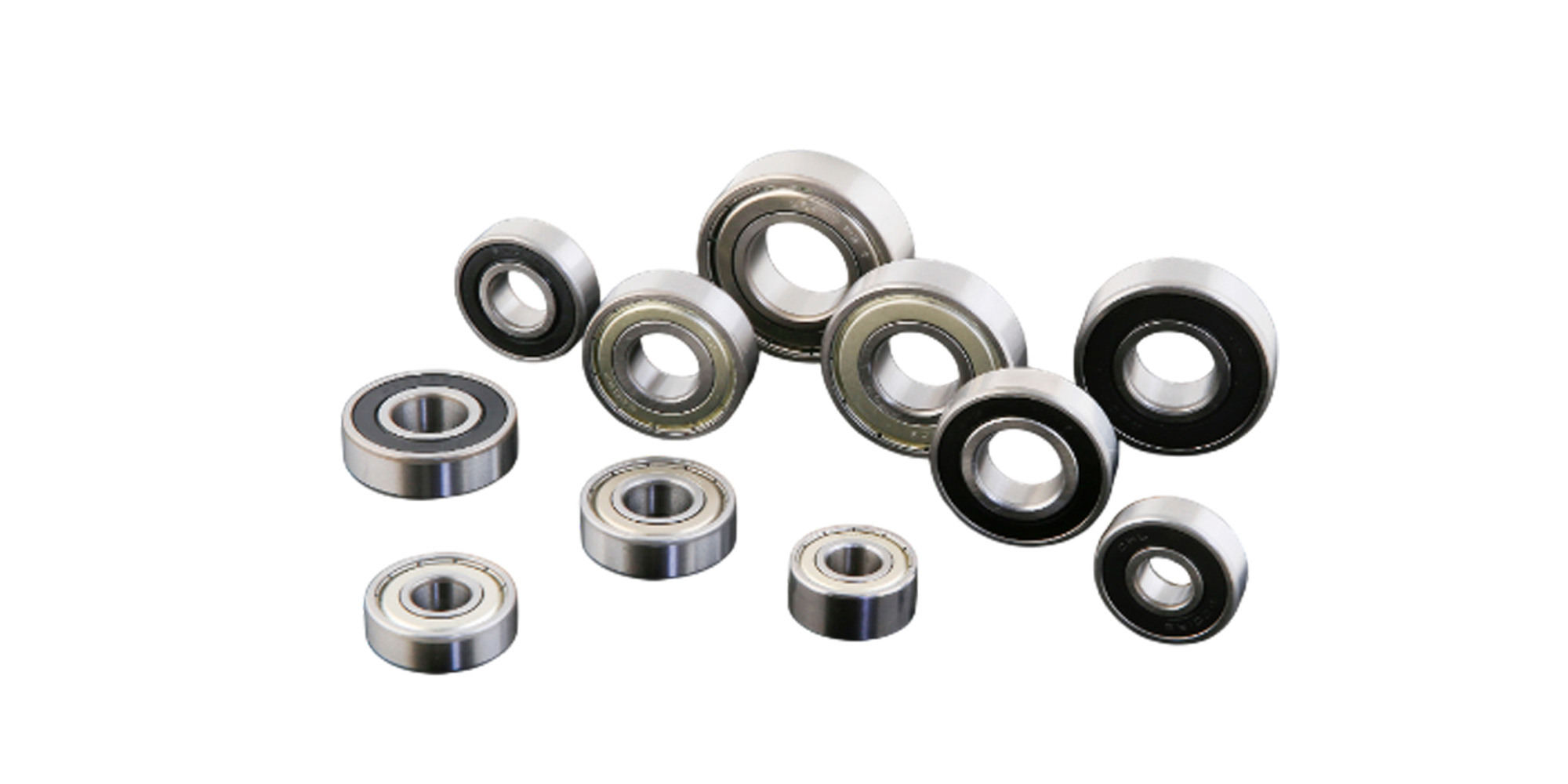
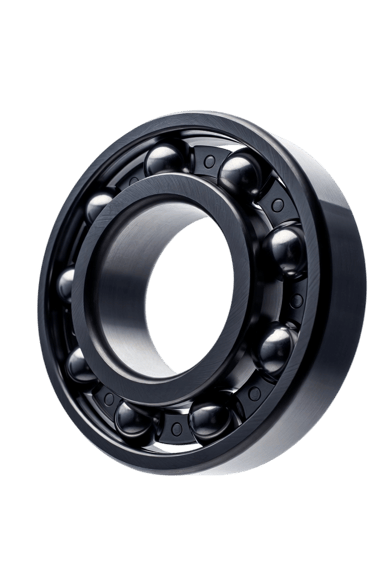
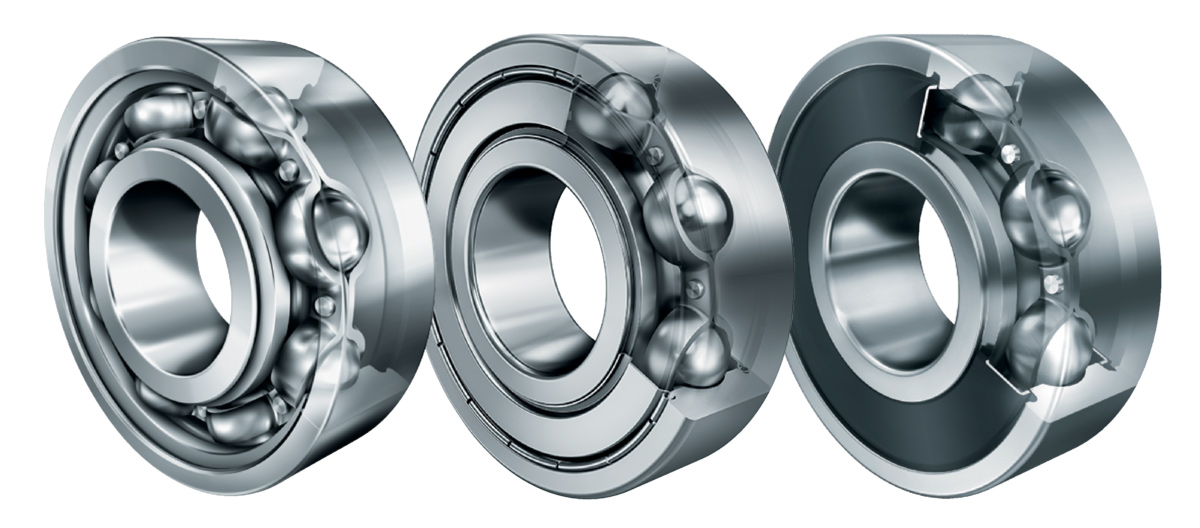
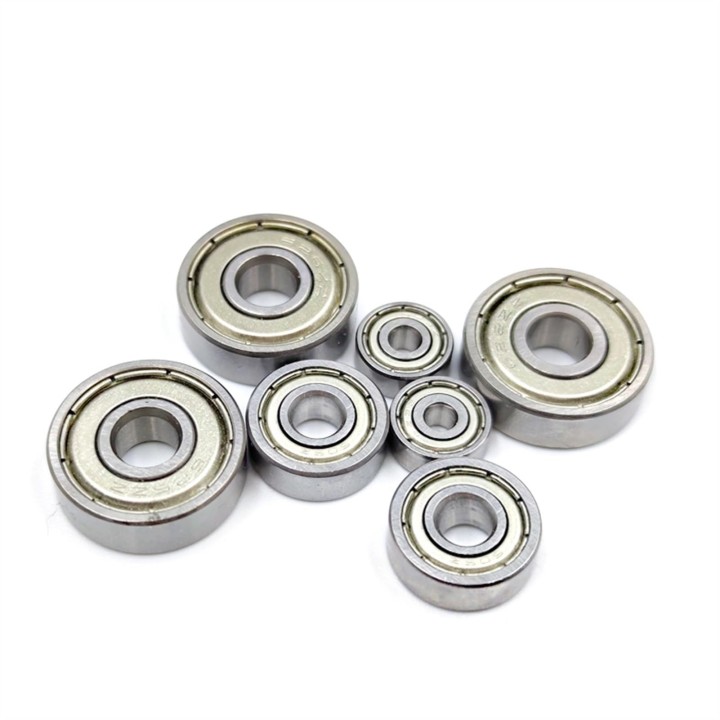
The most widely used type. They handle both radial and axial loads, are available in open, shielded (ZZ), or sealed (2RS) configurations, and suit a broad range of applications from pumps to conveyor systems.

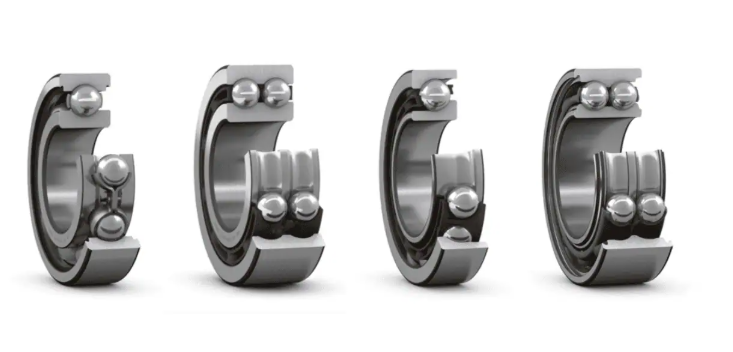
Designed for combined radial and axial loads at higher speeds. Common in precision spindles, gearboxes, and machine tool applications where rigid axial positioning is required.

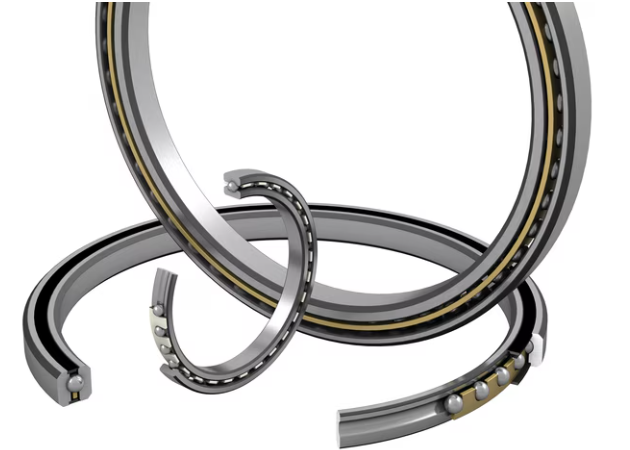
Exceptionally compact with a small cross-section relative to their bore diameter. Ideal for robotics, medical devices, and aerospace applications where weight and space are critical.

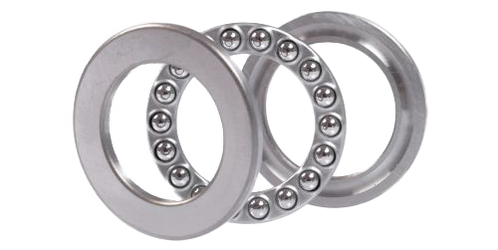
Purpose-built to carry purely axial loads. Used in automotive steering columns, marine propeller shafts, and machine tools.

Small-diameter stainless steel bearings (often under 9mm bore) used in dental instruments, watches, small motors, and precision instruments.

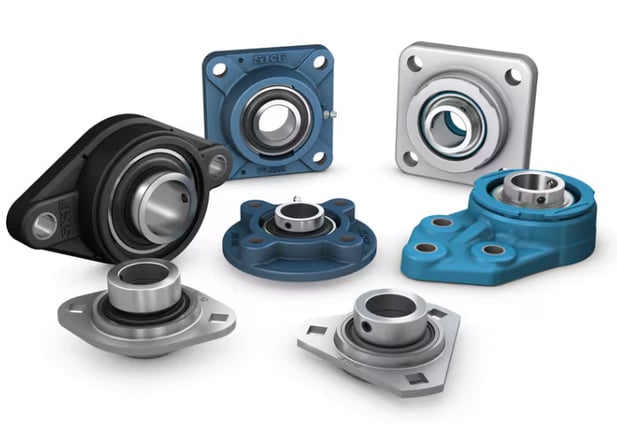
Feature a flange on the outer ring for easy mounting without additional housing. Popular in food and beverage machinery and light industrial equipment.

Not all stainless steel is the same. The grade used in a bearing dramatically affects its performance characteristics. Here are the most common grades:
|
Grade |
Common Name |
Best For |
|
AISI 440C |
High-Carbon Martensitic |
Maximum hardness, high load capacity, moderate corrosion resistance |
|
AISI 316 |
Marine-Grade / Austenitic |
Excellent corrosion resistance, food-grade, non-magnetic |
|
AISI 304 |
Standard Austenitic |
General corrosion resistance, cost-effective, non-magnetic |
|
17-4 PH |
Precipitation Hardened |
High strength + good corrosion resistance, aerospace & medical |
440C is the most popular grade for bearings requiring hardness and load capacity. For environments demanding maximum corrosion resistance — such as marine or food processing — 316 stainless is preferred.
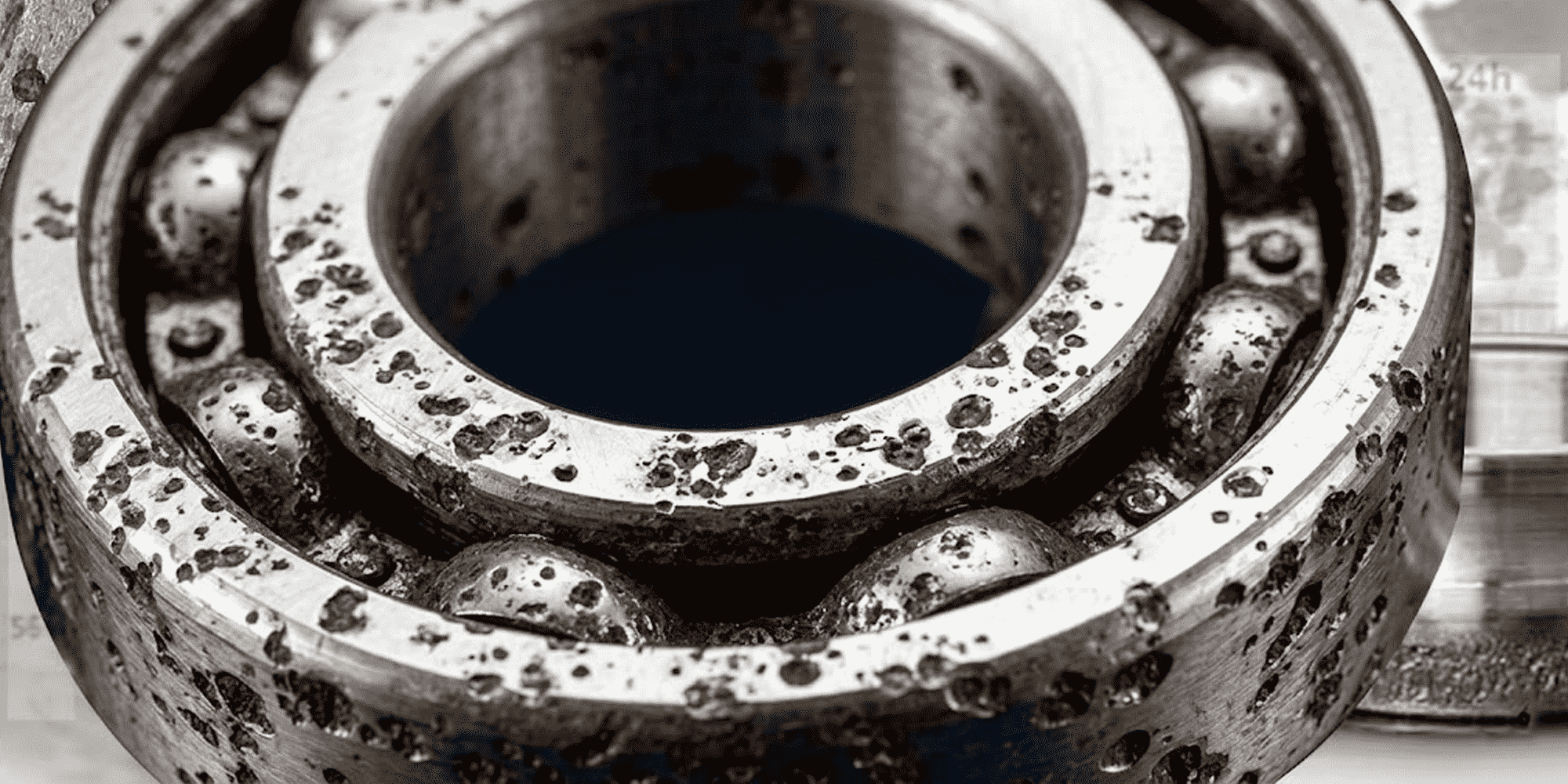
The most significant advantage. Stainless steel bearings resist rust, oxidation, and chemical attack far better than chrome steel alternatives, making them essential in wet, humid, salty, or chemically aggressive environments.
316 and 304 stainless bearings meet food-grade requirements and are approved for use in direct and indirect food contact applications. They can withstand regular washdowns, cleaning agents, and steam sterilization without degrading.
Austenitic grades (304, 316) are non-magnetic, making them suitable for MRI machines, electronics manufacturing, and applications where magnetic interference must be avoided.
Stainless steel bearings perform reliably across a broader temperature range than standard steel bearings, from cryogenic applications down to -200°C up to +300°C and beyond in some high-temp variants.
By resisting the corrosion and pitting that prematurely destroys conventional bearings, stainless steel bearings deliver longer operational life — reducing downtime and total cost of ownership.
For visible or consumer-facing applications, the bright, clean finish of stainless steel bearings provides a professional appearance without surface coatings that could chip or peel.
Stainless steel bearings are used wherever standard bearings fall short. Key sectors include:
Food & Beverage Processing — washdown-resistant bearings for conveyor lines, mixers, and packaging equipment
Marine & Offshore — saltwater corrosion resistance for winches, propeller shafts, and deck equipment
Medical & Pharmaceutical — non-magnetic, sterile-compatible bearings for surgical tools, lab equipment, and drug manufacturing
Chemical & Petrochemical — resistance to aggressive fluids and vapors in pumps, valves, and agitators
Aerospace & Defense — lightweight, high-strength bearings for flight systems and precision instruments
Semiconductor & Electronics — non-magnetic, clean-room compatible bearings for wafer handling and precision positioning
Automotive — corrosion-resistant bearings for components exposed to road salt and moisture
Water Treatment — continuous exposure to water and chemicals in pumps and filtration systems
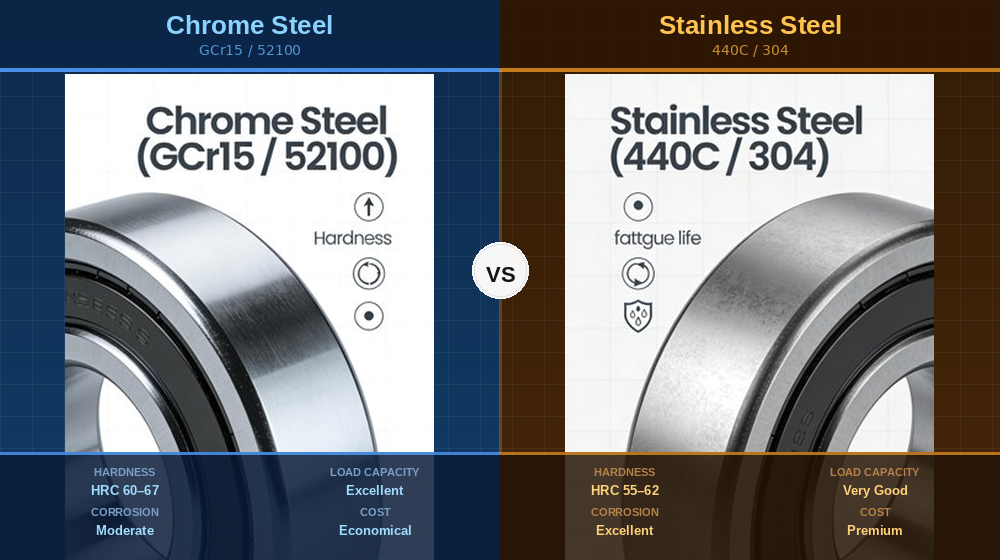
Choosing between stainless steel and chrome steel (52100) comes down to your operating environment and priorities:
|
Property |
Stainless Steel (440C) |
Chrome Steel (52100) |
|
Corrosion Resistance |
Excellent |
Poor (needs lubrication) |
|
Hardness |
High (58-62 HRC) |
Very High (60-65 HRC) |
|
Load Capacity |
Very Good |
Excellent |
|
Cost |
Higher |
Lower |
|
Magnetic |
No (austenitic grades) |
Yes |
|
Food Safe |
Yes (316 grade) |
No |
Bottom line: if your application involves any exposure to moisture, chemicals, or strict sanitary requirements, stainless steel is the superior choice despite the higher upfront cost.

Selecting the correct bearing involves evaluating several key factors:
Environment — Is there exposure to water, chemicals, salt, or food contact? This determines the grade (316 vs 440C).
Load Type — Radial, axial, or combined loads? This determines the bearing type (deep groove, angular contact, thrust).
Speed — High-speed applications require precision grades (ABEC 5 or higher) and appropriate lubrication.
Temperature — Extreme heat or cold may require special lubrication or cage materials.
Magnetic Sensitivity — Need non-magnetic? Select 304 or 316 austenitic grades, not 440C which is slightly magnetic.
Sealing — Open bearings need external lubrication; sealed (2RS) or shielded (ZZ) types offer protection in contaminated environments.
Size & Precision — Match to dimensional standards (ISO, ABEC) required by your application.
Pro Tip: When in doubt, consult your bearing supplier with your operating conditions — temperature range, load profile, speed (RPM), and environment. A specialist can quickly narrow down the ideal specification.
While stainless steel bearings are more robust than standard alternatives, proper maintenance maximizes their lifespan:
Lubrication — Use food-grade lubricants in food processing environments. Even corrosion-resistant bearings benefit from appropriate lubrication to reduce friction and wear.
Cleaning — Rinse with approved solvents or water after exposure to aggressive chemicals. Avoid chloride-based cleaners on 304 or 440C bearings.
Storage — Store in dry, controlled environments. Although stainless resists corrosion, prolonged contact with standing water in storage can cause surface staining.
Inspection — Periodically check for unusual noise, vibration, or increased running temperature — early signs of wear or contamination.
Replacement Intervals — Establish planned maintenance schedules based on manufacturer life calculations (L10 life) for your load and speed conditions.
Not entirely. While highly corrosion resistant, stainless steel bearings can still show surface staining or pitting in extreme chloride environments (e.g., saltwater spray). 316 grade offers the best resistance in these conditions.
Yes. Standard stainless steel bearings operate up to approximately 120°C–150°C. Special high-temperature variants with appropriate cage materials and lubricants can function up to 300°C or beyond.
440C is a martensitic stainless with high hardness and good load capacity but moderate corrosion resistance. 316 is an austenitic grade with outstanding corrosion resistance (especially against chlorides) but lower hardness. 440C suits heavy-load mechanical applications; 316 is preferred for marine, medical, and food processing environments.
It depends on the grade. Austenitic grades (304, 316) are non-magnetic. Martensitic grade 440C is slightly magnetic. If magnetic neutrality is critical, specify 316 or 304 stainless explicitly.
Typically 2–5x more expensive depending on grade and size. However, the longer service life and reduced replacement frequency in corrosive environments often deliver a lower total cost of ownership.
Stainless steel bearings represent one of the most versatile and reliable solutions available to engineers working in demanding environments.
Whether you're designing equipment for food processing, marine operations, pharmaceutical manufacturing, or any other corrosion-prone application, the right stainless steel bearing can dramatically extend equipment life, reduce maintenance costs, and ensure compliance with hygiene standards.
Key takeaways from this guide: choose 440C for maximum mechanical performance, 316 for maximum corrosion resistance and food-grade compliance, and always match the bearing type to your specific load and speed requirements.
Ready to find the right stainless steel bearing for your application? Contact our engineering team for a free consultation or browse our full range of stainless steel bearings.
Bearings are crucial for precise movement and reliability in mechanical systems. The type of material affects how well and how long a bearing works....
Advancement of Skateboard Bearing Technology Believe it or not, advancements in skateboard bearing size technology have pushed the envelope of...
Stainless steel has a strong reputation for being corrosion resistant. So it can come as a real surprise when stainless steel bearings start failing...