

 Robert
Silicon Nitride Balls: Properties & Uses
 Richard : Aug 27, 2025 11:19:57 PM
Silicon nitride balls are ceramic balls made from silicon nitride, a strong and heat-resistant material. They are used in precision bearings for...
When it comes to aerospace engineering, there is absolutely no room for failure.
Every component, no matter how small, must work perfectly in extreme conditions. These include intense heat, heavy stress, fast rotation, and harsh chemicals.
In this unforgiving world, the materials and components chosen can mean the difference between mission success and catastrophic failure.
Among many innovations shaping modern aerospace technology, silicon nitride balls are key and game-changing parts in bearing systems.
These advanced ceramic balls are made from silicon nitride (Si₃N₄). They are changing what is possible in aerospace. They deliver reliability, performance, and durability beyond traditional steel balls.
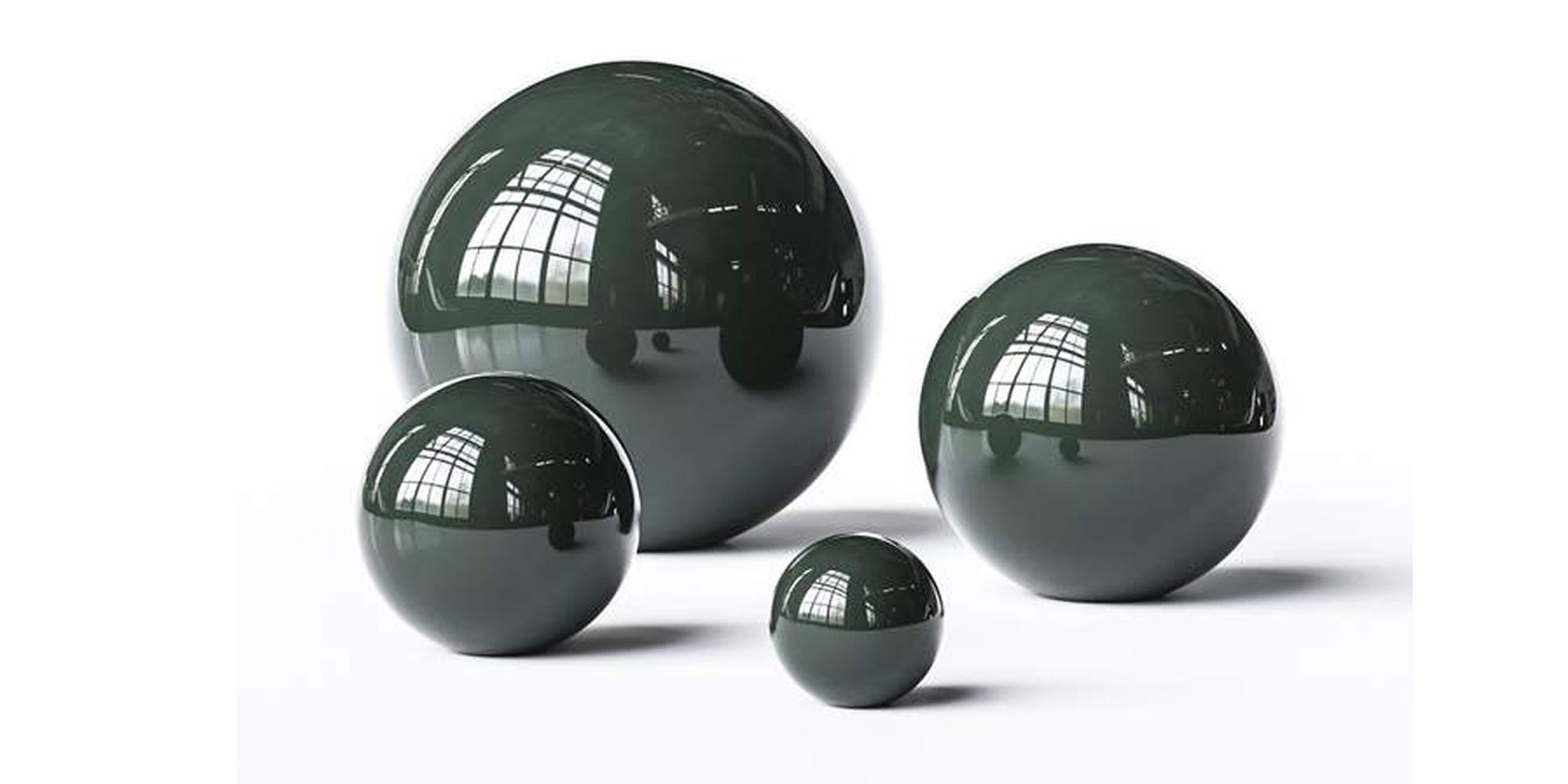
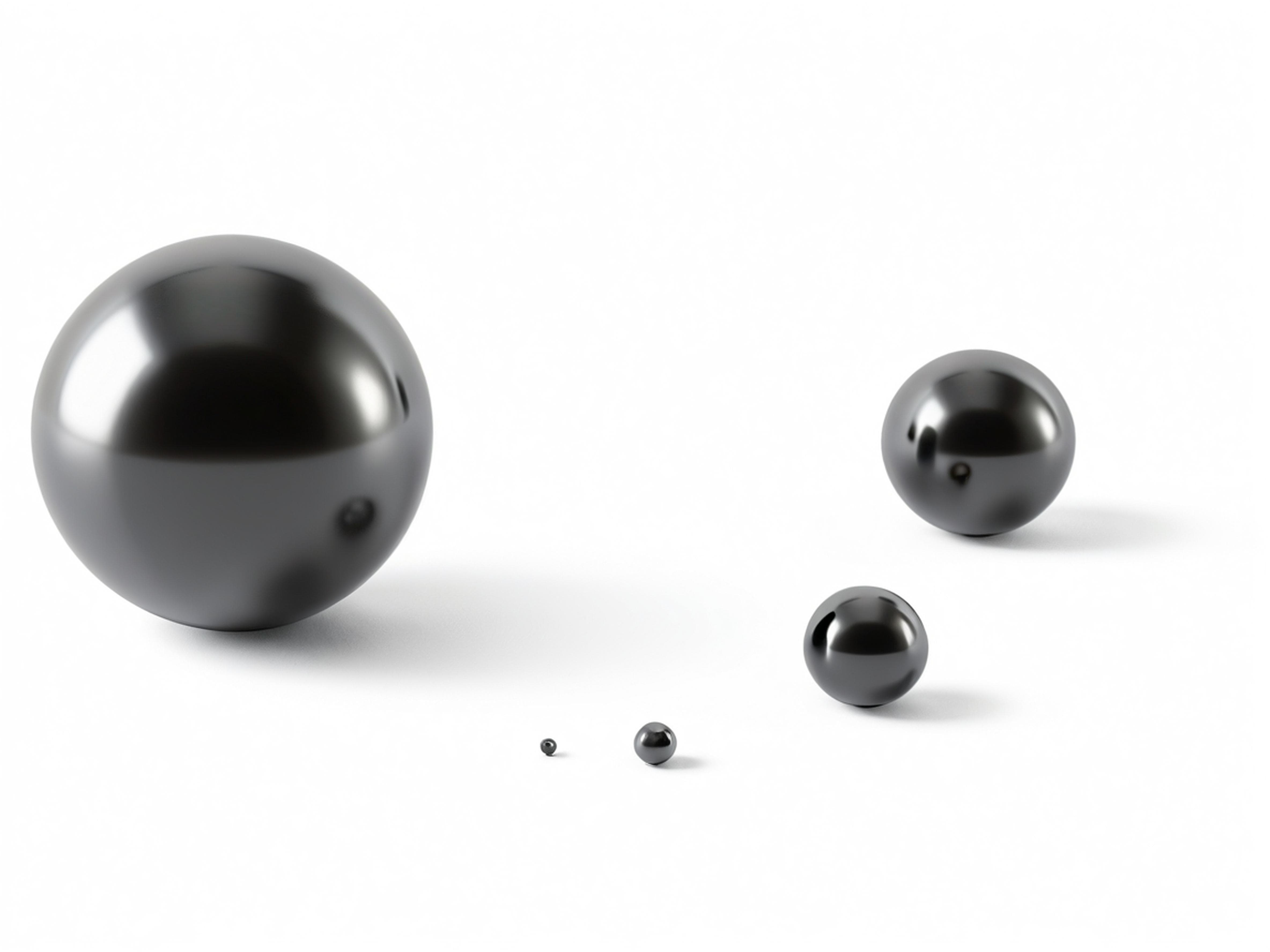
Silicon Nitride Balls are precision-made ceramic balls. They are made from silicon nitride (Si₃N₄), an advanced structural ceramic.
Through a carefully controlled process, these balls are made to strict tolerances. The process includes powder forming.
It also includes high-temperature sintering. Finally, it includes precision grinding. They achieve surface finishes and roundness that meet or exceed the needs of critical aerospace applications.
Their mix of physical and chemical properties sets them apart from standard bearing materials. This makes them the top choice when performance must not be compromised.
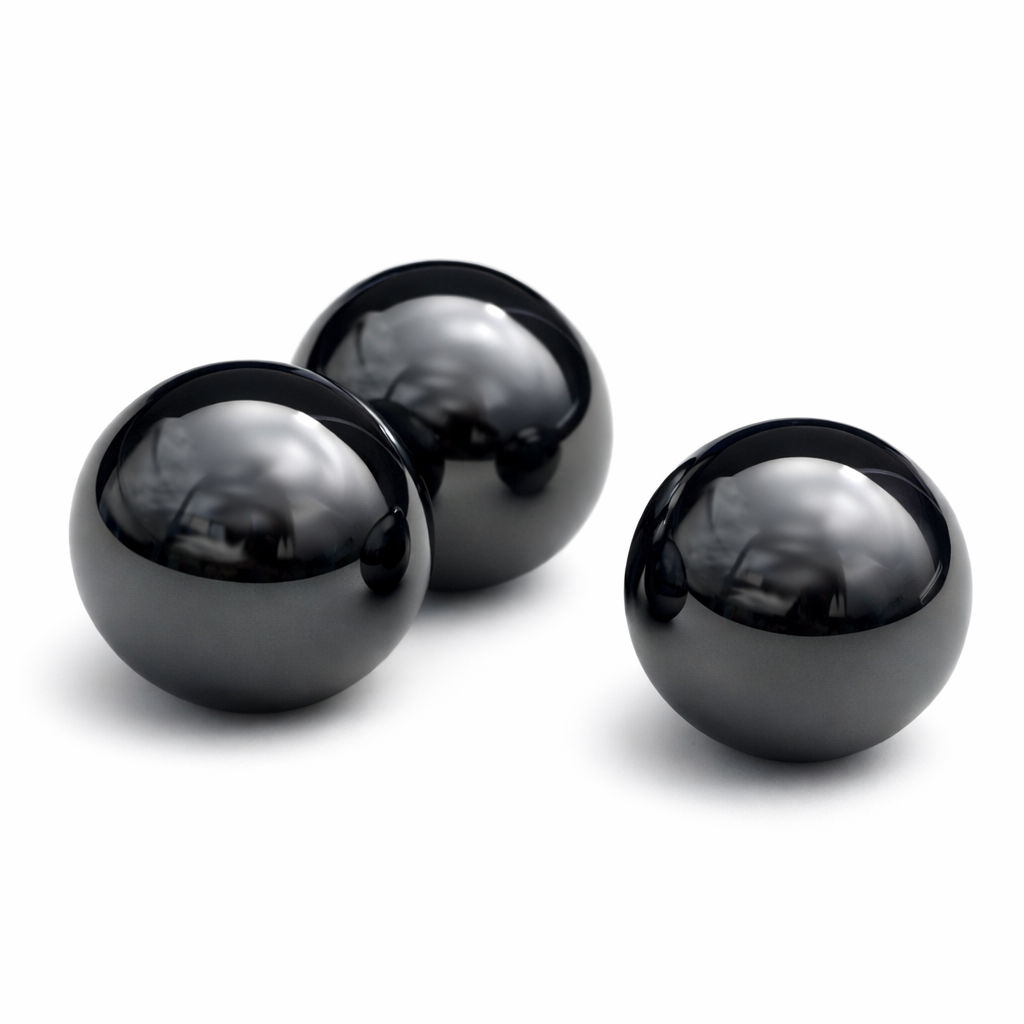
Silicon Nitride has a density of about 3.2 g/cm³. Steel has a density of about 7.8 g/cm³. This makes Silicon Nitride balls about 60% lighter than steel balls.
In aerospace, saving even one kilogram of weight can cut fuel use, extend range, or increase payload. This weight advantage is very valuable.
In high-speed rotating assemblies, such as jet engine and turbopump bearings, Silicon Nitride balls have less mass. This lower mass reduces centrifugal forces on the bearing outer ring.
This extends bearing life and lets engines run faster and more efficiently. This is critical for next-generation aerospace propulsion systems.
Jet engines operate at extraordinarily high temperatures, with some components exposed to gases exceeding 1,000°C (1,832°F).
Silicon nitride balls keep their strength, hardness, and size at extreme temperatures. Steel balls would soften, deform, or fail.
Furthermore, Silicon Nitride has a low coefficient of thermal expansion — approximately one-third that of steel.
As temperatures change a lot during flight, the ceramic balls keep their exact size.
This keeps bearing clearances steady. It also prevents binding or too much play, which can happen with expanding steel parts.
With a hardness of about 1,500 HV (Vickers Hardness), Silicon Nitride Balls resist wear very well. This is nearly twice the hardness of bearing steel. They also resist pitting and surface fatigue.
In aerospace bearings, parts can run for thousands of flight hours without being replaced. Better wear resistance helps them last longer. This extends service life and reduces maintenance costs.
The hard, smooth surface of Silicon Nitride Balls also resists micro-cracks and surface damage. These can spread under cyclic loading. This makes them more durable in demanding aerospace fatigue environments.
Modern aircraft are packed with sophisticated electronic systems, and electrical stray currents are an ever-present concern.
In standard steel bearings, electrical currents can arc across rolling elements and cause micro-pitting and erosion. This effect is called electrical fluting and can lead to early bearing failure.
Silicon Nitride Balls are electrically non-conductive, effectively acting as insulators within the bearing assembly.
This property is critical in aircraft generators, electric actuators, and power electronics. These systems are more common as aerospace moves toward More Electric Aircraft (MEA) and fully electric propulsion.
Many aerospace systems — including navigation instruments, magnetic sensors, gyroscopes, and avionics — require components that do not interfere with magnetic fields.
Silicon Nitride Balls are non-magnetic. This makes them ideal near sensitive electronic and navigation systems. Magnetic interference could otherwise reduce accuracy or safety.
Spacecraft and satellites operating in the vacuum of space present a unique lubrication challenge.
Traditional liquid lubricants evaporate in vacuum conditions, leaving bearings unprotected. Silicon Nitride Balls have a low friction coefficient and a smooth surface finish.
They can operate well with little or no lubrication. This is a key advantage for space mechanisms. These include reaction wheels, gyroscopes, antenna pointing systems, and solar array drives.
Aerospace components are regularly exposed to jet fuels, hydraulic fluids, de-icing chemicals, and atmospheric moisture.
Silicon Nitride strongly resists chemical attack from these substances. This prevents corrosion damage that can affect steel bearings. It also helps maintain structural integrity over time.
This chemical inertness also makes Silicon Nitride Balls suitable for liquid oxygen (LOX) turbopumps in rocket engines. This environment is so oxidizing that even stainless steel can ignite in some cases.
Aerospace environments expose bearings and their parts to many extreme conditions. These conditions are not found in most industrial settings:
Extreme temperature fluctuations — Extreme temperature changes occur in flight, from high-altitude freezing cold to intense heat from jet engines.
High rotational speeds — turbine engines, gyroscopes, and guidance systems operate at tens of thousands of RPM
Heavy and dynamic loads — bearings must withstand both static and shock loads during takeoff, flight maneuvers, and landing
Vacuum and low-lubrication environments — spacecraft and satellites cannot rely on conventional lubrication systems
Corrosive environments — exposure to jet fuels, hydraulic fluids, and atmospheric moisture demands exceptional chemical resistance
Weight sensitivity — every gram matters in aerospace, where weight directly impacts fuel efficiency and payload capacity
Steel bearings, while reliable in many conventional applications, struggle to meet all of these demands simultaneously. Silicon Nitride Balls, however, are uniquely engineered to rise to every one of these challenges.
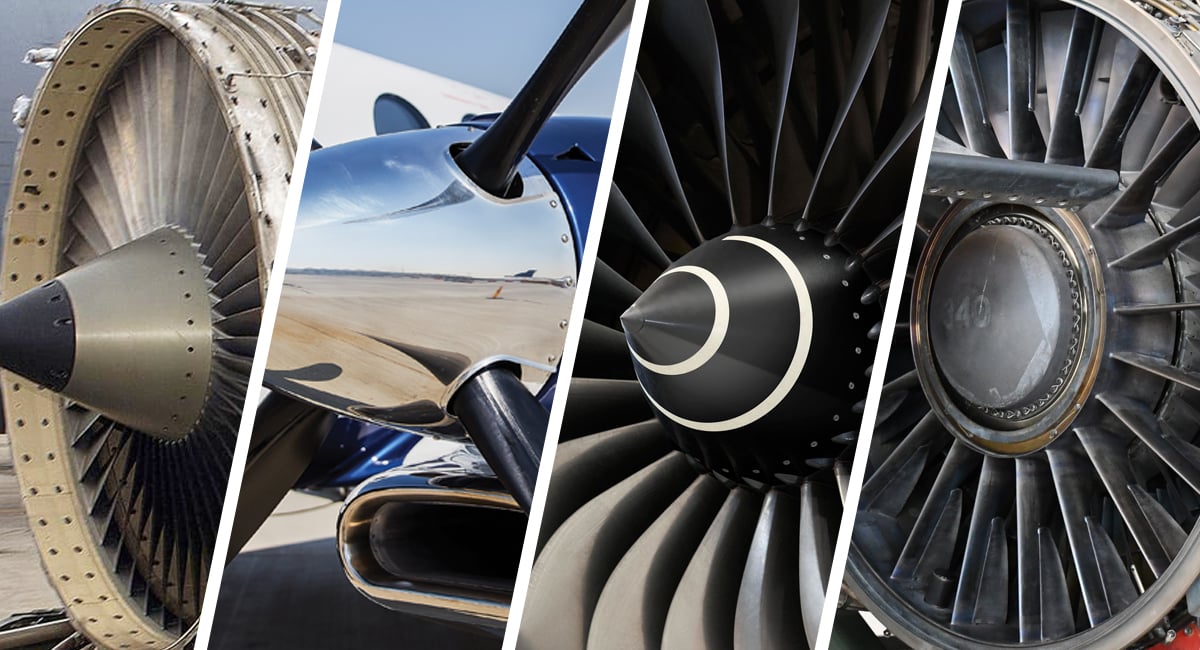
The main shaft bearings of jet engines are among the most demanding bearing applications in existence.
Silicon Nitride Balls allow higher speeds, lower temperatures, and longer service intervals in these key assemblies. This helps improve engine efficiency and reliability.
Rocket turbopumps operate at extreme speeds and in contact with cryogenic or highly reactive propellants.
Silicon Nitride Balls withstand these conditions where steel cannot, providing reliable operation in applications including liquid hydrogen and liquid oxygen turbopumps.
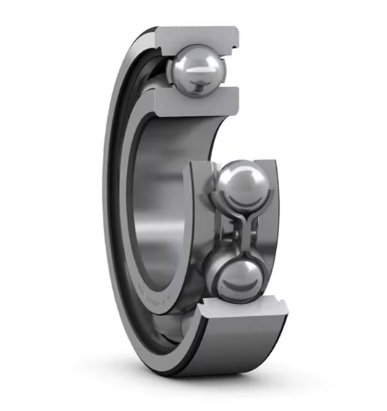
Precision gyroscopes require bearings with extremely low friction, minimal noise, and outstanding dimensional stability.
Silicon Nitride Balls provide these qualities, enabling accurate attitude and navigation data for aircraft and missiles.
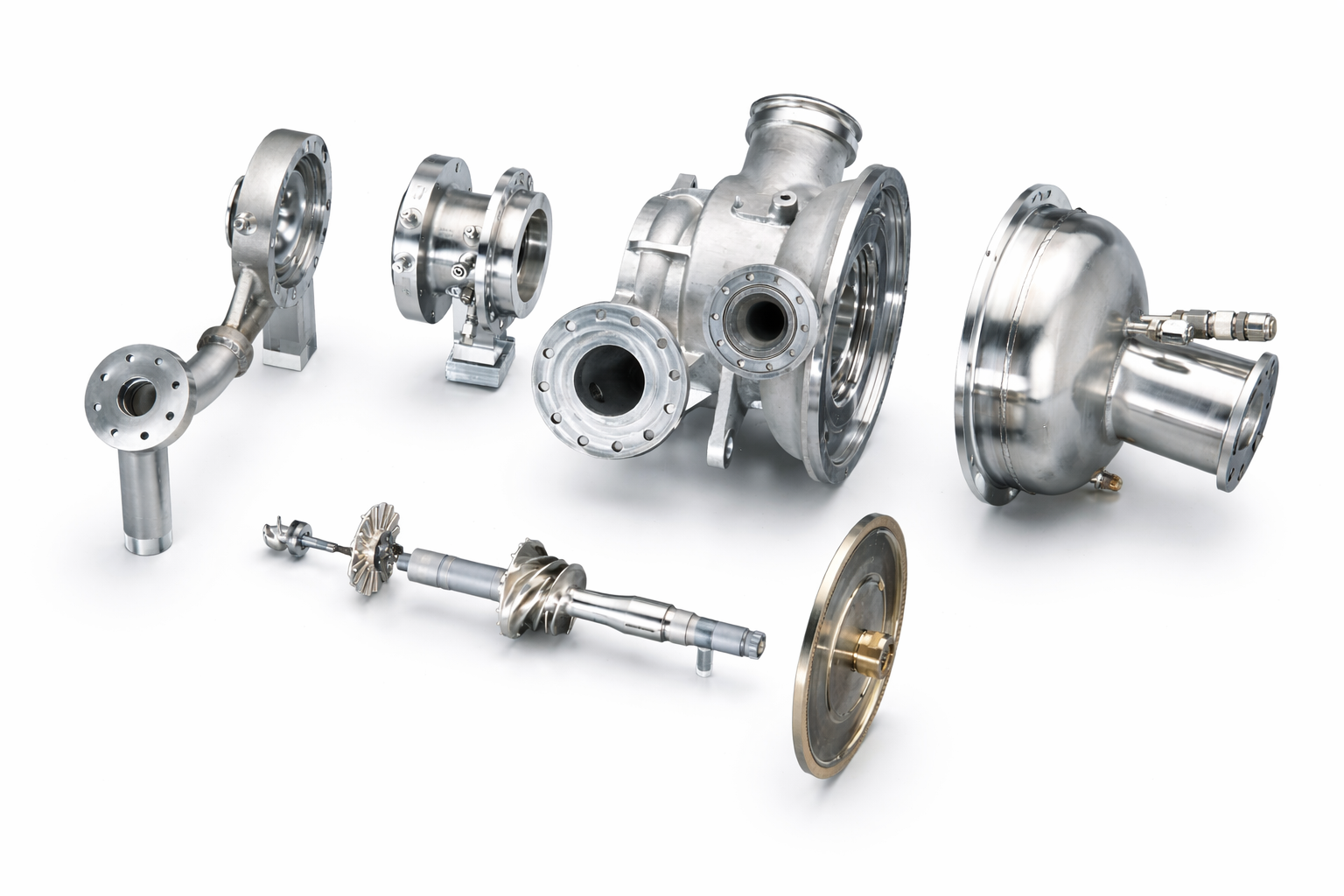
Reaction wheels, momentum wheels, solar array drives, and antenna pointing mechanisms in satellites use Silicon Nitride Balls. They are non-magnetic, work well in vacuum, and last a long time.
This is vital for systems that run for years or decades without maintenance.
The rotor systems of helicopters experience complex, multi-directional loads and vibration. Silicon Nitride Balls provide the hardness and fatigue resistance needed for reliable operation in these challenging conditions.
APU bearings operate across a wide temperature range and must start reliably in cold conditions.
Silicon nitride balls have low thermal expansion and perform well in cold temperatures. This makes them well suited for APU applications.
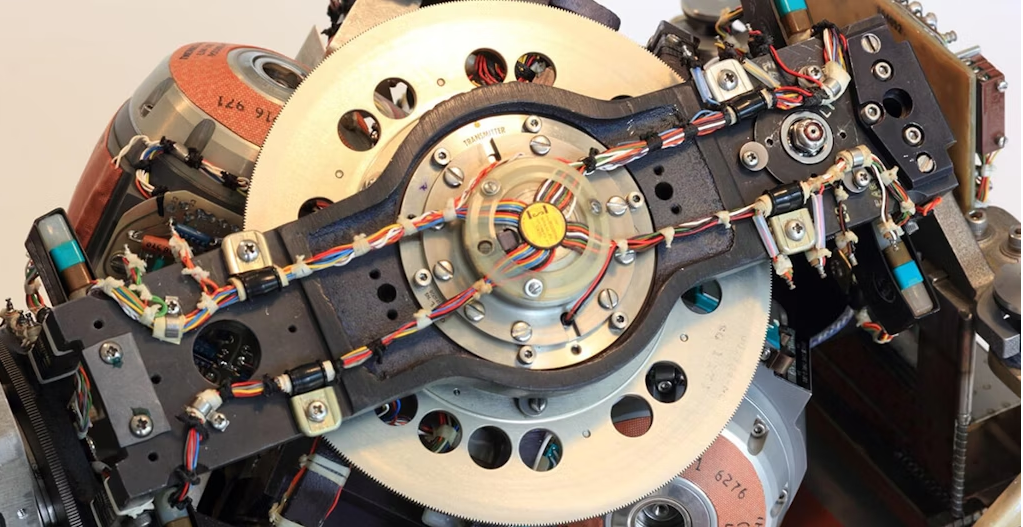
As the aerospace industry changes, electric aircraft, urban air mobility, hypersonic vehicles, and deeper space missions are growing. These trends will increase the demands on bearing components. Silicon Nitride Balls are already well positioned to meet these future challenges:
Electric and hybrid aircraft will require bearings immune to electrical current damage at even higher voltages and frequencies.
Hypersonic vehicles will demand materials that maintain integrity at temperatures far beyond the capability of steel.
Long-duration space missions will require components that operate reliably for years without any possibility of maintenance.
Silicon Nitride Balls are not just meeting today’s aerospace needs. They are the foundation for tomorrow’s most advanced aerospace systems.
From commercial jet engine turbines to spacecraft gyroscopes, silicon nitride balls quietly play a vital role. They help make modern aerospace possible.
Their unique mix of low weight and high strength at high temperatures meets the needs of aerospace engineering. They are also very hard. They provide electrical insulation. They resist corrosion.
In this industry, reliability is not just a goal. It is a real necessity. Silicon Nitride Balls deliver strong performance.
They go beyond the limits. They will keep doing so as aerospace technology moves into its next great era.
 Richard : Aug 27, 2025 11:19:57 PM
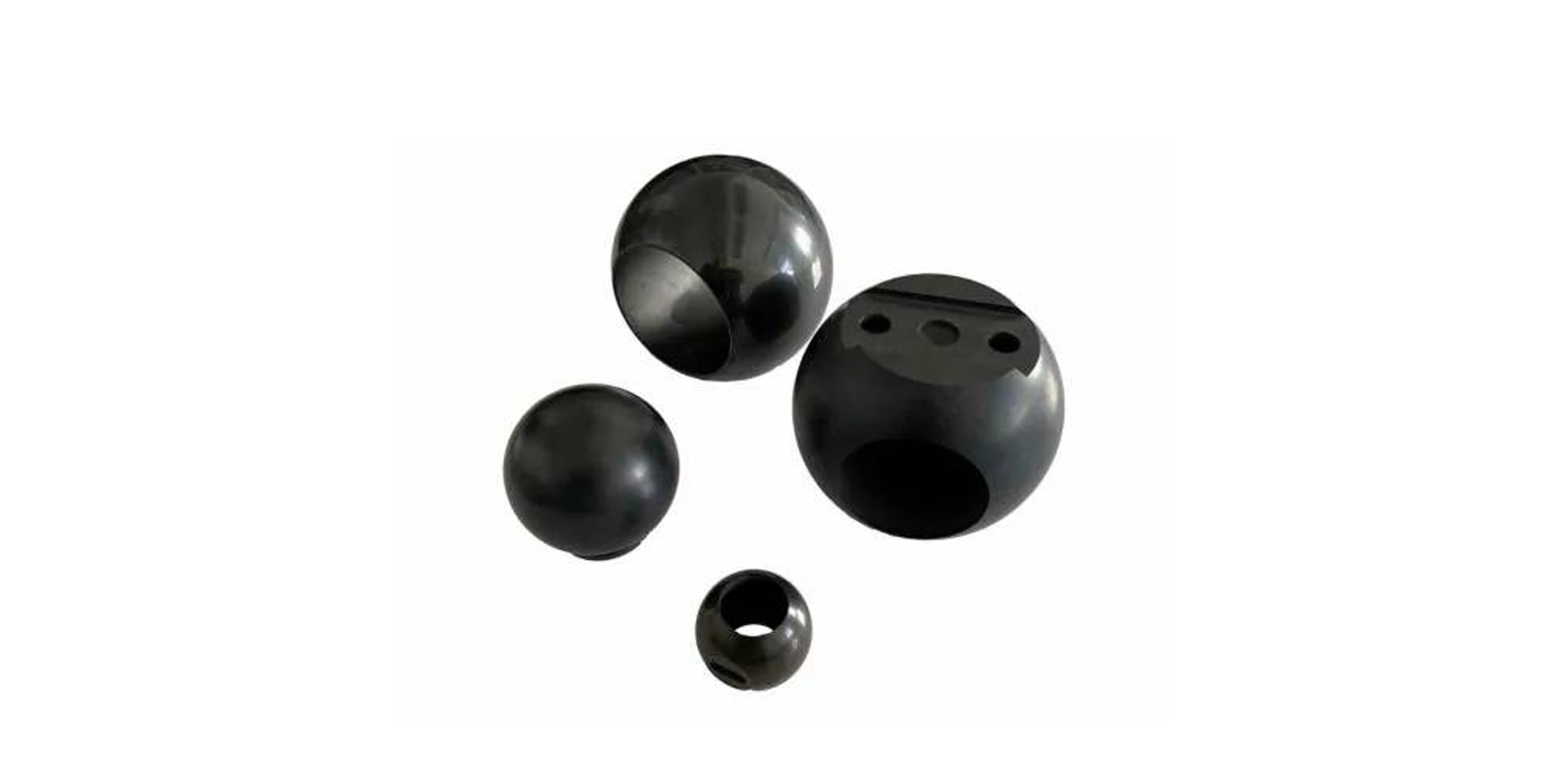
Silicon nitride balls are ceramic balls made from silicon nitride, a strong and heat-resistant material. They are used in precision bearings for...
 Robert : Aug 27, 2025 4:51:15 AM
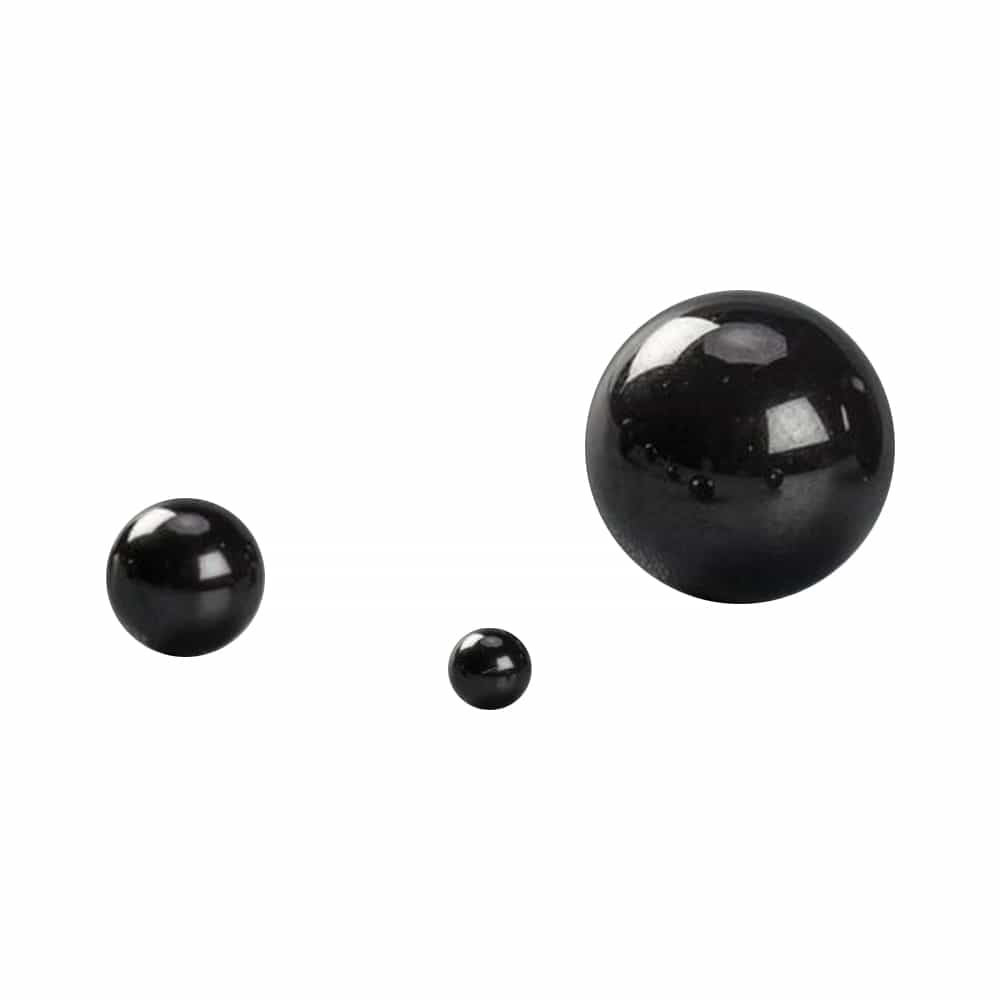
Have you ever wondered why some components in advanced machinery are so resilient and reliable? The secret often lies in the materials used, with...
 Robert : Aug 27, 2025 11:09:57 PM
Silicon Nitride Balls are ceramic balls made from silicon nitride (Si₃N₄). This material is known for its excellent hardness, resistance to wear, and...