

When to Replace Your Polyurethane Rollers: Signs of Wear and Damage
Why Roller Condition Matters More Than You Think Polyurethane rollers are the workhorses of modern manufacturing. From printing presses and...
8 min read
Robert
:
Dec 19, 2025 2:41:15 AM
Table of Contents
From packaging to manufacturing, polyurethane rollers are a key component in most industrial applications. Implementing them can be the difference between an average and an exceptional operation.
Upgrading metal or rubber rollers to urethane provides a versatile and highly durable material solution. This change helps reduce downtime and improves overall operating efficiency.
Today we will look at polyurethane rollers and investigate the numerous types available.
Polyurethane is a versatile polymer material formed by a chemical reaction between polyols and isocyanates.
By adjusting its formulation, polyurethane can be engineered to be soft and flexible like rubber. It can also be made rigid like plastic, or tuned to properties anywhere in between.
Because of this adaptability, polyurethane is widely used in modern industry. It offers an excellent balance of wear resistance, elasticity, load-bearing capacity, and resistance to oils, chemicals, and abrasion.
Polyurethane can also be precisely formulated to achieve specific hardness, temperature resistance, and mechanical performance. This versatility makes it suitable for applications such as rollers, wheels, seals, coatings, foams, and adhesives.
In simple terms, polyurethane is valued for its ability to combine durability with flexibility. This balance makes it a key material in many industrial and consumer products.
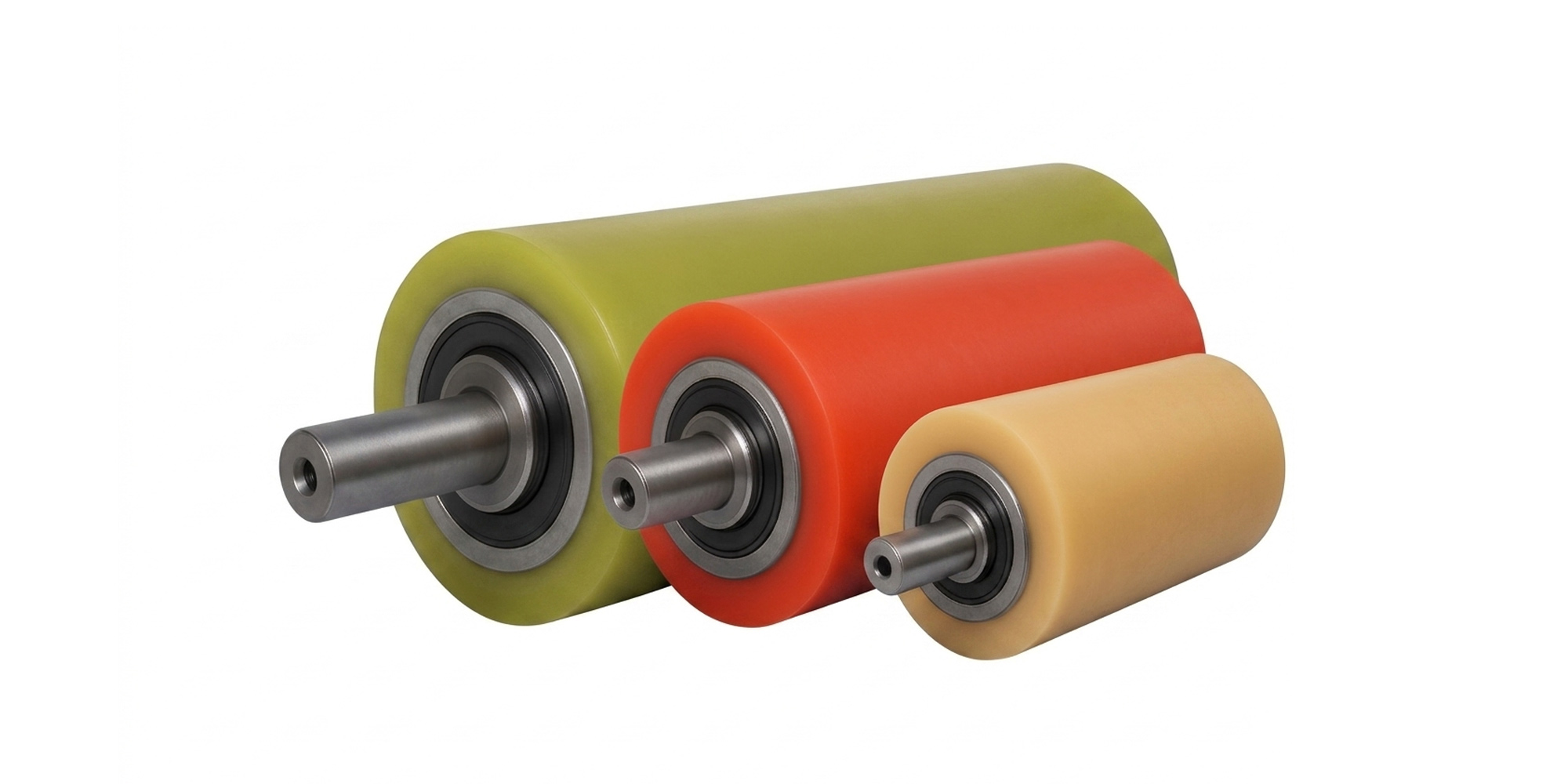
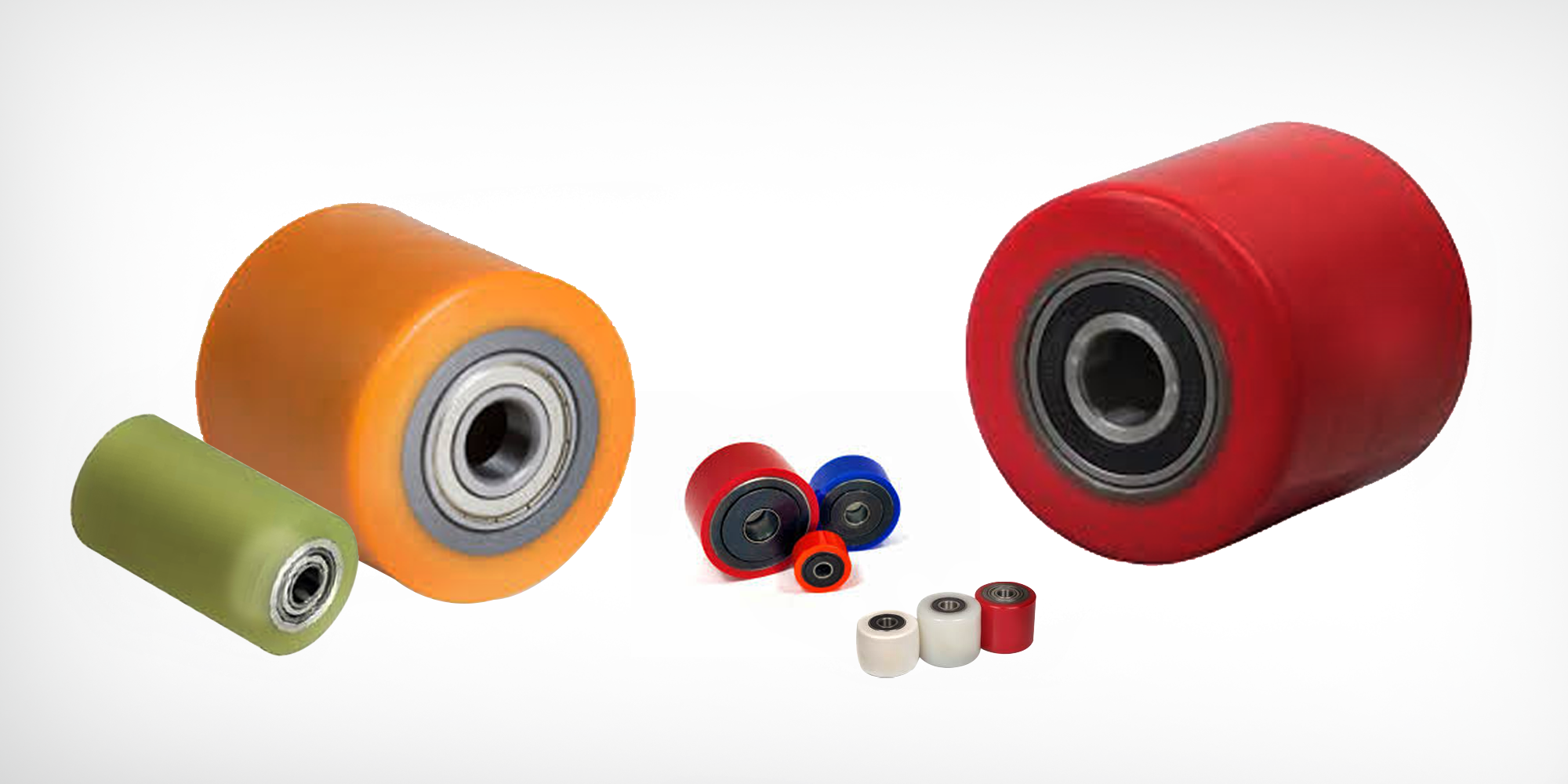
Polyurethane rollers are cylindrical parts coated with polyurethane, a highly durable elastomer. Depending on the application, the inner core of the roller may be susceptible to damage.
This can include scratching, corrosion, denting, or other forms of wear. The polyurethane layer provides effective protection for the core by offering excellent resistance to abrasion and strong impact absorption.

Among elastomeric materials, polyurethane is the most widely used choice for roller applications. By adjusting the types and proportions of additives, its mechanical properties can be precisely tailored.
This allows the material to meet specific performance requirements. Polyurethane is especially valued for its outstanding toughness, strong impact resistance, excellent shock absorption, and superior fatigue endurance.
Polyurethane can be formulated to produce rollers ranging from rigid and durable to soft and pliable. These rollers are available in various hardness levels, designed to meet the specific requirements of different applications.
Renowned for its strength and shock-absorbing capabilities, polyurethane is a preferred material for roller construction. Additionally, as a thermoformable elastomer, it can be shaped into a wide variety of forms.

The polyurethane polymer system is a versatile chemical system. It is formed by the controlled reaction of polyols with isocyanates.
Curatives, catalysts, and additives are typically used. Unlike many polymers, polyurethane is not a single material. It is a broad family of polymers. Its properties can be precisely engineered.
At its core, the system consists of:
-Dec-19-2025-07-33-20-6177-AM.jpg?width=625&height=326&name=unnamed%20(1)-Dec-19-2025-07-33-20-6177-AM.jpg)
The reaction between polyol and diisocyanate compounds produces a prepolymer resin, which is a key step in polyurethane manufacturing.
A polyol molecule has alcohol groups at each end. It reacts with a diisocyanate molecule that has isocyanate groups at both ends. This reaction forms an initial polymer chain.
The resulting molecule has an alcohol group on one end. It has an isocyanate group on the other end. This allows it to continue reacting with chain extenders or curatives. Examples include hydroxyls or amines.
Through this step-growth polymerization, long polyurethane chains are formed. These chains give the material its strength and elasticity. They also make it suitable for demanding industrial roller applications.
The final mechanical properties of polyurethane are determined by the specific prepolymer formulation and the choice of curatives. By carefully selecting and balancing polyols, isocyanates, and chain extenders, manufacturers can tailor hardness, wear resistance, and chemical stability.
Additional additives may be introduced to adjust curing behavior, improve machinability, enhance color and UV resistance, or provide anti-static properties. Precise control of these formulations is essential, as incorrect proportions can compromise performance, durability, and safety.
When selecting polyurethane rollers, understanding how material chemistry influences performance is critical. Engineers evaluate factors such as load capacity and fatigue resistance. They also consider elasticity and compression strength. Additionally, they assess resistance to oils, solvents, and temperature extremes.
This ability to fine-tune properties enables polyurethane to outperform conventional rubber or plastic. It excels in many demanding environments. Examples include conveyor systems, drive wheels, and printing rollers.
Overall, the polyurethane polymer system is highly valued for its flexibility and molecular-level design capability. With the right raw materials and precise formulation control, manufacturers can produce application-specific rollers. These rollers offer long service life and strong chemical resistance. They also provide reliable mechanical performance across a wide range of industrial uses.

A polyol is an organic molecule containing one or more hydroxyl (–OH) groups. It serves as a key building block in polyurethane production. In urethane casting, polyols are typically classified as polyether or polyester types.
Like polyols, diisocyanates are essential components of the polyurethane resin system. They are broadly classified into aliphatic and aromatic types.
Aliphatic diisocyanates (ADIs): These are valued for their non-yellowing properties. This makes them ideal for applications where color stability is important, such as rollers. Common ADIs include hexamethylene diisocyanate (HDI), hexamethylene methylene diisocyanate (HMDI), and isophorone diisocyanate (IPDI).
Aromatic diisocyanates: These are subdivided into naphthalenic (NDI), toluene (TDI), and methylene diphenyl (MDI) types:
Curatives are combined with polyol and diisocyanate prepolymers to form solid or semi-solid elastomers. They are primarily of two types:
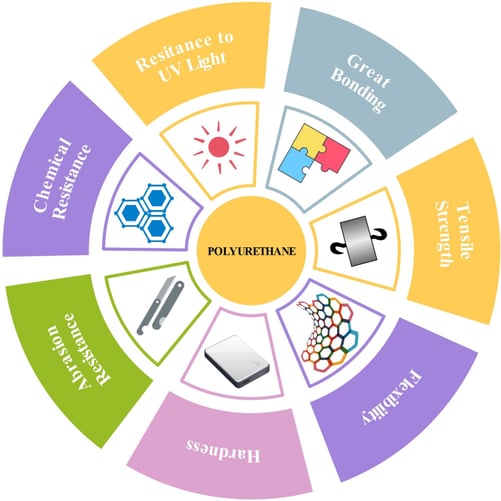
Polyurethane is recognized as an engineering-grade material because of its outstanding characteristics, especially its remarkable elasticity. The following are important properties of polyurethane that make it well-suited for roller applications.
Ether-based: resistant to water, ideal for wet environments.
Ester-based: resistant to oils, solvents, and petroleum products.
|
Property (Unit) |
Flexible Elastomer |
Semi-Rigid / Structural |
Rigid Plastic |
|
Common Uses |
Seals, Bushings, Rollers |
Car Bumpers, Housings |
Gears, Mold Boards, Encapsulants |
|
Density (kg/m3) |
1,050−1,200 |
1,100−1,250 |
1,150−1,450 |
|
Hardness (Shore) |
60A−95A |
45D−65D |
70D−85D |
|
Tensile Strength (MPa) |
15−40 |
20−45 |
35 - 70 |
|
Compressive Strength (MPa) |
5−15 |
30−80 |
80 - 200+ |
|
Flexural Modulus (GPa) |
N/A |
0.3−0.8 |
1.0 - 3.0 |
|
Elongation at Break (%) |
300%−700% |
50%−150% |
5%−30% |
|
Linear Shrinkage (%) |
1.5%−3.0% |
0.5%−1.5% |
0.1%−0.8% |
The choice of polyurethane rollers in industrial applications is largely driven by their long service life. It is also influenced by the broad range of available hardness options.
Rubber rollers require costly and time-intensive tooling. In contrast, polyurethane rollers are produced through casting processes.
These processes use aluminum molds. These molds are easier to manufacture and can be accurately shaped to match the required roller design.
Although the manufacturing process is relatively simple, polyurethane rollers deliver outstanding durability. They offer excellent abrasion resistance. They can also be produced in a wide range of sizes to suit virtually all roller applications.
Idler rollers are essential elements of conveyor systems. They serve multiple functions that support the smooth movement of materials along the conveyor belt.
They are generally classified into two main types. Carrying rollers support and convey the load, while return rollers support the belt as it travels back to the loading point.

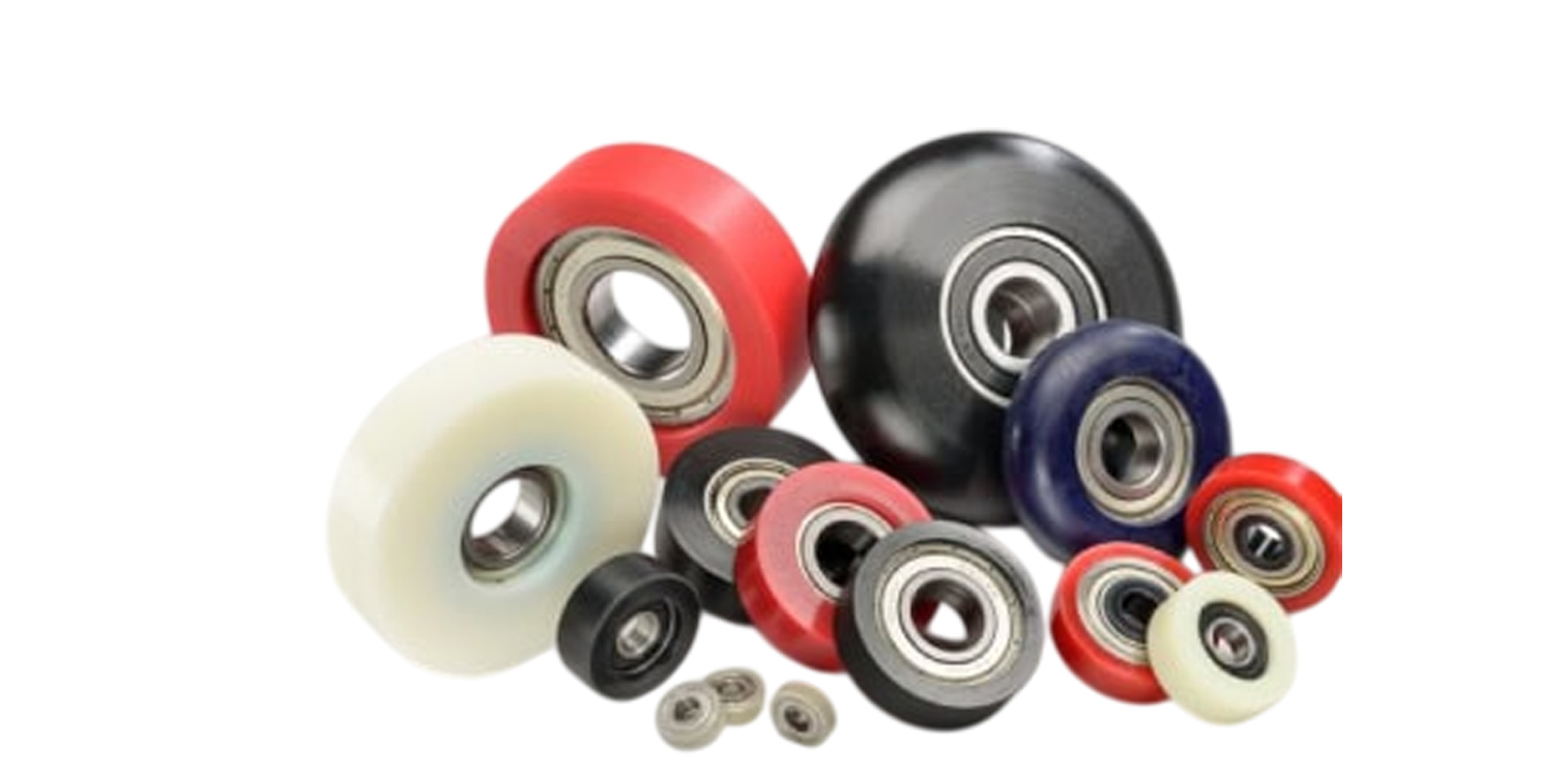
Industrial polyurethane-coated casters are designed for strength and long service life. Their load ratings can reach up to five tons.
Compared with rubber wheels, they offer higher load capacity and are manufactured from thick, high-density polyurethane.
These casters are commonly selected for applications requiring the movement of extremely heavy loads. They also help minimize damage to floors and surrounding surfaces.
Like polyurethane rollers used in conveyor systems, polyurethane casters provide quiet operation. They also offer a wider contact area that helps distribute weight more evenly and reduce floor stress. Their elastic properties contribute to improved ergonomics, extended service life, and overall durability.
In conclusion, polyurethane rollers offer flexible designs and a strong balance of strength and elasticity, making them suitable for many industrial applications.
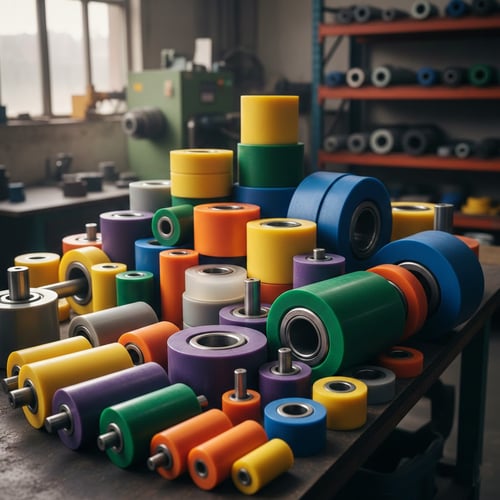
They are available in various sizes, structures, and hardness levels. This allows them to meet specific needs that rubber or metal rollers often cannot.
Click to learn lily bearing product catalog and technical guide.
Why Roller Condition Matters More Than You Think Polyurethane rollers are the workhorses of modern manufacturing. From printing presses and...
Polyurethane rollers with bearings are crucial for enhancing machinery efficiency and performance. They provide durability, low friction, and high...
Polyurethane rollers, or poly rollers, are vital in many industries because they are durable, flexible, and resistant to wear and chemicals. In this...