


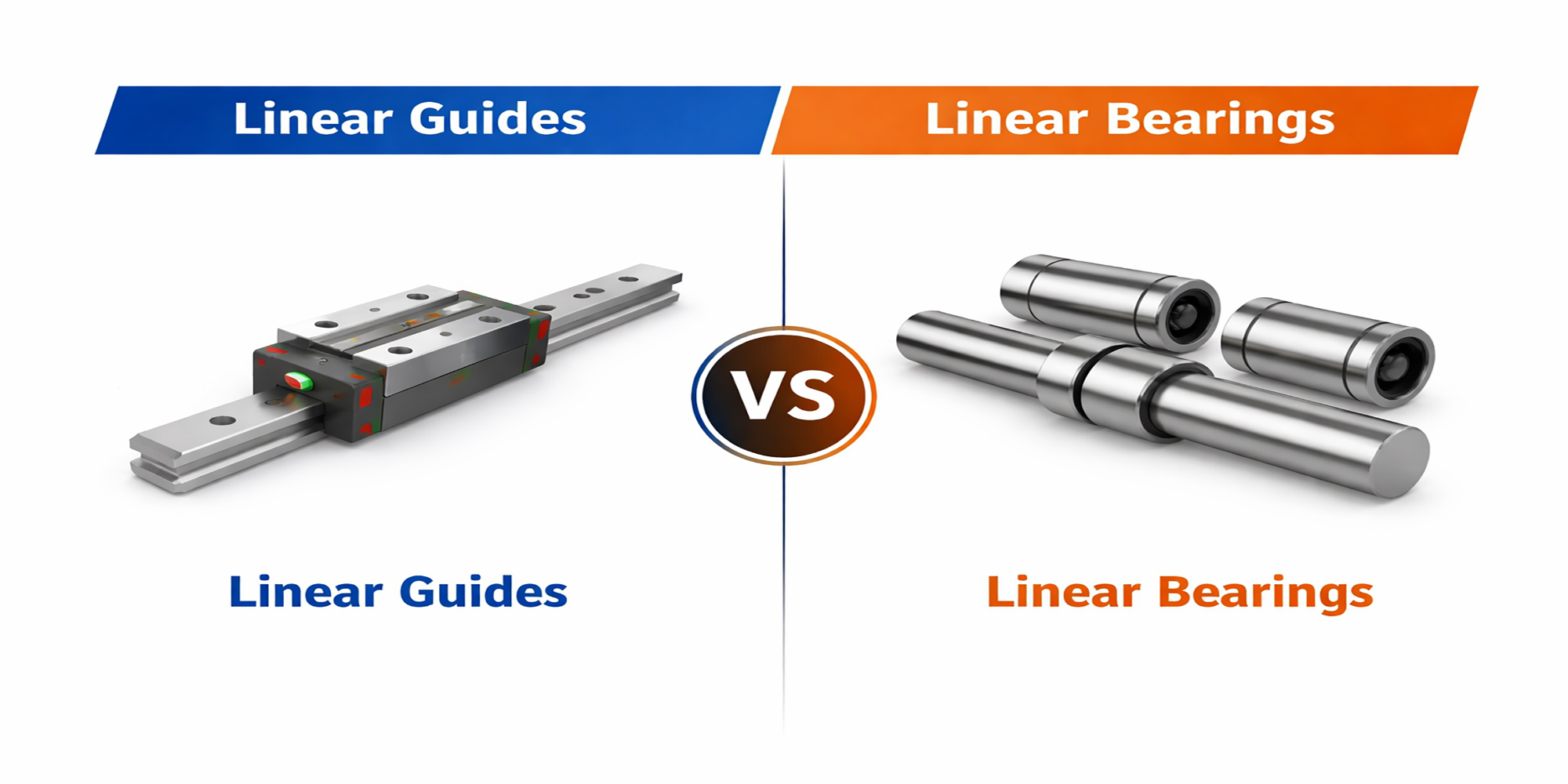
Linear Guides vs Linear Bearings: What’s the Difference?
Both move things in a straight line — but choosing the wrong one can cost you precision, payload capacity, or thousands in unplanned downtime. Here’s...
5 min read
Richard
:
Apr 2, 2026 2:43:23 AM
Table of Contents
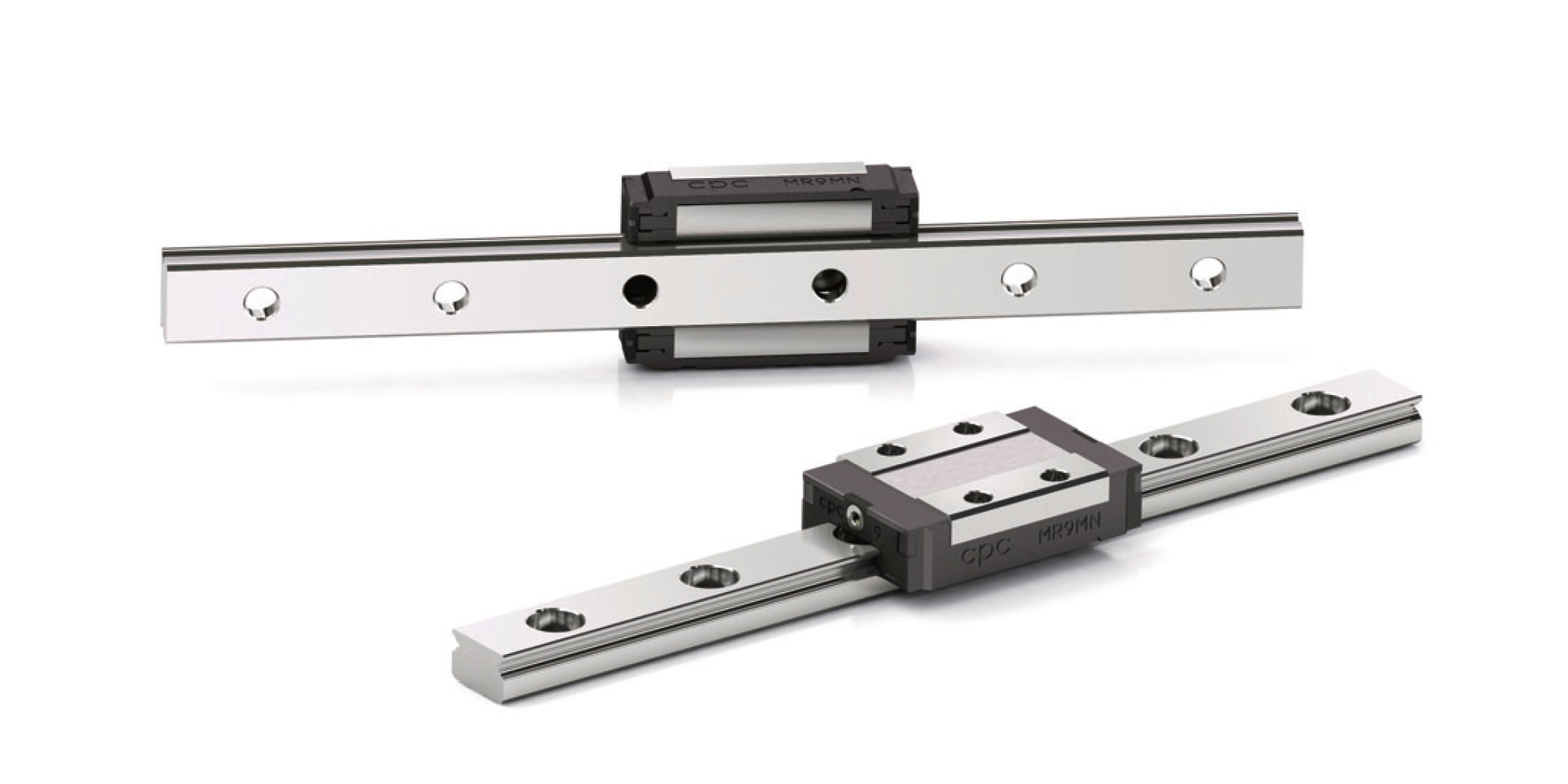
A linear guide — also called a linear motion guide, LM guide, or linear rail — is a precision bearing system engineered to support and direct smooth, straight-line movement with minimal friction. In robotic systems, this translates to consistent, repeatable positioning that can be maintained across thousands — even millions — of operating cycles.
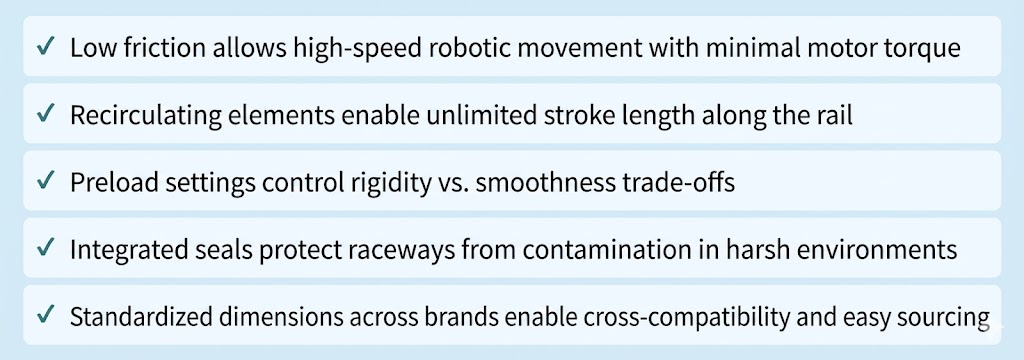
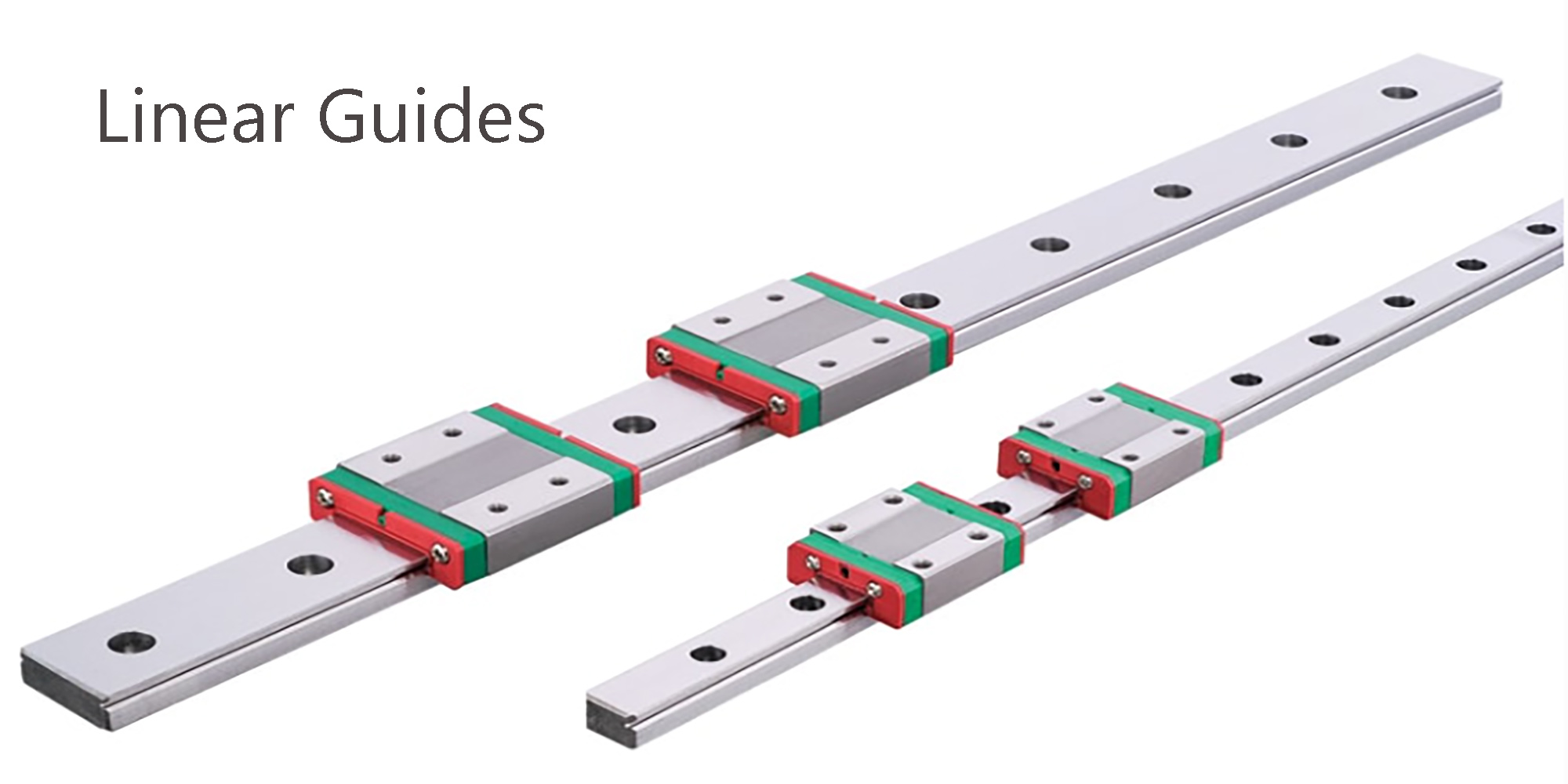
Think of a linear guide as the skeletal track that constrains motion to a single axis. A hardened steel rail houses the rolling elements (balls or rollers), while a carriage block rides along it, carrying the robotic payload. The rolling elements continuously recirculate through internal pathways, allowing effectively unlimited travel within the rail length.
💡 Key Insight: Without precision linear guides, there is no repeatability in robotic arms, no consistency in automated assembly, and no accuracy in semiconductor manufacturing. Linear guides are foundational — not optional.
|
570K+ New industrial robots shipped globally in 2022 (IFR) |
$27B Total value of the industrial robot market (2022) |
±1µm Positioning repeatability in ultra-precision LM guides |
10.3% Year-over-year growth in robot installations |
Inside every linear guide carriage, rolling elements (steel balls or cylindrical rollers) travel in a closed recirculating loop. As the carriage moves forward, balls at the front are picked up and returned via internal channels to the rear — creating an endless, self-renewing track. This recirculation mechanism gives linear guides their theoretically infinite stroke length, limited only by the physical rail length.
For robotic precision, preload is critical. By slightly oversizing the rolling elements relative to the raceway, manufacturers introduce a compressive preload that eliminates internal clearance. This dramatically increases stiffness, reduces backlash, and improves positional accuracy — essential for robotic arms performing micron-level tasks in electronics manufacturing or surgical applications.

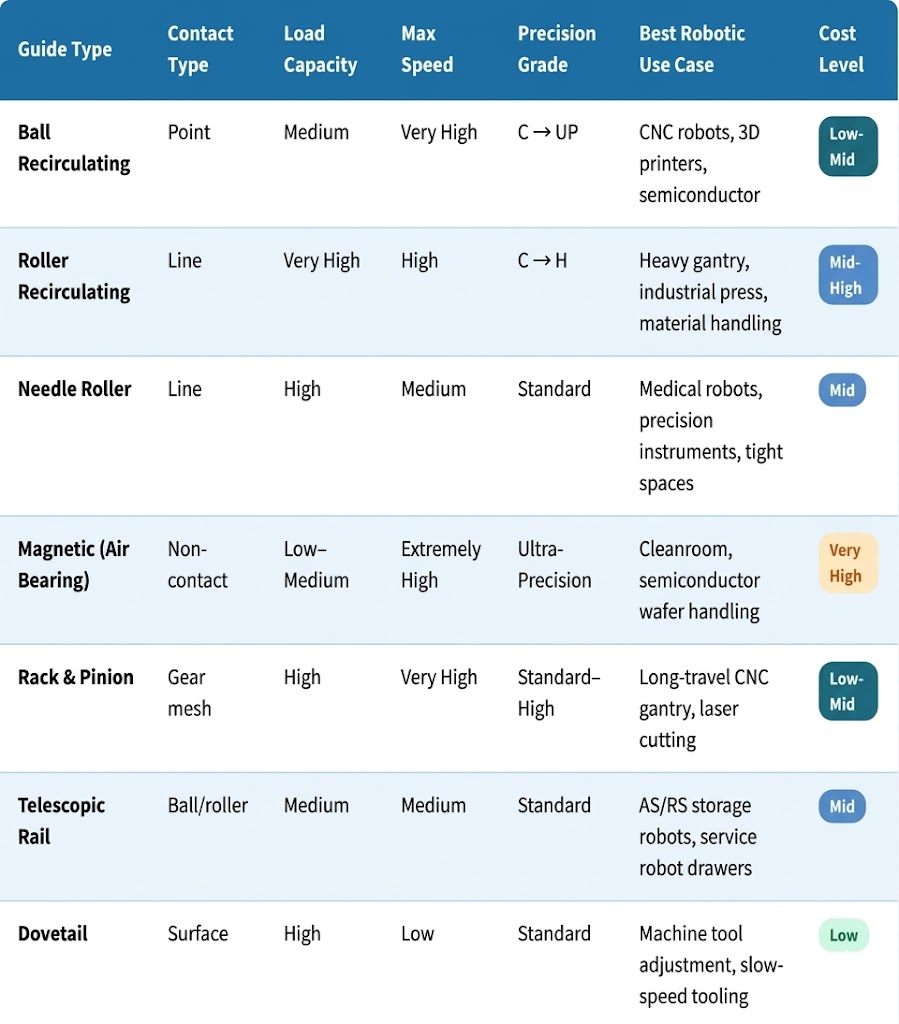
Not all linear guides are created equal. Robotic engineers select guide types based on load, speed, space, and environmental requirements. Here are the primary categories:
|
Guide Type |
Contact |
Load Capacity |
Max Speed |
Best Robotic Use Case |
|
Ball Recirculating |
Point |
Medium |
Very High |
CNC robots, 3D printers, semiconductor |
|
Roller Recirculating |
Line |
Very High |
High |
Heavy gantry, industrial press, material handling |
|
Needle Roller |
Line |
High |
Medium |
Medical robots, precision instruments, tight spaces |
|
Magnetic (Air Bearing) |
Non-contact |
Low–Med |
Extreme |
Cleanroom, wafer handling |
|
Rack & Pinion |
Gear mesh |
High |
Very High |
Long-travel CNC gantry, laser cutting |
|
Telescopic Rail |
Ball/roller |
Medium |
Medium |
AS/RS storage robots, service robot drawers |
|
Dovetail |
Surface |
High |
Low |
Machine tool adjustment, slow-speed tooling |

Cartesian robots combine two or three orthogonal linear axes — each axis is essentially a guided linear stage. These systems dominate pick-and-place operations in electronics manufacturing, packaging lines, and palletizing. Their repeatability, often better than ±0.01mm, is entirely dependent on the quality of the underlying linear guide system.
Cobots working alongside human operators on assembly lines rely on linear guide modules for their seventh-axis travel — allowing the robot arm to traverse a longer horizontal path without repositioning. Self-lubrication systems in modern linear guides are particularly valued here, reducing maintenance downtime in 24/7 cobot deployments.
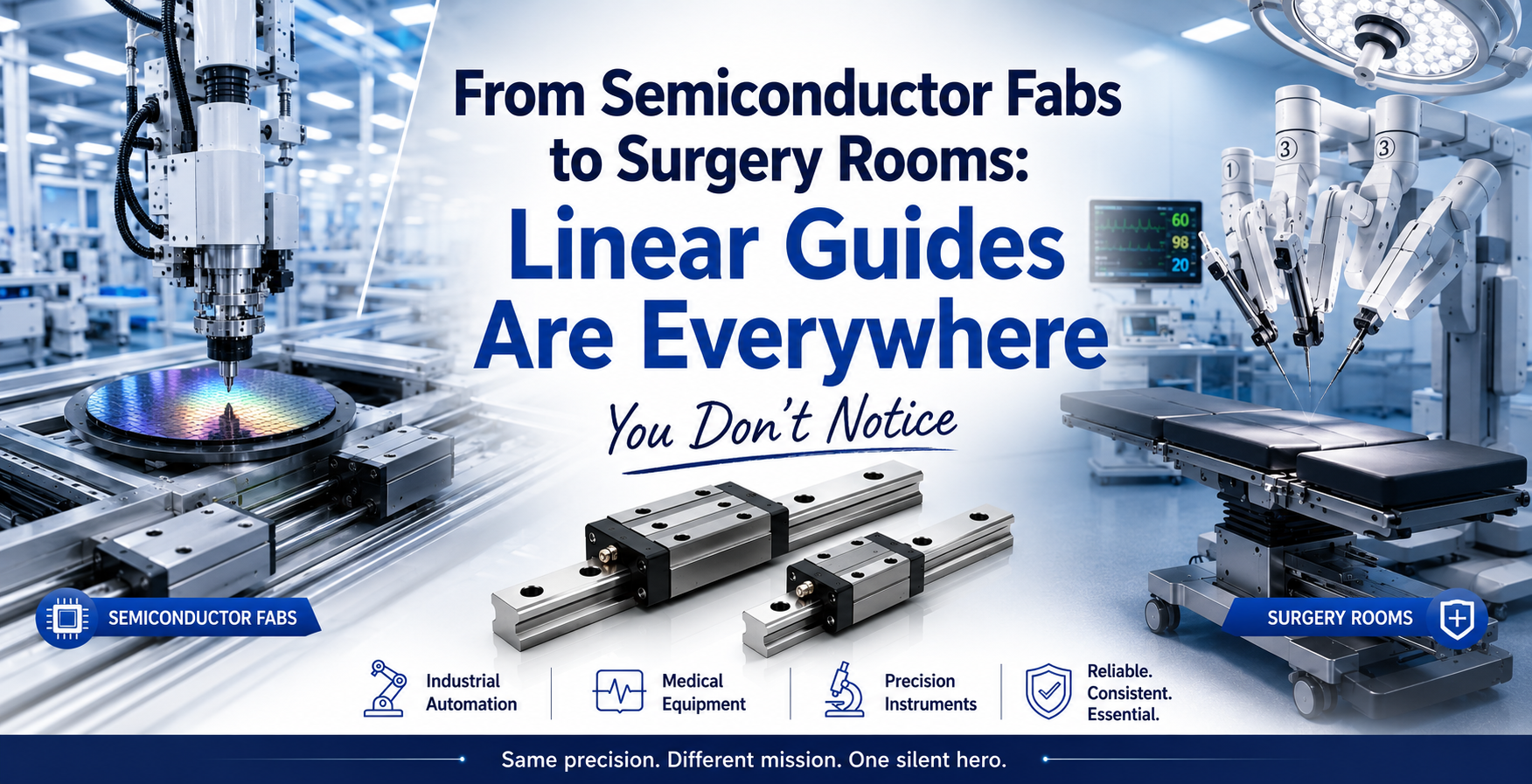
In surgical robotics, linear guides enable surgeons to perform delicate procedures with sub-millimeter precision. Systems use miniature, ultra-precision linear guides to translate surgeon hand movements into highly controlled instrument tip motion — where ±1µm accuracy can be genuinely life-saving.
Cleanroom-rated linear guides with stainless steel construction and specialty low-outgassing lubricants are essential in wafer handling robots, die bonding equipment, and PCB assembly machines. Contamination control is critical — a single particle can destroy a microchip — making magnetic or sealed linear guides the components of choice.
Automated guided vehicles and storage/retrieval systems depend on linear guides for their vertical lift mechanisms, telescopic forks, and lateral transfer units. In high-density warehouse robotics operating around the clock, linear guide durability and low maintenance requirements are essential economic considerations.
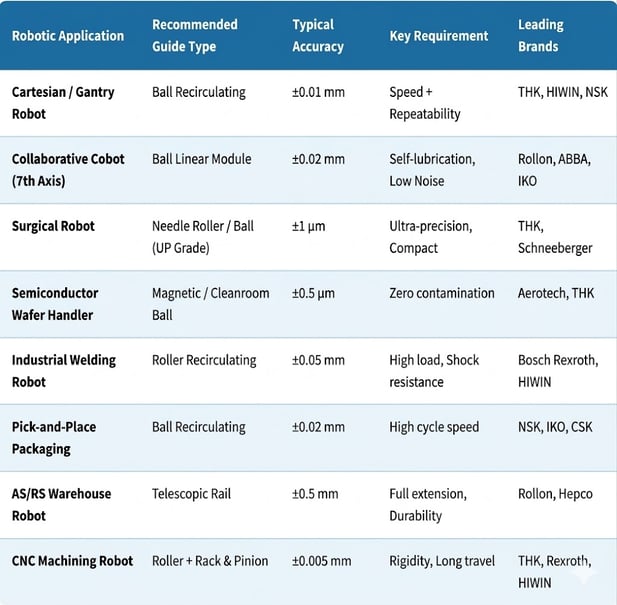
Use this reference table to match guide type to your specific robotic application requirements:

Choosing the wrong linear guide is one of the most common — and costly — engineering errors in robotic system design. Here is a systematic selection framework used by motion engineers worldwide:
Step 1 — Define Your Load Profile
Calculate static and dynamic loads, including moment loads (pitch, yaw, roll) from the robot payload, acceleration forces, and any shock or vibration inputs. Roller guides are preferred for loads above 10 kN; ball guides excel below this threshold.
Step 2 — Establish Speed & Acceleration Requirements
High-cycle pick-and-place robots operating at 3–5 m/s require low-friction ball guides with appropriate lubrication. Slower, heavier systems benefit from roller guides' superior stiffness at the cost of some maximum speed.
Step 3 — Specify Accuracy Grade
Accuracy grades range from Normal (C/H) to Ultra Precision (UP). Electronics assembly robots typically require Grade H or better (±5µm). General pick-and-place can often use Grade C (±20µm), significantly reducing cost.
Step 4 — Evaluate the Operating Environment
Cleanroom robotics require sealed, low-outgassing stainless steel guides. Welding robots need heavy-duty seals against metal spatter. Food and pharmaceutical robots may require FDA-compliant lubricants and corrosion-resistant materials.
Step 5 — Calculate Service Life (L10)
Use the dynamic load rating (C) and the equivalent dynamic load (P): L10 = (C/P)³ × 50 km. For 24/7 robotic operation, target a minimum L10 of 20,000 km to minimize unplanned downtime.
Step 6 — Choose Preload Class
No preload (Z0) suits high-speed, light-load robots. Light preload (ZA) is standard for most robotic arms. Medium preload (ZB/ZC) is used where moment loads are high and maximum rigidity is required, such as in machining robots.

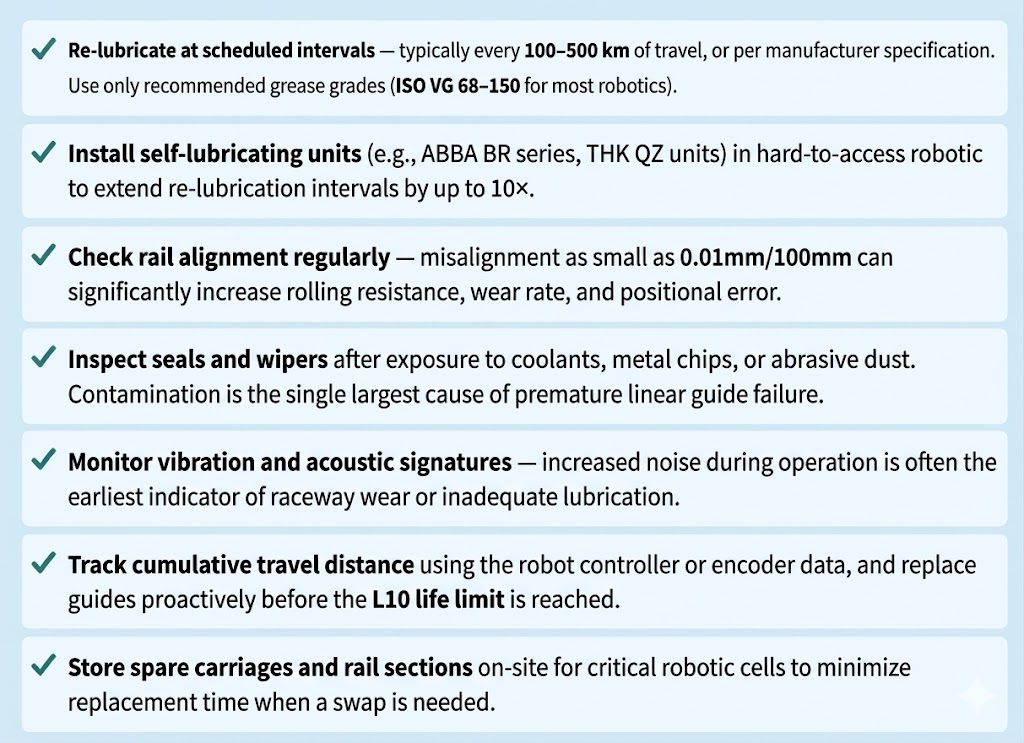
Even the highest-quality linear guide will underperform or fail prematurely without proper maintenance. In robotic systems operating 24/7, unplanned linear guide failure can cost thousands of dollars per hour in downtime. Follow these best practices:

🔑 Pro Tip: Modern linear guides with integrated sensor technology can stream real-time temperature and vibration data to condition monitoring systems, enabling predictive maintenance before a failure event occurs — a key feature in Industry 4.0 robotic deployments.
The linear guide is evolving from a passive mechanical component into an intelligent motion element. Here are the key trends reshaping the industry:
|
Trend |
Technology |
Impact on Robotics |
Timeline |
|
Integrated IoT Sensing |
Embedded temp, vibration, load sensors |
Real-time condition monitoring; predictive maintenance |
Now |
|
Self-Lubrication Systems |
Internal lubricant reservoirs (QZ units) |
10× longer re-lube intervals; reduced downtime |
Now |
|
Miniaturization |
Micro linear guides (3mm rail width) |
Enables next-gen surgical & semiconductor robots |
Now |
|
AI-Optimized Profiles |
Topology-optimized rail & carriage geometry |
30%+ weight reduction with equal or better performance |
2025–2027 |
|
Magnetic Levitation Rails |
Active electromagnetic guidance |
Zero-wear, cleanroom-native motion at ultra-high speed |
2025–2028 |
|
Composite Material Rails |
Carbon fiber / ceramic hybrid rails |
70% lighter, corrosion-free for space & medical robotics |
2027–2030 |
The convergence of robotics and Industry 4.0 is pushing linear guide manufacturers to embed intelligence directly into the motion component. THK's OMNIedge platform, for example, allows remote monitoring of LM guide operating conditions, enabling factory operators to schedule maintenance based on actual wear data rather than fixed calendar intervals — dramatically reducing both over-maintenance and unexpected failures.
Linear guides are far more than simple mechanical tracks — they are the precision foundation upon which the entire robotic revolution rests. Every time an industrial robot arm positions a weld, a surgical robot guides a scalpel, or a warehouse robot retrieves a pallet, a linear guide is silently delivering the accuracy and repeatability that makes it possible.
As robotics continues its rapid expansion across manufacturing, healthcare, logistics, and beyond, demand for high-performance linear guide systems will only accelerate. The engineers and procurement professionals who understand the nuances of guide selection — load capacity, accuracy grade, preload class, environmental sealing, and life calculation — will design robotic systems that deliver years of reliable, precision performance.
Whether you're specifying a cobot seventh-axis module, designing a cleanroom wafer handler, or upgrading an aging CNC gantry robot, investing in the right linear guide is the single highest-leverage decision you can make for long-term system performance.
🏆 Bottom Line: Precision starts at the rail. Choose your linear guide with the same rigor you apply to motors, controllers, and end effectors — because without it, all that intelligence has nowhere precise to go.
Both move things in a straight line — but choosing the wrong one can cost you precision, payload capacity, or thousands in unplanned downtime. Here’s...
$8.2B Global Market (2024) 6.4% CAGR Through 2030 20+ Industries Served The Invisible Infrastructure of Modern Manufacturing Think...
The Foundation of Controlled Motion The success of modern technology, from the delicate layering of a 3D printer to the continuous, heavy-duty...