

Home/
Blog/
Industrial Polyurethane Rollers with Bearings Guide

8 min read

Industrial Polyurethane Rollers with Bearings Guide

Industrial Polyurethane Rollers with Bearings Guide
Industrial Polyurethane Rollers with Bearings Guide
17:58

In the world of material handling and industrial automation, efficiency often depends on the smallest components. Among these, polyurethane rollers with bearings stand out as a critical interface between machinery and movement.

Whether you are designing a high-speed sorting conveyor, a heavy-duty elevator system, or precision medical equipment, the right roller choice is critical. It determines whether operations run smoothly or suffer costly downtime.

In this comprehensive guide, we explore why polyurethane-to-metal bonded rollers with integrated bearings are widely used. They have become the industry standard.


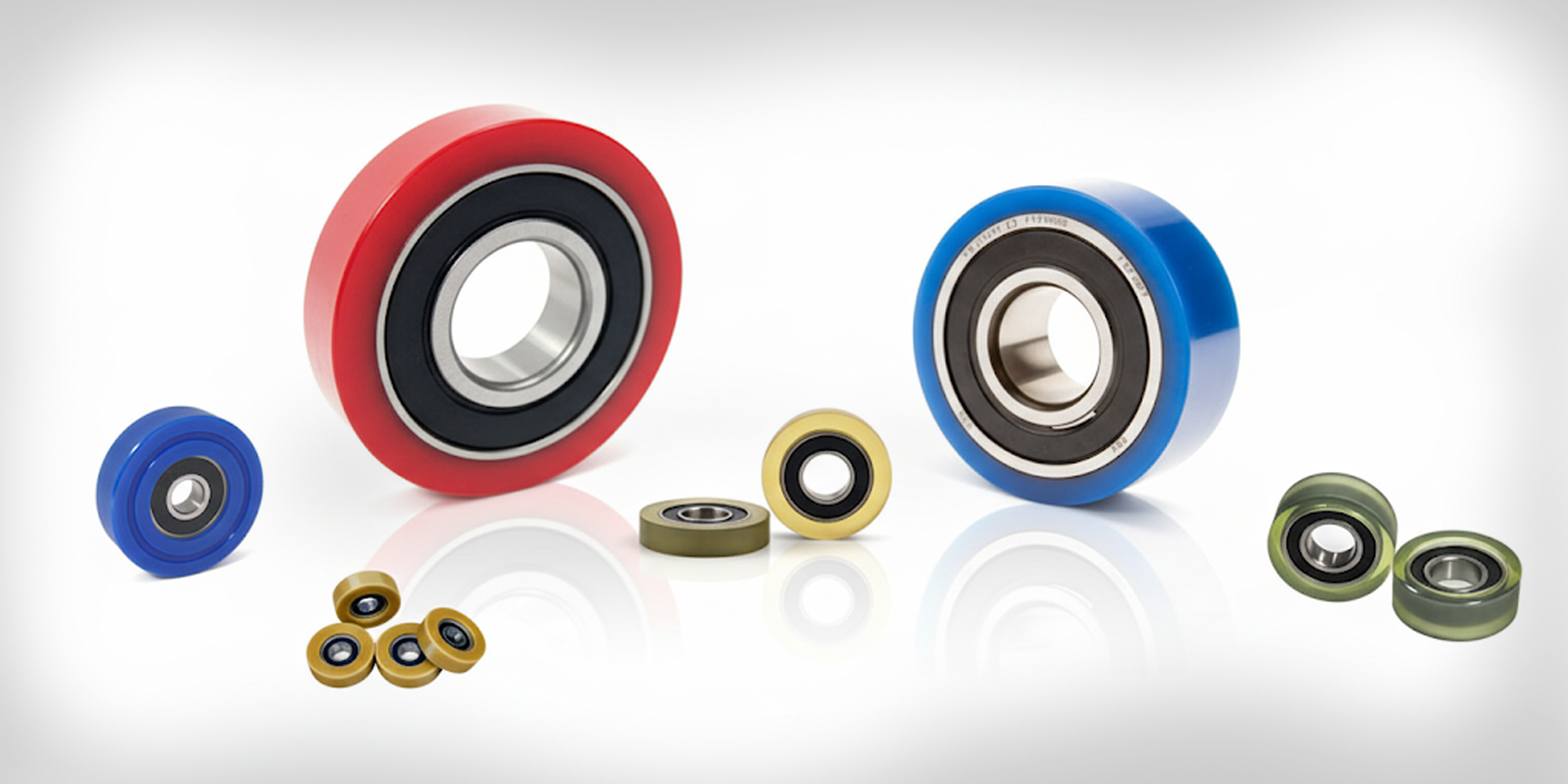
Polyurethane Rollers with Bearings


What are Polyurethane Rollers with Bearings?

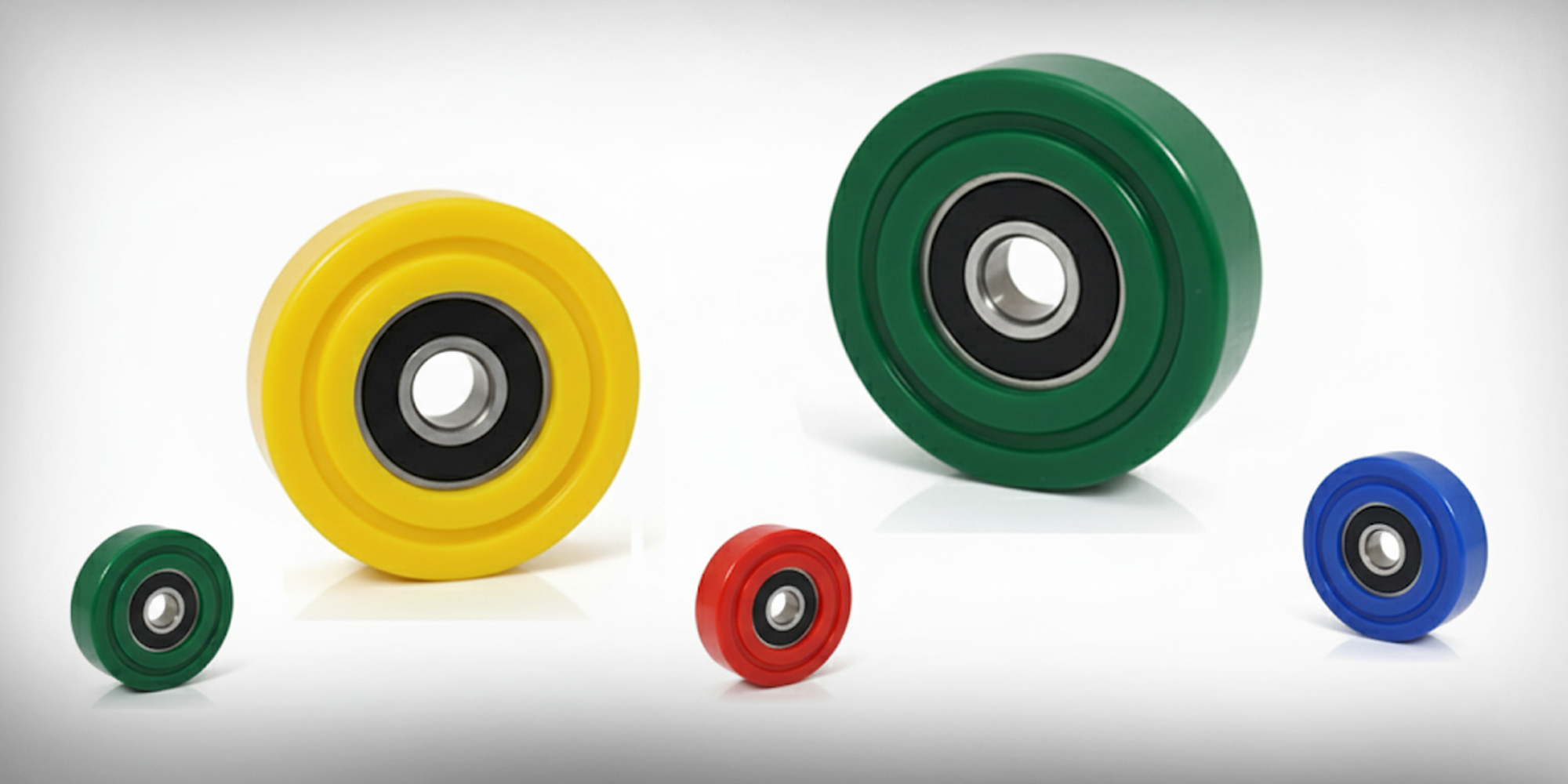
A polyurethane (PU) roller with bearings is a high-performance mechanical component consisting of three primary elements:

  • The Polyurethane Tread: A synthetic polymer layer that provides traction, cushioning, and wear resistance.
  • The Core/Hub: Usually made of aluminum, carbon steel, or stainless steel, acting as the structural foundation.
  • The Integrated Bearing: A precision ball or needle bearing is pressed or molded into the center. This allows for low-friction rotation.

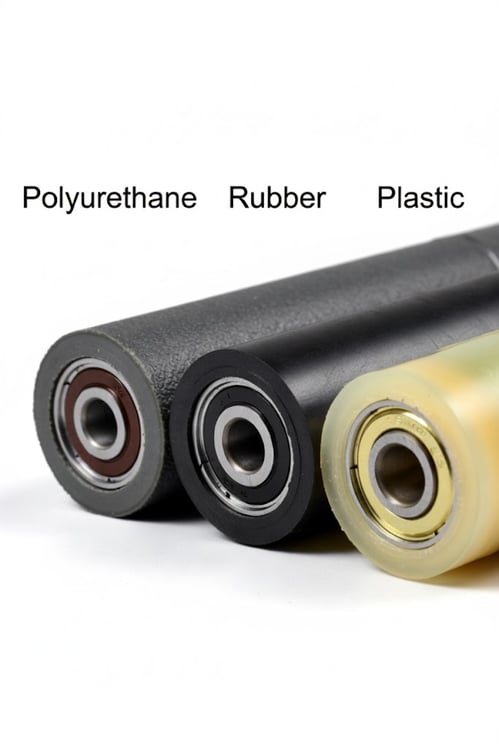
Unlike standard rubber wheels or hard plastic rollers, PU rollers offer a balanced solution. They combine the load-bearing capacity of metal with the elasticity of rubber.


下载 (4)


Key Benefits: Why Polyurethane Wins Over Rubber and Plastic


High Load-Bearing Capacity

Polyurethane can withstand significantly higher loads than traditional rubber. While rubber might deform or "flat-spot" under a heavy static load, PU maintains its structural integrity.

This makes it ideal for heavy-duty industrial carts and heavy-load conveyors.


Exceptional Abrasion Resistance

PU is famous for its "toughness." In environments where rollers constantly scrape against rails or belts, polyurethane performs significantly better.

It outlasts rubber by a factor of four to one. This longevity reduces the Frequency of Replacement (FOR), directly impacting your bottom line.


Noise Reduction and Vibration Dampening

In modern "quiet warehouses," noise pollution is a safety concern. Polyurethane rollers act as shock absorbers, dampening the metallic "clatter" of machinery.

The elastic nature of the material absorbs surface irregularities, leading to smoother, quieter operations.


Chemical and Oil Resistance

Industrial floors are rarely clean. They are often covered in oils, greases, or cleaning chemicals. Unlike rubber, which can swell or degrade when exposed to petroleum-based products, polyurethane remains stable.


unnamed-4


The Anatomy of the Bearing: The Heart of the Roller

The “with bearings” feature elevates a polyurethane roller beyond a simple rotating wheel. It turns it into a precision motion component.

The bearing directly controls rotational accuracy, load capacity, operating speed, and service life. It is the most critical element of the roller assembly.


Shielded vs. Sealed Bearings

Most polyurethane rollers are equipped with either ZZ (metal shielded) or 2RS (rubber sealed) bearings. Shielded bearings reduce friction and are suitable for clean, dry environments where low resistance is a priority.


Sealed bearings provide superior protection against dust, moisture, and washdown fluids. They prevent contaminants from entering the bearing raceway.

This helps avoid seizure or premature wear. For harsh or hygienic environments, sealed bearings are typically the preferred choice.


Precision Grades

Bearing precision becomes increasingly important as operating speed rises. High-speed or high-accuracy systems commonly specify ABEC-3 or ABEC-5 bearings.


These higher precision grades ensure tighter dimensional tolerances. They provide smoother rotation and reduced vibration. They also generate less heat, all contributing to stable and reliable roller performance over long duty cycles.


Stainless Steel Bearing Options

In food processing, pharmaceutical, and medical equipment, stainless steel bearings are widely used.

Their corrosion resistance prevents rust during frequent cleaning and exposure to water, chemicals, or disinfectants.

This not only extends bearing life but also supports hygiene and regulatory compliance in sensitive applications.


In summary, bearing selection defines the functional capability of a polyurethane roller.

Choosing the correct bearing type, sealing method, precision grade, and material ensures optimal performance, durability, and reliability for the intended application.


Understanding Durometer: Finding the Right Hardness

One of the most important technical specs for PU rollers is Durometer. Polyurethane hardness is measured on the Shore scale.

Shore Hardness

Characteristic

Common Application

60A - 70A

Soft, high grip

Paper handling, delicate glass transport

80A - 90A

Standard, balanced

General conveyor rollers, drive wheels

95A - 98A

Hard, high load

Heavy pallet handling, elevator guides

70D

Extremely hard (Plastic-like)

Heavy-duty casters, high-impact industrial use


Choosing a durometer that is too soft will result in high rolling resistance. Choosing one that is too hard may cause the roller to slip or damage the track.


Industrial Applications of PU Rollers with Bearings

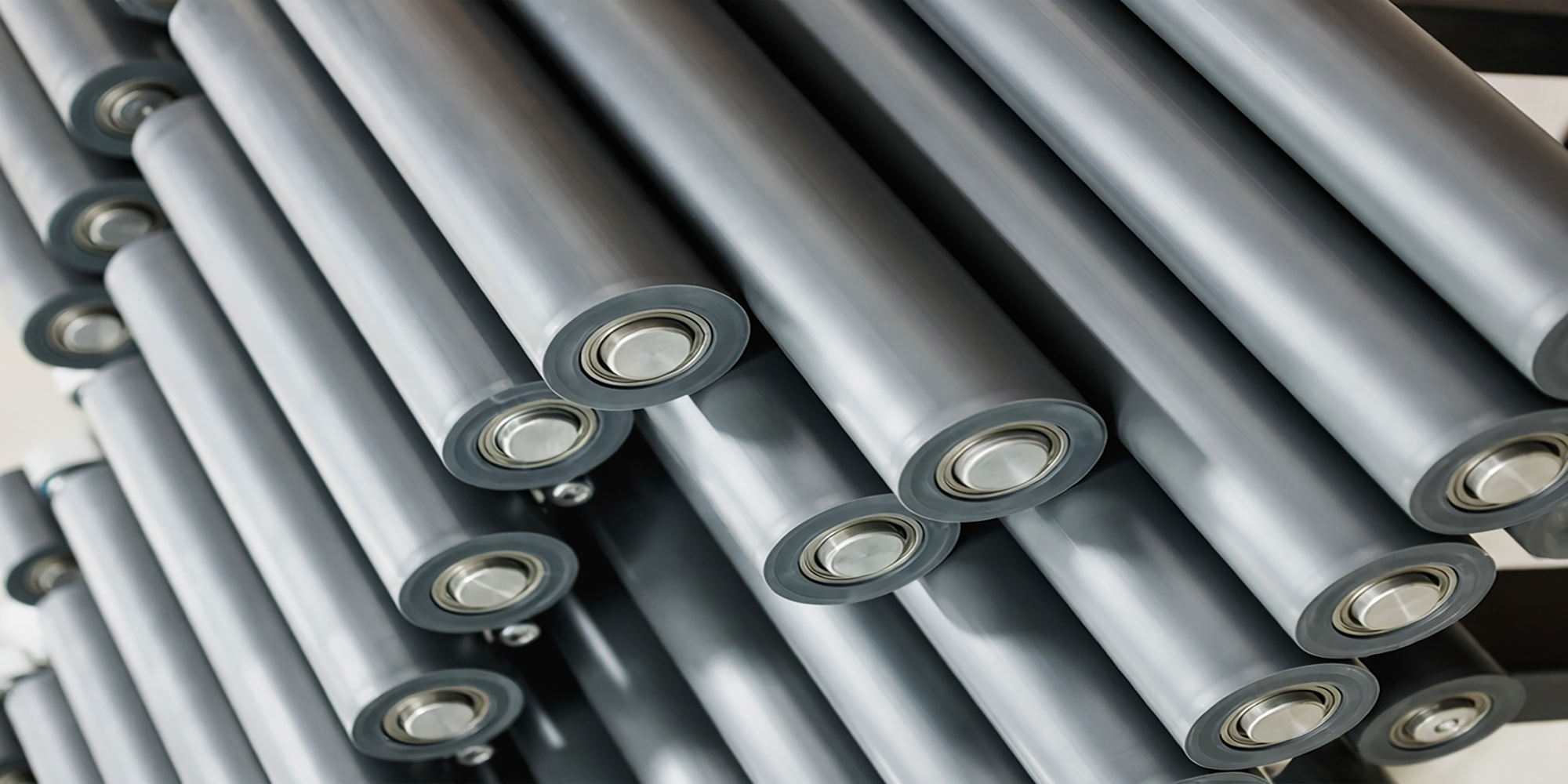
  • Logistics and E-commerce Fulfillment: With the rise of giants like Amazon, the demand for high-speed "sorter rollers" has skyrocketed. PU rollers provide the necessary grip to accelerate packages quickly without leaving "scuff marks" on the boxes.
  • Elevators and Escalators: Polyurethane guide rollers with precision bearings ensure elevator cabs travel smoothly up and down the rails. They provide a "floating" sensation for passengers.
  • Manufacturing and Assembly Lines: In automotive assembly, rollers must support heavy chassis. They also need to resist sparks from welding and splashes from coolant.
  • Printing and Packaging: Rollers in printing presses must be perfectly concentric. The integration of high-precision bearings ensures that the PU surface remains stable, preventing ink smearing or paper misalignment.


下载 (7)


Manufacturing Process: How They Are Made

  • Core Preparation: The metal hub is sandblasted and cleaned with chemicals to ensure a pristine surface.
  • Adhesive Application: A specialized bonding agent is applied to the metal. This is the most "failed" step in cheap rollers—without a strong bond, the PU will "de-bond" or slide off the hub.
  • Casting: The hub is placed in a mold, and liquid polyurethane is poured in.
  • Curing: The rollers are baked in an oven to finalize the chemical cross-linking of the polymer.
  • Machining: After curing, the rollers are often turned on a lathe. This ensures a perfect diameter and a smooth finish.
  • Bearing Pressing: Finally, the bearings are precision-pressed into the center.


unnamed (1)-Dec-26-2025-05-36-06-0811-AM


Maintenance and Troubleshooting

Even the best rollers require care. To maximize the lifespan of your polyurethane rollers with bearings, follow these steps:

  • Check for Flat Spots: If a machine sits idle for months under load, check for flat spots.
  • Listen for Bearing Noise: A "grinding" sound indicates the bearing has failed or lost lubrication.
  • Inspect the Bond: Look for gaps between the PU and the metal core. If you see daylight between them, replace the roller immediately.


Polyurethane Rollers Market Size and Projections

The polyurethane rollers market was valued at approximately USD 1.5 billion in 2024. It is expected to reach around USD 2.5 billion by 2033. The market is projected to expand at a compound annual growth rate of 7.5% between 2026 and 2033.


Market growth is being fueled by the rapid adoption of industrial automation. There is also a growing need for long-lasting, non-marking roller solutions. These needs span industries such as packaging, printing, and food processing.


One of the key factors driving demand is the increasing focus on contamination-free manufacturing, reinforced by industry regulations and corporate sustainability programs.

These initiatives encourage the use of abrasion-resistant, non-marking rollers to protect product quality and improve operational efficiency.


As a result, high-performance and environmentally robust polyurethane rollers are playing an increasingly important role in reshaping global manufacturing operations and supply chains.


On a global scale, the polyurethane rollers market continues to grow at a stable pace. The growth is led by the Asia-Pacific region.

This region benefits from rapid industrialization, large-scale manufacturing, and strong government initiatives. These initiatives support modernization in industries such as automotive, electronics, and packaging.


The key force driving market growth is the rising demand for high-performance, long-lasting rollers.

These rollers must operate in demanding environments without compromising product quality.

New opportunities are being created by technological advancements, including improved curing methods and injection molding technologies, which boost roller performance while lowering manufacturing costs.


However, the market faces challenges related to fluctuations in raw material prices and the need to comply with varying regulatory frameworks across different countries.

In addition, close integration with related sectors, such as polyurethane elastomers and industrial conveyor systems, strengthens the market.

It enhances manufacturing productivity and promotes sustainable industrial practices.


Polyurethane Rollers Market Drivers


Rising Industrial Automation Across Multiple Industries

The polyurethane rollers market is being significantly driven by the accelerating adoption of industrial automation in sectors such as manufacturing, packaging, and automotive.

Known for their high durability, excellent wear resistance, and strong load-bearing capacity, polyurethane rollers are essential components.

They play a critical role in conveyor systems, printing equipment, and material handling machinery.

As production lines become more automated and efficiency-focused, demand is increasing for high-performance rollers.

These rollers help reduce downtime and lower maintenance requirements. This trend aligns with broader growth in the industrial automation sector, where component reliability and service life are paramount.


Expansion of the E-commerce and Logistics Sectors

The rapid global growth of e-commerce and logistics operations has increased demand for advanced material handling solutions. It has also driven the need for improved packaging solutions.

Their long service life and low rolling resistance enable smoother package flow and improved operational efficiency.

Continued investment in warehousing and fulfillment facilities worldwide further strengthens this driver, supporting the logistics equipment market’s emphasis on durability and dependable performance.


Advanced Material Performance and Customization Flexibility

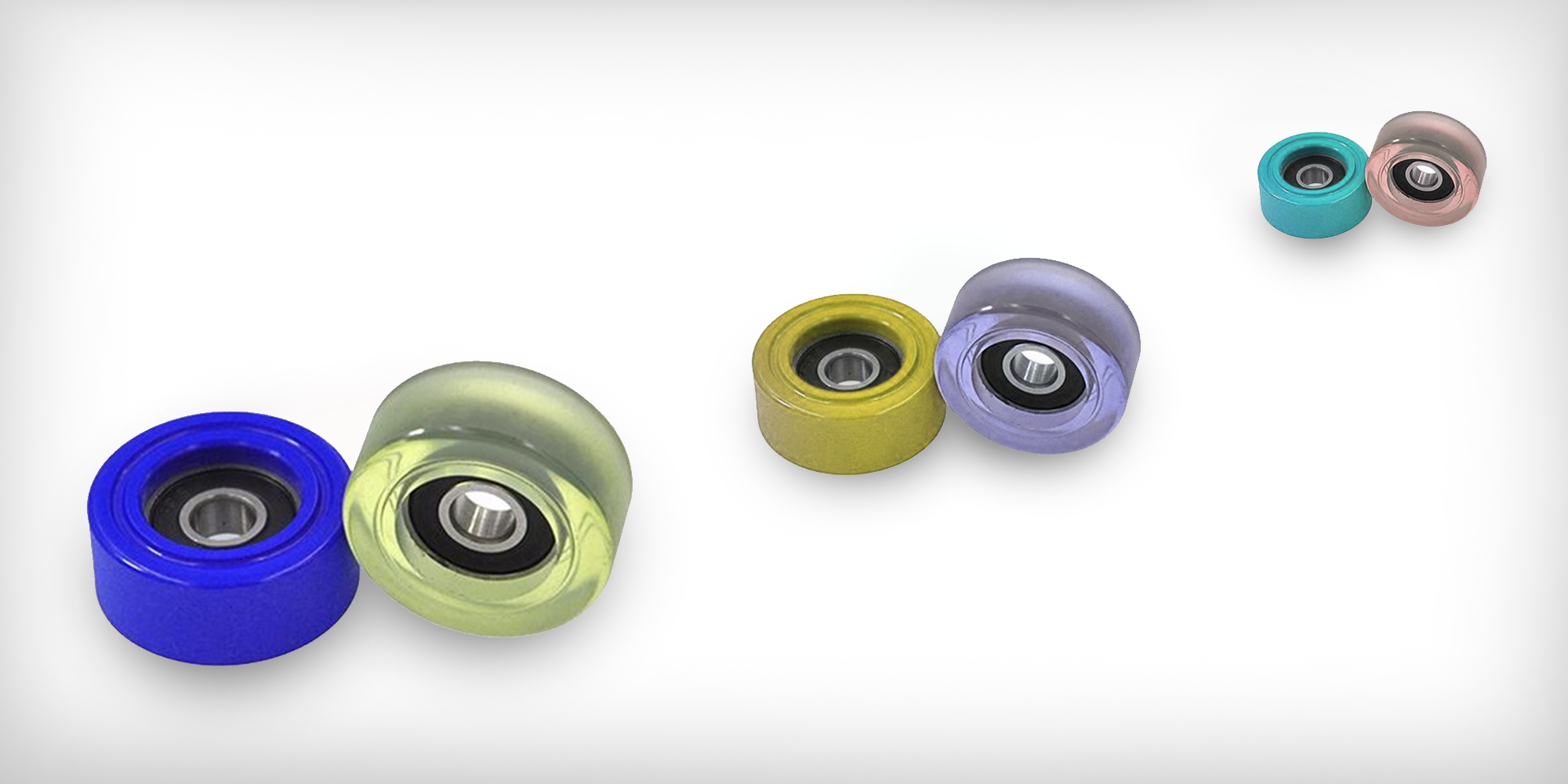
Polyurethane provides outstanding material characteristics, including superior abrasion resistance, chemical stability, and adjustable hardness, enabling the development of application-specific roller solutions.

Manufacturers can tailor rollers to meet precise operational requirements related to load capacity, surface finish, and temperature resistance.

These capabilities make polyurethane rollers well suited for demanding environments.

Examples include metal processing, food packaging, and textile production. They drive sustained demand for customized, high-quality roller solutions.


Industrialization-Fueled Growth in Emerging Economies

Accelerated industrial development in emerging regions, especially Asia-Pacific and Latin America, is a key contributor to rising demand for polyurethane rollers.

Expanding manufacturing activity in automotive, electronics, and packaging industries is increasing the need for durable, high-performance machinery components.

At the same time, investments in infrastructure modernization and automation initiatives support market growth. They promote the adoption of advanced polyurethane rollers, which help improve productivity and operational efficiency.


Polyurethane Rollers Market Challenges


Raw Material Price Volatility and Supply Chain Challenges

Polyurethane rollers rely heavily on petroleum-derived raw materials, making production costs and pricing strategies vulnerable to fluctuations in oil prices.

Geopolitical tensions and trade restrictions can further disrupt supply chains, limiting manufacturers’ ability to maintain consistent production and competitive pricing.

Such instability poses a significant barrier to steady market growth, particularly affecting smaller producers with narrower margins and limited operational flexibility.


High Upfront Costs and Maintenance Requirements

Despite their durability and long service life, polyurethane rollers have a higher initial cost compared with alternative materials. This may discourage adoption in cost-sensitive operations.

Additionally, proper maintenance demands specialized expertise to preserve surface quality and structural integrity, creating operational complexities.

Manufacturers must carefully balance long-term savings against initial expenditure, which can limit market expansion in budget-conscious sectors.


Competition from Alternative Materials and Technologies

The market faces rising competition from substitute materials such as rubber, silicone, and metal alloys. These alternatives may offer cost advantages or better performance in certain applications.

Advances in composite materials and surface coatings also present alternatives that could replace traditional polyurethane rollers in niche uses. Sustaining market demand requires ongoing innovation and adaptation to this competitive environment.


Environmental and Sustainability Pressures

Increasing scrutiny over synthetic polymers, including polyurethane, is pushing manufacturers to adopt greener production methods and recyclable materials.

Compliance with environmental regulations related to emissions and waste management can increase operational costs and complicate manufacturing.

These regulatory and sustainability challenges may slow adoption or drive interest in bio-based and biodegradable roller alternatives.


Recent Developments In Polyurethane Rollers Market

Recent developments in the polyurethane rollers market indicate strong growth, driven by increasing adoption across various industries including woodworking machinery, printing, and packaging.

In early 2025, ESCO Plastics introduced a new series of high-precision polyurethane rollers specifically designed to enhance performance and durability in woodworking equipment.

These rollers incorporate advanced polyurethane formulations that boost abrasion resistance and extend operational lifespan, addressing industry demands for efficiency and longevity.

Similarly, companies like Precision Urethane & Machine, Inc. have invested heavily in state-of-the-art manufacturing technologies. This expands production capacity and improves product quality, highlighting the sector’s focus on technological advancement and customization.


The market has also experienced strategic investments and selective mergers and acquisitions aimed at broadening product portfolios and extending geographic reach.

Leading players are consolidating smaller regional manufacturers to meet rising demand. Key regions such as Asia-Pacific and North America dominate market share because of extensive industrial and manufacturing activity.

In Asia-Pacific, countries like China, India, and Japan have seen increasing investments to localize production.

These efforts aim to optimize roller performance for a wide range of industrial applications in rapidly industrializing economies. This regional focus is reinforced by growing R&D expenditure on eco-friendly polyurethane rollers.

These rollers comply with stricter environmental regulations and meet evolving customer expectations for sustainable manufacturing solutions.


Sustainability and technological innovation are central trends shaping the market.

Manufacturers are developing environmentally conscious polyurethane formulations that minimize ecological impact while maintaining high mechanical performance, including load-bearing strength and wear resistance.

The adoption of automation and Industry 4.0 technologies is driving demand for rollers. These rollers support precision machinery while minimizing downtime.

Additionally, customization is becoming increasingly important, with more companies offering rollers tailored to specific operational requirements, improving efficiency and reducing maintenance costs.

Together, sustainability, advanced technology, and customer-focused innovation are defining the competitive dynamics of the global polyurethane rollers market.


Conclusion

Investing in high-quality polyurethane rollers with bearings is an investment in your machine’s uptime.

By understanding the relationship between durometer, bearing type, and core material, you can optimize your system. This ensures maximum speed, quiet operation, and strength.

Are you looking for custom-sized polyurethane rollers or a specific durometer for your next project? Would you like help drafting a technical specification sheet? I can also compare specific bearing types for your application.

Click to learn lily bearing product catalog and technical guide.

What is the Difference between Uncoated and Coated Bearings?

What is the Difference between Uncoated and Coated Bearings?

Choosing the right bearing is crucial for machine performance and durability. This blog delves into the differences between uncoated and coated...
Read More
What Are the Benefits of Coated Bearings?

What Are the Benefits of Coated Bearings?

Coated bearings are standard bearings. They have a layer of special material on them that makes their surface better. This treatment helps them work...

Read More
8 Common Uses for Polyurethane Coated Bearings

8 Common Uses for Polyurethane Coated Bearings

Polyurethane coated bearings, a type of polyurethane roller, exemplify modern engineering at its finest. They stand out for exceptional durability,...

Read More